Song Meaning
The lyrics paint a picture of a desire for escape and transformation, juxtaposed with the inescapable nature of certain desires or circumstances. The opening lines express a longing for a "brand new machine" that can turn "plastic to dreams," suggesting a wish for artificial creation or a shortcut to fulfillment. This is immediately followed by the stark warning, "If you ride upon the tiger you can never get off," a potent image for dangerous pursuits or addictions that become impossible to abandon. The narrator seems to be observing someone, perhaps the "she" who "cries," caught in a cycle of unattainable desires.
The central tension arises from the contrast between the allure of escape and the harsh reality of being trapped. The narrator offers a way out: "Come on come on get up I want to take you / Away from all of this." This plea is an attempt to liberate someone from their burdens, urging them to "get it off your back, let it fly away." However, the recurring image of "she cries" and the observation that "they get hungry" implies that the forces holding people captive are persistent and powerful, making true escape a difficult, if not impossible, feat. The lyrics suggest that the "beautiful and damned ones never realize" the true cost of their pursuits.
The craft here is particularly effective in its use of stark, almost aphoristic statements and contrasting imagery. The idea of converting "plastic to dreams" is a fascinating, slightly unsettling metaphor for manufactured aspirations. The "tiger" metaphor is a classic but powerfully applied image of being irrevocably bound to something dangerous. Later, the "poetry of motion" and "counting out the beats" contrasts with the "ignorance of greed" and the "retreat" of those being pursued. The repeated phrase "Still she cries" acts as a mournful refrain, anchoring the abstract desires and warnings to a specific, ongoing emotional pain.
Ultimately, these lyrics resonate because they capture a universal feeling of being caught between a desire for something better and the crushing weight of reality or self-imposed limitations. The writing doesn't offer easy answers but instead presents a poignant observation of struggle, using sharp, memorable images to convey a sense of entrapment and the elusive nature of true freedom. The effectiveness lies in its ability to evoke a mood of melancholic yearning and a quiet understanding of human vulnerability in the face of powerful, often self-destructive, impulses.
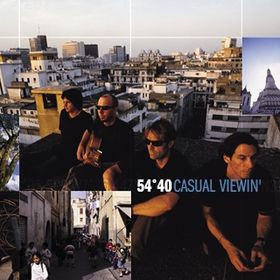
 View Artist