Song Meaning
The narrator grapples with a profound sense of disorientation and a questioning of their own actions, particularly when those actions are framed within the context of love. There's a palpable uncertainty about direction, symbolized by the repeated question, "Where to go?" This isn't just about physical movement; it's a deeper existential drift, a search for validation or understanding in a relationship or situation that feels increasingly hollow.
The central tension lies in the narrator's justification of their behavior as being "in the name of love," even when acknowledging the possibility of their actions being perceived as wrong. This creates a stark contrast between intent and outcome, suggesting a potential disconnect between the narrator's self-perception and how their actions are received or experienced by others. The repeated plea, "Why don't you watch what you say / When you see what is done?" highlights a defensive posture, an attempt to deflect criticism by pointing to the perceived flaws or actions of the other party.
The most striking element is the cyclical nature of the lyrics, mirroring the narrator's own trapped feeling. The repetition of the core stanza about believing in what they're doing, coupled with the insistent question of "Is it me or you?", underscores a lack of resolution. The final, devastating line, "When you see how all the love is gone?" transforms the earlier defensiveness into a mournful observation, suggesting that despite the narrator's claims, the evidence of love's absence is undeniable and perhaps even a consequence of the very actions being defended.
This lyrical structure effectively conveys a sense of emotional stasis and a desperate, perhaps futile, attempt to reconcile internal conviction with external reality. The ambiguity of "what is done" and the ultimate fading of love leave the listener with a lingering feeling of unresolved conflict and the painful realization that good intentions, when unheeded or misapplied, can lead to profound loss.
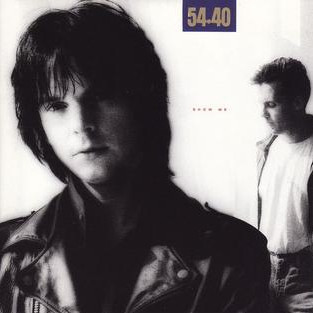
 View Artist