Song Meaning
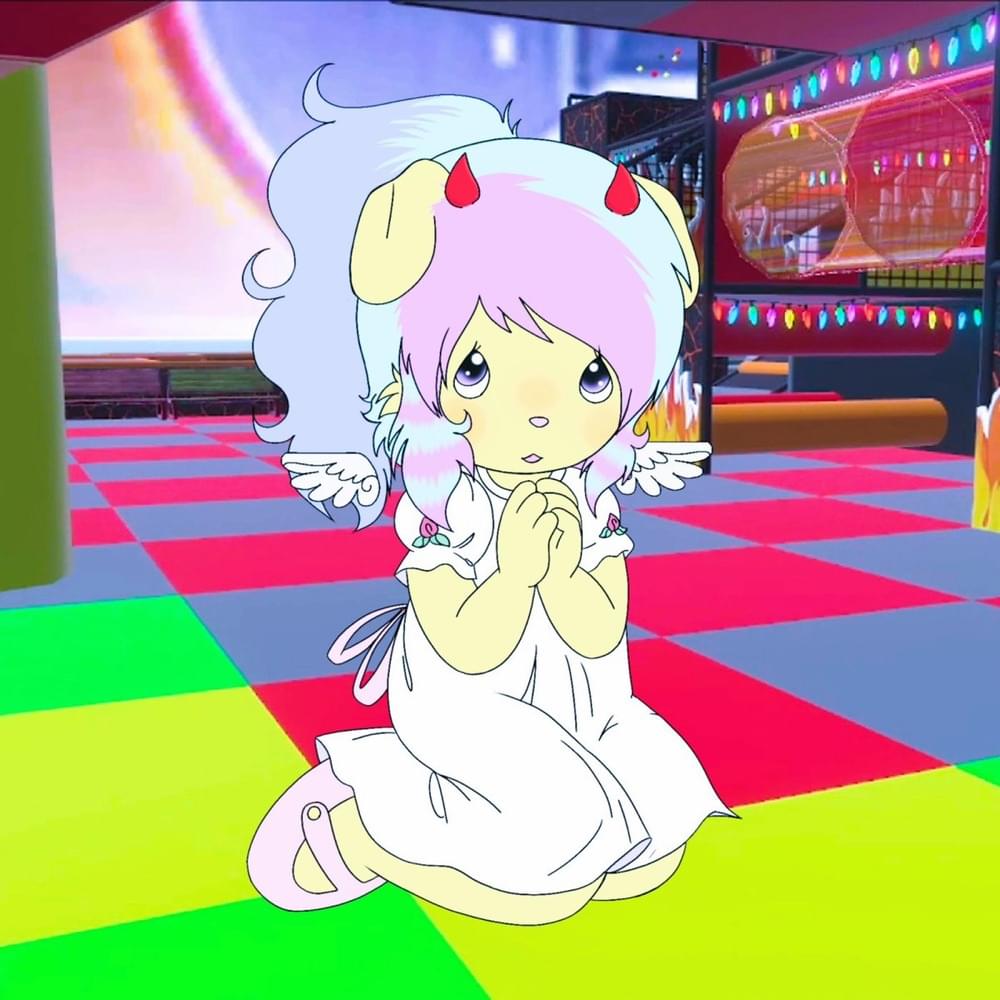
The lyrics present a striking contrast between a seemingly childlike fascination with fantasy and a deep undercurrent of resignation. The repeated plea for "new wings and horns" on "whoever" suggests a desire for transformation or perhaps a critique of manufactured perfection, yet the narrator immediately dismisses the importance of this with a fervent "I don't care." This apathy is amplified by the introduction of "another purpleish princess pony," which, despite the narrator's stated love for it, feels like a symbol of overwhelming, perhaps hollow, abundance.
The central tension arises from the narrator's declaration of not being special, a realization that seems to have been learned "long ago." This self-assessment is directed towards a figure called "Sunshine," who is thanked for their help but also questioned about their relation to the narrator. The plea "I need you now" following this existential doubt reveals a desperate reliance on this "Sunshine," even as the narrator feels fundamentally unremarkable.
The most compelling aspect of the writing is the juxtaposition of whimsical imagery with profound emotional detachment. The "purpleish princess pony" and the desire for "wings and horns" are classic elements of childhood fantasy, but they are deployed here not with joy, but with a weary indifference. The sheer repetition of "I don't care" transforms it from a simple statement into a mantra of emotional exhaustion, underscoring a feeling of being overwhelmed by the very things that are supposed to bring delight.
Ultimately, these lyrics resonate because they capture a specific kind of modern ennui. The narrator seems to be drowning in a world of superficial fantasy and manufactured identity, feeling utterly unspecial amidst it all. The writing effectively uses the language of childlike wonder to articulate a grown-up sense of disillusionment, making the repeated "I don't care" feel less like defiance and more like a quiet surrender.
 View Artist