Song Meaning
The lyrics paint a stark picture of two individuals facing an insurmountable crisis, likely a fatal one. The narrator is deeply wounded, declaring, "It's probably a life up to here." He feels unable to move forward alone, yet also unable to abandon his companion, pleading, "Don't leave me behind!" This creates an immediate, visceral tension between self-preservation and loyalty.
The core conflict emerges as the narrator grapples with a terrible choice: to save himself and leave his friend to die, or to stay and face certain death together. He acknowledges the grim reality: "If we don't make a decision / We both die." The desire to avoid regret, "I don't want to live / Regretting it," clashes with the instinct for survival and the immense weight of shared experience, "all the time we loved."
A striking element is the self-identification as "beautiful warriors / proud men." This elevates their desperate situation into a noble struggle, a "beautiful fight." The narrator insists, "What's important is how you die," framing their final moments as a testament to their character. This contrasts sharply with the raw, primal emotions that surface later, like anger and sorrow, suggesting a complex internal battle between stoicism and despair.
The effectiveness lies in this juxtaposition of idealized self-image and brutal reality. The repeated assertion of being "warriors" and "brave" is a coping mechanism, a way to imbue their impending doom with meaning. Yet, the raw questions, "Who is to blame for this sadness?" and the plea for the "last bullet" reveal the profound pain and fear beneath the warrior facade, making their plight deeply human and tragic.
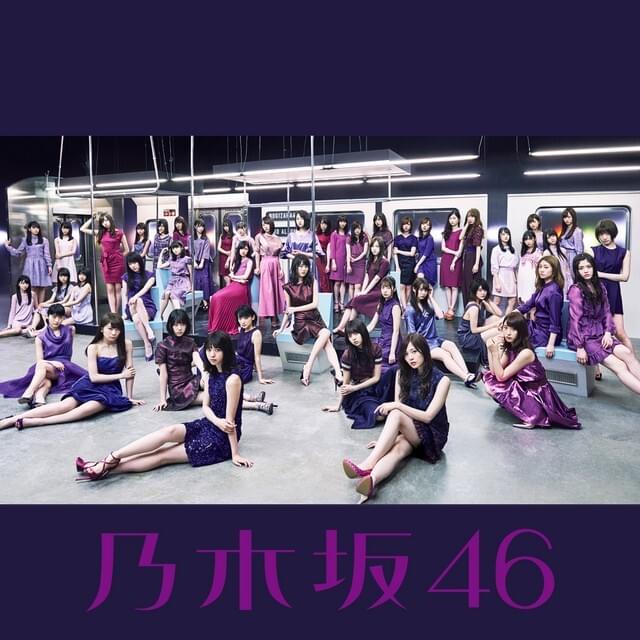
 View Artist