Song Meaning
The lyrics present a dramatic personal transformation framed by the symbolic "Independence Day." The narrator advocates for shedding material possessions and embracing life, suggesting a profound shift in perspective gained through a significant experience. This "trip" has apparently led to a revelation, promising future clarity and vision, marking a definitive break from a past state of being.
The core tension lies in the narrator's declaration of having "seen the other side" and subsequently experiencing a period of "insanity." This implies a journey through a profound, perhaps traumatic, event that has irrevocably altered their perception. The repeated assertion, "I will never be the same," underscores the irreversible nature of this awakening, positioning "Independence Day" as a personal liberation from a former self.
A striking contrast emerges between the initial call for simplicity and the later depiction of "greedy and violent rage" and "assailants." The natural elements—mountain, vine, wind—are presented as bringing space, time, and change, offering a serene counterpoint to the ensuing conflict. This juxtaposition highlights the internal struggle and the external chaos that the narrator seems to have navigated or witnessed, leading to a sense of "peace is dead."
The lyrics effectively convey a sense of profound, disorienting change. The fragmented narrative, particularly the abrupt shifts in imagery from natural elements to violent conflict and then to the "captivity of consciousness," mirrors the disarray of a mind undergoing radical upheaval. The final submission to consciousness, followed by the declaration "It was independence day," suggests that this painful realization, this "captivity," is itself the very act of liberation the day represents.
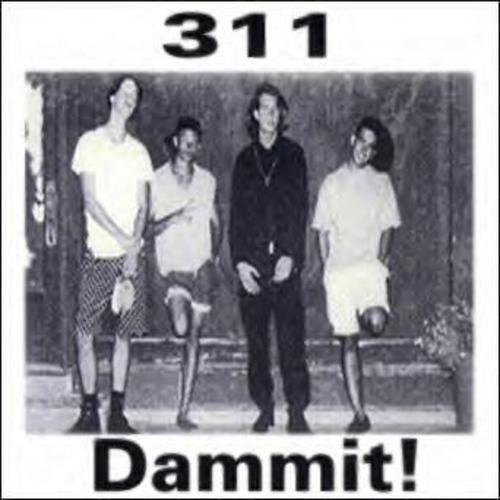
 View Artist