Song Meaning
The lyrics paint a picture of a specific, almost surreal moment in time: a morning at 4:30 AM in a room where conversation is minimal, yet connection is palpable. Outside, the streets are alive with people passing by, creating a contrast between the intimate stillness within and the bustling world without. The recurring phrase "Frühling 2007" anchors this scene in a particular era, suggesting a moment of potential or transition. The core idea emerges: "Wir können alle ander'n sein" – the possibility of being different, of shedding old identities.
The central tension lies in the assertion of collective identity versus the external world and the dissolution of the individual self. The repeated refrain, "Wir sind die anderen / Die anderen das sind wir," is a powerful declaration. It reclaims the label of "others," often used to denote outsiders or the unfamiliar, and reframes it as a shared, inherent state of being. This isn't about being separate from the world, but about recognizing a collective "otherness" within the larger human experience.
The most striking craft element is the deliberate shift from "ich" (I) to "wir" (we). The line "Wir sagen nicht mehr ich / Denn ich, ist gar nicht wahr" is a profound statement on the constructed nature of the individual ego. By discarding the singular "I" in favor of the collective "we," the lyrics suggest a transcendence of personal identity, finding truth and clarity in shared existence. This move solidifies the group's identity as "the others" – a unified entity defined by its collective consciousness rather than individual attributes.
This lyrical construction is effective because it taps into a deep-seated human desire for belonging while simultaneously celebrating individuality through its negation. The ambiguity of "the others" allows listeners to project their own experiences of feeling like an outsider or part of a distinct group onto the lyrics. The stark, declarative statements, especially the rejection of the "I," create a sense of liberation and solidarity, making the collective "we" feel both powerful and deeply resonant.
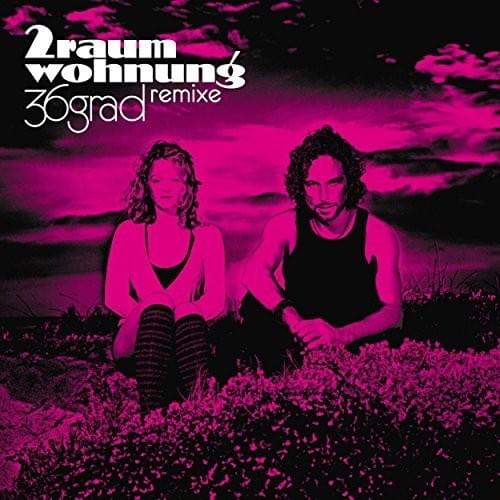
 View Artist