Song Meaning
The lyrics establish a powerful, almost sentient "Body" as the ultimate authority, a concept repeated insistently from the intro. This "Body" dictates actions, overriding external influence, as seen when it commands, "Leg dich hin beim Sprechen" (Lie down while speaking). It's a declaration of self-sovereignty, where the physical self is the sole arbiter of one's choices and existence.
The central tension arises from the body's absolute command versus the narrator's engagement with another person, referred to with endearments like "Super-Checker, Bunny, Baby." The body's directives, like the self-harming "ritzt dich bei mir ein" (scratch yourself into me), suggest a complex, perhaps destructive, relationship dynamic. This internal conflict is amplified by the refrain, which equates the body's "boss" status to every state of being, from living to dying, implying an inescapable, all-encompassing control.
The most striking craft element is the personification of the body itself as an independent entity with agency. The lyrics suggest this body is not merely a vessel but a commanding presence that dictates intimate actions and even influences perception, as when the narrator desires to "Ich will dich von oben sehen" (I want to see you from above). The contrast between the body's raw power and the narrator's desire for connection, even in a state of vulnerability indicated by "Mein Panzer hat schon einen Riss" (My armor already has a crack), creates a compelling emotional landscape.
This writing is effective because it taps into a primal sense of self-ownership while simultaneously hinting at the potential for that self-ownership to become oppressive or isolating. The relentless repetition of "Body is Boss" hammers home the theme, making the listener feel the weight of this internal decree. The lyrics create a visceral experience of being governed by one's own physical being, a concept that resonates with the struggle for control in a chaotic world.
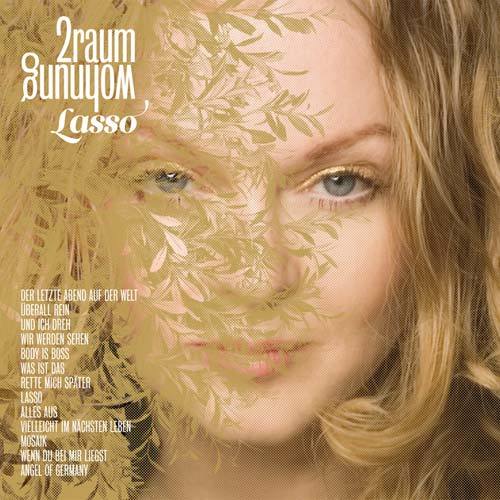
 View Artist