Song Meaning
The lyrics paint a picture of a relationship strained by unspoken feelings and a narrator's own pride. The opening lines immediately establish a sense of frustration, with the narrator asking why their partner is upset and urging them to stop being moody. There's an acknowledgment of the partner's loneliness, which the narrator claims to understand, followed by a quick apology and a defensive stance about not making excuses. This sets up a dynamic where the narrator recognizes a problem but struggles to address it directly, caught between wanting to apologize and maintaining a certain image.
The core tension lies in the narrator's internal conflict between their desire to express love and their inability to overcome their own pride and insecurities. The repeated phrase "URAHARA" suggests a state of being contrary or acting in opposition to one's true feelings, implying the narrator is constantly at odds with themselves and their partner. They admit to being the one at fault, acknowledging that their actions are "all URAHARA," yet they also claim their love is different, wanting to offer "all my love" and confessing "you're the only one I need."
The writing cleverly uses the metaphor of "whipped cream" to describe the sweet words they wish they could offer, highlighting their desire for romantic gestures that feel out of reach due to their own "clumsiness" and "foolishness." The narrator feels "sick and tired" of their own rational mind getting in the way, unable to break free from a self-imposed barrier. This internal struggle is further emphasized by the recurring plea, "If I could just say sorry," underscoring the difficulty they face in articulating their remorse and affection.
Ultimately, the effectiveness of these lyrics stems from their raw portrayal of emotional paralysis. The narrator's repeated apologies, though often qualified or followed by justifications, reveal a deep-seated regret and a yearning for connection. The contrast between their desire to be perfect and their admission of "pathetic" behavior makes their plea for forgiveness feel genuine, capturing the painful experience of wanting to express love but being held back by one's own flaws.
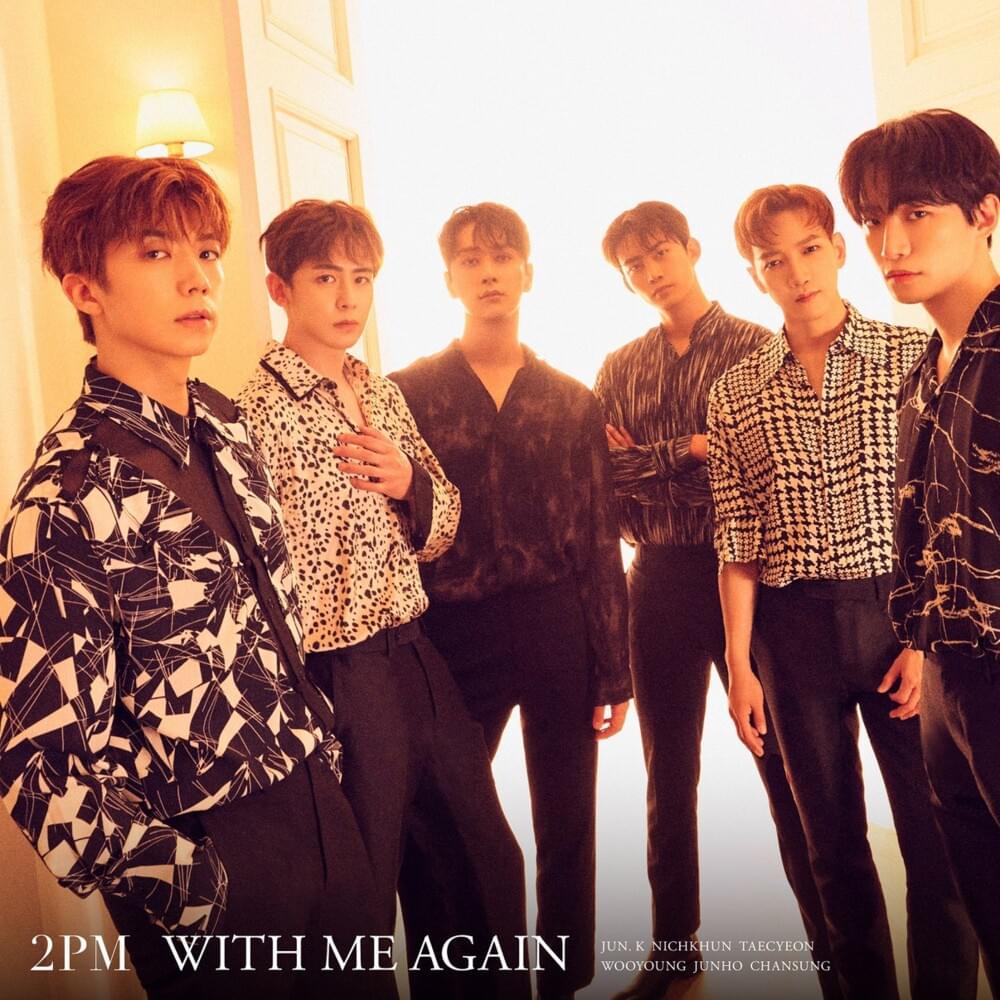
 View Artist