Song Meaning
The narrator is grappling with an unexpected and almost unwelcome surge of romantic feeling. The repeated phrase "Can't believe it" underscores a sense of disbelief, as if this emotional state is fundamentally at odds with their self-perception. This isn't a gentle unfolding; it's a sudden realization that throws their established identity into question, marked by the stark declaration, "I'm not the type."
The central tension arises from this internal conflict between the undeniable emotion and the narrator's perceived inability to experience it. Phrases like "My heart's too cold" and "I've been over sold" suggest a history of emotional guardedness or perhaps past disappointments that have made them cynical. They question the nature of the love they're feeling, asking "Where's the love I need today" and "What's the price I need to pay," indicating a struggle to reconcile this new feeling with their expectations or past experiences.
The lyrics pivot dramatically in the final stanza, shifting from personal romantic love to a profound spiritual declaration. The act of "giv[ing] my life away" is recontextualized from a potential romantic sacrifice to an acknowledgment of divine sacrifice. The specific imagery of dying "upon the tree" and rising again clearly references Christian theology, reframing the narrator's initial disbelief not as a rejection of love, but as a profound, almost blasphemous, misunderstanding of the ultimate act of love they are now recognizing.
This transition from personal romantic disbelief to spiritual awe is what makes the lyrics so compelling. The initial resistance to falling in love, rooted in a self-professed coldness, makes the eventual recognition of divine love all the more powerful. It suggests that the narrator's struggle wasn't with love itself, but with their own limited capacity to comprehend its deepest form, a capacity that is ultimately expanded through a profound act of faith.
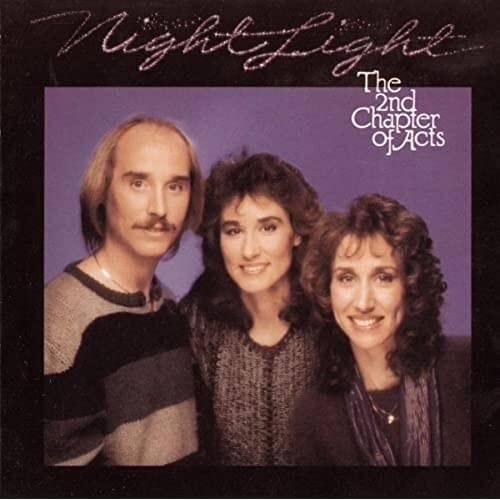
 View Artist