Song Meaning
The lyrics paint a picture of someone caught in a cycle of seeking something undefined, constantly pulled between a distant promise and an immediate, chaotic reality. The opening lines, "Chillo 'a luntano dice sì / Me sta aspettanno p'apparà," suggest a hopeful, perhaps idealized, future or person waiting, yet the narrator admits, "Dimane ce penso" (I'll think about it tomorrow), revealing a procrastination or inability to fully commit to this distant prospect. This immediate deferral sets the stage for the internal conflict that follows.
The core tension arises from a restless dissatisfaction, a feeling of not being able to settle. The narrator states, "Ca nun me saccio accuntentà / E vaco luntano pe' capì" (That I don't know how to be content / And I go far away to understand). This outward movement is a search for an unknown "Chello che cerco nun se sà" (What I'm looking for isn't known), a quest driven by an internal void that manifests as a physical, perhaps emotional, displacement. The phrase "Me sbattono 'e diente" (My teeth are chattering) conveys a visceral sense of anxiety or coldness accompanying this search.
The lyrics then shift to a starkly different environment: "Me so' truvato 'mmiezo a chi / Dint''o burdello ca ce sta" (I found myself among those / In the mess that is there). This place, described as a "burdello" (mess/brothel), paradoxically leads to a self-infatuation: "M'ha fatto annammurà 'e me" (It made me fall in love with myself). This self-love, born from chaos, is met with a repeated, almost resigned, "Nisciuno ce penza" (Nobody thinks about it/cares), highlighting a sense of isolation and the unacknowledged nature of this personal turmoil.
Ultimately, the effectiveness of these lyrics lies in their raw portrayal of internal conflict and the cyclical nature of seeking. The contrast between the distant, idealized "Chillo 'a luntano" and the immediate, chaotic "burdello" creates a palpable sense of being adrift. The narrator's inability to commit to the former and the self-absorption found in the latter, all underscored by a pervasive sense of "Nisciuno ce penza," captures a feeling of being lost and disconnected, making the listener feel the weight of this unresolved search.
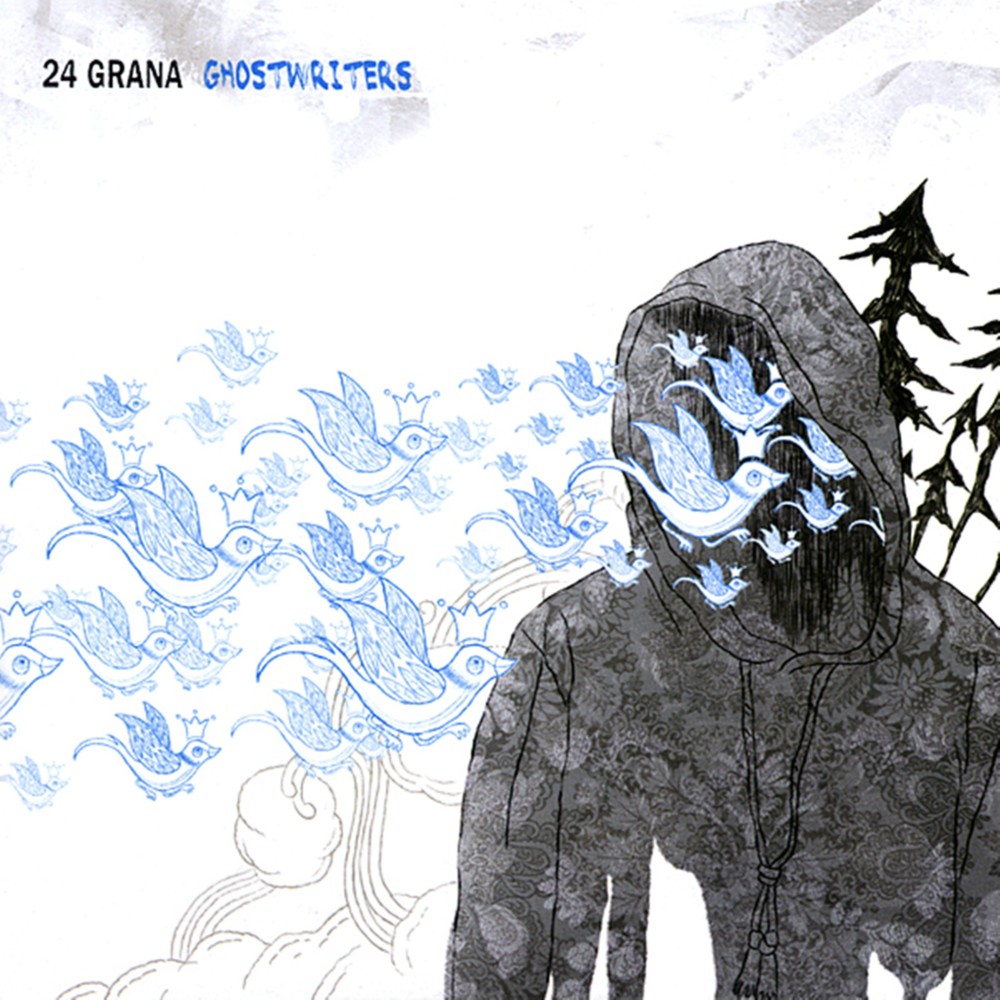
 View Artist