Song Meaning
The lyrics paint a scene of departure, immediately establishing a playful tension between two groups, identified as "SAILORS" and "PASSENGERS." The sailors offer a simple "Bon voyage," but the passengers correct them, insisting on the proper French pronunciation. This linguistic correction sets a tone of lightheartedness and perhaps a subtle power dynamic, where the passengers are more refined or knowledgeable in the language of romance and travel. It's a charming back-and-forth that frames the farewell.
The core emotional conflict arises from the bittersweet nature of saying goodbye. The "ALL" group expresses a genuine "hate to say goodbye, sweetheart," grounding the scene in relatable human emotion. Yet, this sentiment is immediately followed by the sailors' romantic declarations like "I'm yours for life" and the passengers' insistence on the French equivalents, "pour la vie." This juxtaposition highlights the performative aspect of farewells, where grand romantic gestures mingle with the practicalities of separation and the desire to maintain connection across distance.
The most striking craft element is the consistent call-and-response, specifically the passengers correcting the sailors' French. Phrases like "You mean 'sur la plage'" and "You mean 'ma chérie'" aren't just about language; they're about the *way* things are said, the romantic ideal versus the actual utterance. This repetition underscores the theme of idealized romance versus everyday expression, suggesting that the *intention* behind the words matters, whether spoken perfectly in French or earnestly in English, as the final lines "In English or in French" confirm.
What makes these lyrics effective is their ability to capture the universal experience of parting with a loved one through a specific, charming linguistic game. The back-and-forth between the two groups creates a sense of intimacy and shared experience, even in separation. It's the blend of genuine affection, the playful correction, and the romantic declarations that makes the farewell feel both poignant and enduring, suggesting that love transcends the exact phrasing of goodbyes.
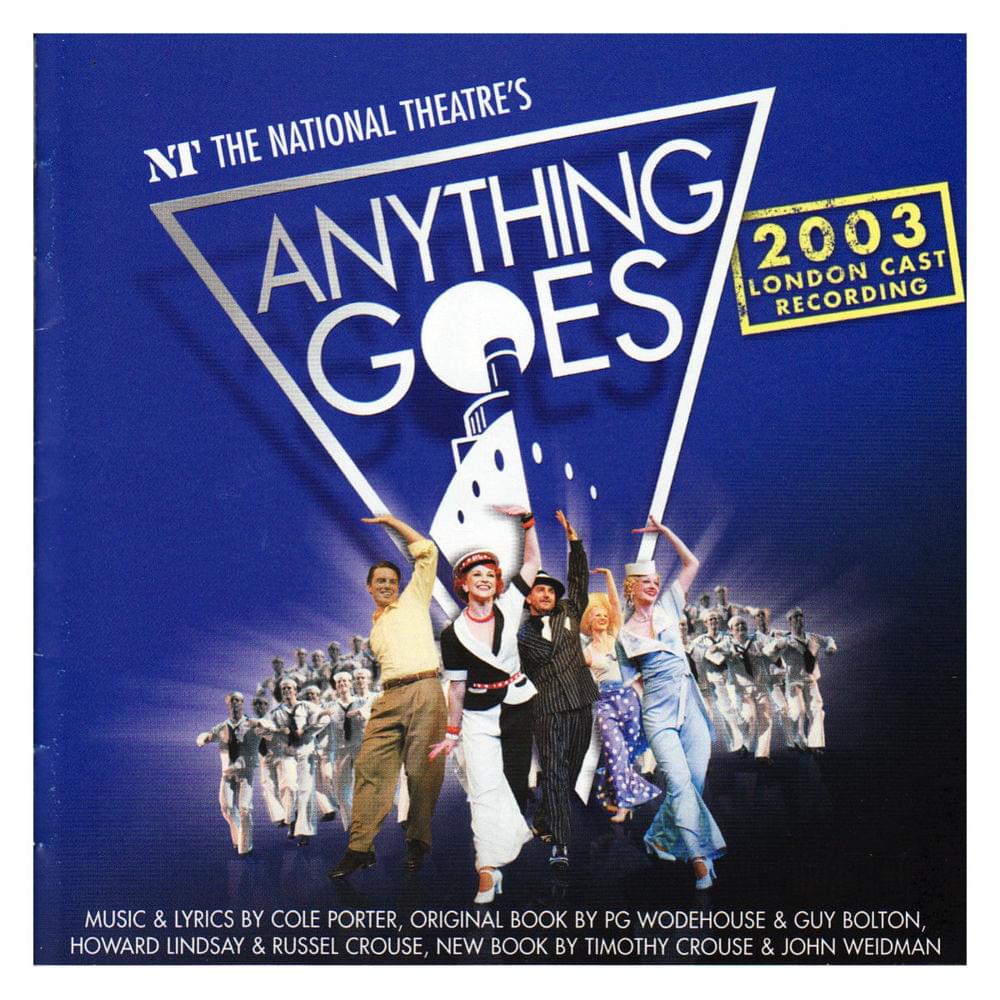
 View Artist