Song Meaning
The lyrics paint a stark picture of a world in flames, where the narrator breathes in the "smoke of past days" and observes "night lights" that are no longer familiar. This sets a tone of detachment and transformation, as the narrator claims to live without "backup airfields," suggesting a point of no return. The imagery of burning leaves, ignited by a "winter agent," creates a surreal and apocalyptic backdrop for this personal reckoning.
The central tension arises from a profound realization of inner freedom, even amidst external chaos and betrayal. The narrator declares, "I finally understood / My roots don't hold me." This liberation is coupled with a decisive break from the past, epitomized by the forceful image of "slamming the door." This newfound independence is solidified by the powerful assertion, "I owe no one / And I believe nobody."
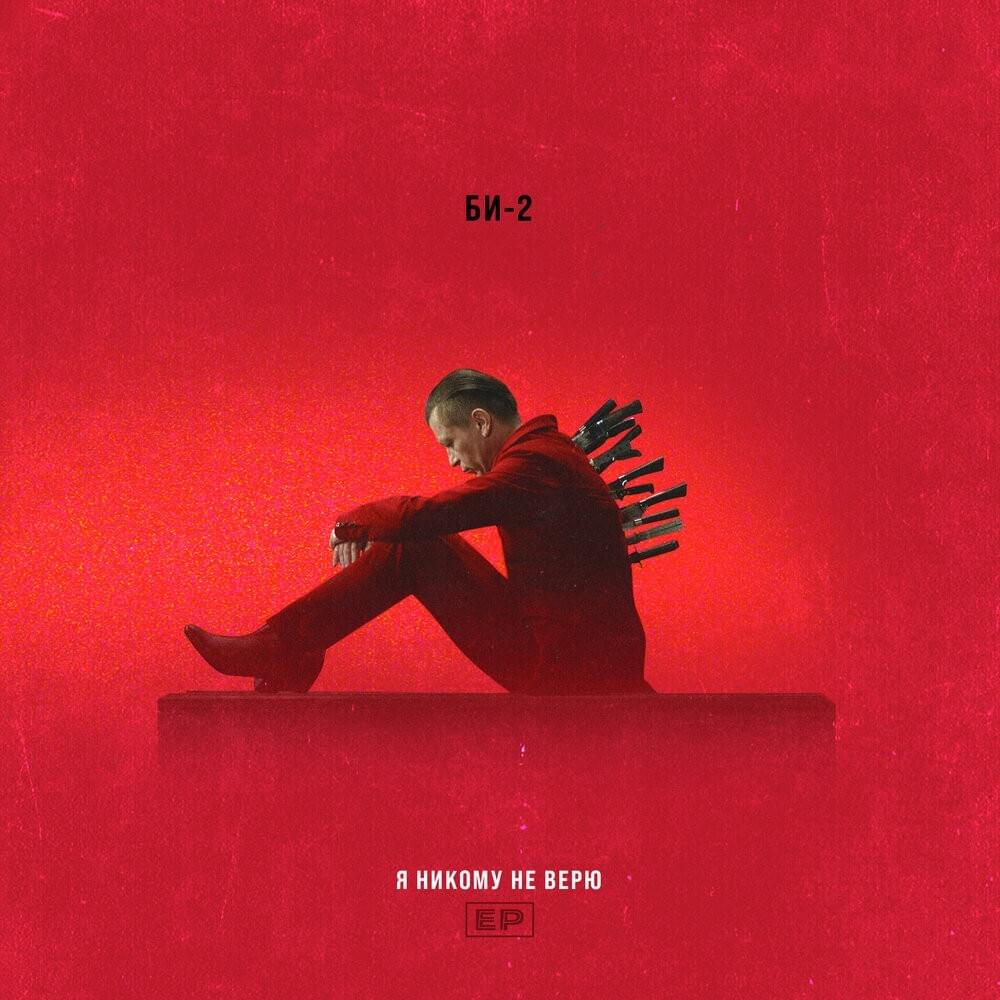
The most striking craft element is the juxtaposition of personal liberation with pervasive distrust. While the narrator finds freedom in detachment, the second verse reveals a deep-seated cynicism about human connection. The line "My close enemy is dearer than strangers" and the image of "knives flying from under the cover" illustrate a world where betrayal is expected, even from those closest. This makes the narrator's ultimate declaration of not believing anyone a logical, albeit bleak, consequence of this perceived reality.
This lyrical construction is effective because it grounds a sweeping sense of personal freedom in a specific, albeit metaphorical, landscape of broken trust. The contrast between the internal state of being "internally free" and the external world's perceived treachery creates a compelling emotional resonance. The final, unwavering statement, "I believe nobody," lands with the weight of hard-won, solitary peace.
 View Artist