Song Meaning
The lyrics paint a picture of defiant idleness, a deliberate embrace of "doing nothing" as a form of protest. The narrator kicks stones, hands in pockets, humming a major key tune while their body dances to a different rhythm, a physical expression of anger that contrasts with the outwardly cheerful melody. This "parade anytime, anywhere" seeks the "right to do nothing," a core tenet of their philosophy.
The central tension lies between the desire for freedom and the inevitability of societal pressures. The repeated assertion "In Clubbing we trust, In Groove we trust, In Google we trust, Whatever we trust" functions as a modern mantra, a declaration of faith in immediate pleasures and digital information over traditional structures. This faith is challenged by the looming prospect of becoming a "grown-up who is opposed," suggesting a fear of losing this present state of rebellion.
The most striking element is the defiant imagery of disrupting established order. The narrator vows to "bring a group of kids into someone's palace tonight" and "pee," a crude but potent act of disrespect aimed at authority or tradition. This is juxtaposed with the nostalgic remembrance of "clubbing boys" now reduced to "photos," highlighting the ephemeral nature of youth and rebellion, and a subtle critique of those who cling to past glories without present relevance.
Ultimately, the lyrics resonate because they capture a specific brand of youthful defiance: a blend of apathy and aggression, seeking liberation in leisure and digital connection. The contrast between the outward performance of happiness and inner anger, the embrace of fleeting pleasures, and the raw act of defiance against the "grown-up" world creates a potent, if temporary, sense of freedom.
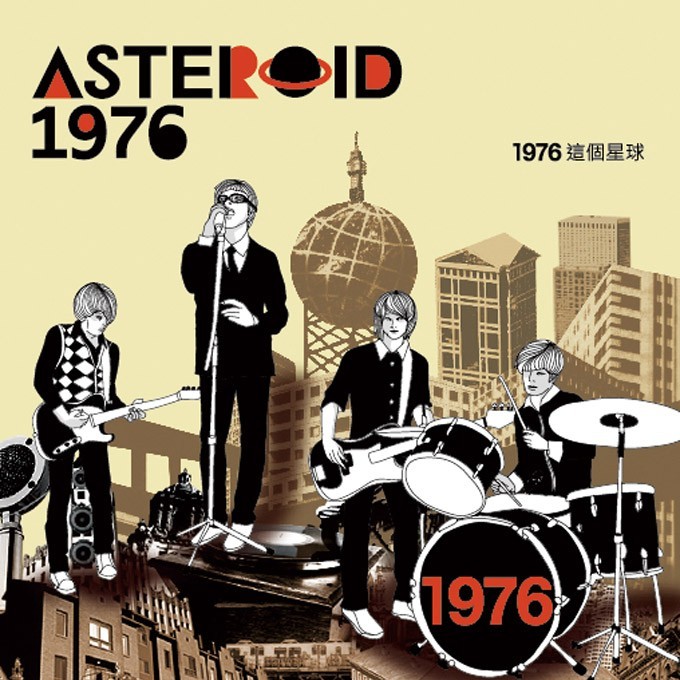
 View Artist