Song Meaning
The lyrics paint a picture of a defiant departure, a child leaving the safety of their mother's "shrine" to face the world, albeit unsteadily. The opening lines, "I find my feet, I walk 3 steps then I fall," immediately establish a tone of vulnerability and struggle, yet this is quickly countered by a fierce rejection of comfort: "Don't try to save me momma, don't kiss my wounded knees." This isn't a plea for help, but a declaration of independence, a refusal to be coddled or embarrassed in the pursuit of self-discovery. The narrator insists on forging their own path, even if it involves stumbling.
The central tension arises from the narrator's dual identity and their mother's perception. They proclaim themselves the "boogie-woogie king," a title suggesting confidence and mastery, yet they also acknowledge their precarious state, "crawled" from their mother's influence and still prone to falling. The repeated question, "What do you see now momma, this wicked mule in me / Or do you a child trying to get'em gotta be?" highlights this internal conflict and the desire for their mother to see their burgeoning, perhaps wild, persona rather than a helpless child. The "wicked mule" could represent the untamed spirit or the difficult journey they are undertaking.
The most striking element is the insistent, almost hypnotic repetition of "Take my hand, take my other hand." This phrase, appearing multiple times, creates a sense of urgency and perhaps a lingering need for connection, even amidst the declared independence. It’s a complex gesture: is it a final plea for support before fully launching, or a way to ground themselves by recalling a familiar comfort? The contrast between this repeated offer of connection and the earlier rejection of maternal aid is stark, suggesting a deep-seated ambivalence about fully severing ties.
Ultimately, the effectiveness of these lyrics lies in their raw portrayal of a difficult transition. The narrator is shedding dependence, embracing a self-proclaimed, albeit shaky, regal identity as the "boogie-woogie king." The writing captures the messy, contradictory emotions of leaving home – the desire for freedom clashing with the fear of failure, the need for self-assertion intertwined with a residual longing for maternal reassurance. It’s this unflinching look at the awkward, unglamorous reality of growing up that resonates.
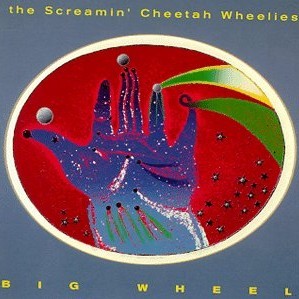
 View Artist