Song Meaning
The lyrics paint a picture of someone grappling with a relationship's end, finding a strange solace in the silence that follows. The opening lines suggest a preference for unspoken truths, a quiet acceptance of a situation where apologies are either unnecessary or unoffered. This initial thought sets a tone of resignation, hinting that the speaker might be better off without further explanations or pleas for reconciliation.
The central tension arises from the conflicting desires for both closure and a second chance. The narrator declares "Fine don't give me one more chance" yet immediately follows with "Give me one more chance." This push-and-pull reveals a deep internal struggle, a desperate hope clashing with a learned self-preservation. The idea that "happiness is bliss like ignorance" suggests a painful awareness that true contentment might lie in not knowing the full truth or the inevitable outcome.
The most striking craft element is the ironic juxtaposition of "Happy is the man who doesn't speak aloud" and the later plea "Give me one more chance." The speaker seems to acknowledge the peace found in silence and ignorance, yet actively seeks the very communication and potential rejection that breaks that peace. The repeated phrase "one more chance" underscores this desperate, perhaps futile, pursuit.
This lyrical construction is effective because it captures the messy, contradictory nature of heartbreak. The narrator isn't presenting a clear narrative but rather a raw emotional state, where logic takes a backseat to yearning. The final lines, "I won't wait 'til tomorrow / But you don't know it never comes," deliver a poignant punch, suggesting that the promised future, whether good or bad, is an illusion, leaving the speaker trapped in a perpetual, uncertain present.
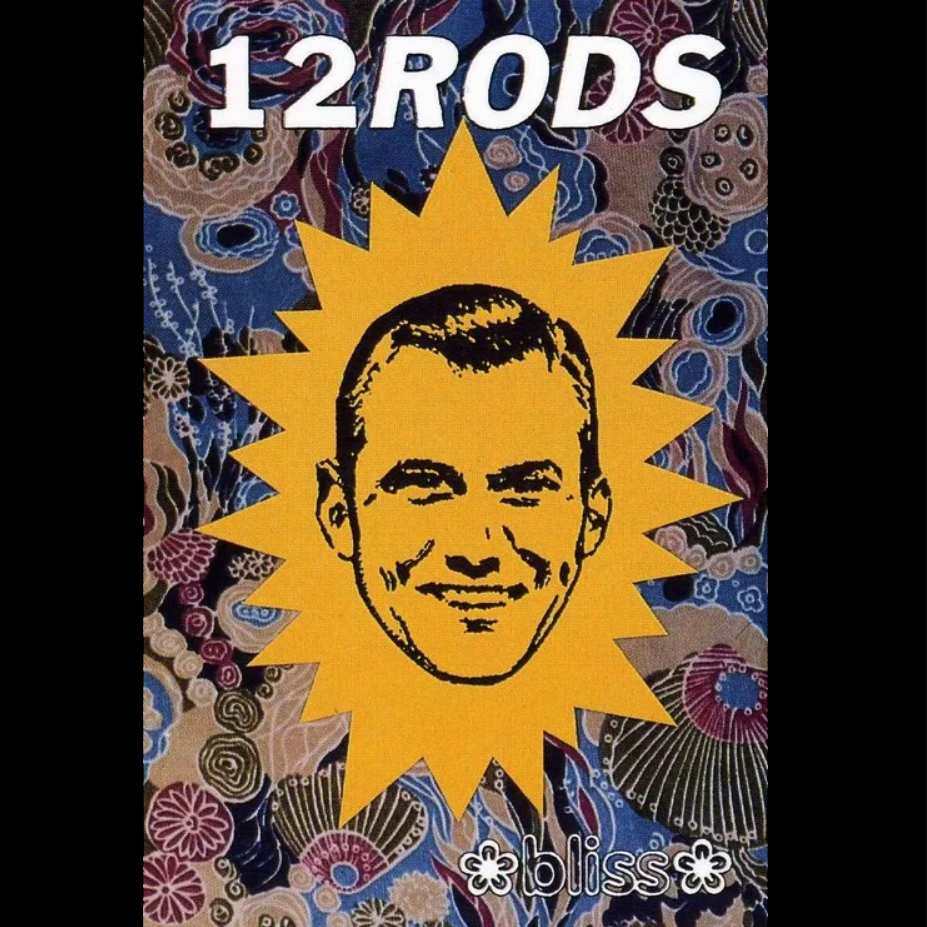
 View Artist