Song Meaning
This interlude lays bare a raw, almost desperate plea for a singular love. The narrator's world has seemingly shrunk to encompass only one person, declaring, "You are the only one for me." Every action, every breath, is framed by this singular devotion, creating an intense emotional atmosphere. The repetition of "everything that I do / Is for you and me" hammers home the idea that the narrator's entire existence is now intertwined with this relationship. It’s a declaration that leaves no room for doubt about the depth of their feelings.
The central tension here is the fear of loss, starkly articulated in the repeated command, "So never leave / Just stay with me." This isn't just a request; it's an urgent demand born from a profound vulnerability. The interjection "I can't breathe without you" elevates the stakes, suggesting a dependency so absolute that separation feels like a physical impossibility. The narrator appears to be grappling with a fear that their entire sense of self will dissolve if this person is gone.
The most striking aspect of the writing is its relentless simplicity and directness. There are no complex metaphors or elaborate imagery, just blunt declarations of need and exclusivity. This unadorned approach, particularly the insistent repetition of the core phrases, creates a hypnotic effect. It mimics the obsessive nature of deep infatuation or perhaps the anxiety of someone clinging to the only stable thing in their life. The final lines, "Nobody's fault but mine," hint at a past mistake or a self-awareness of this intense dependency, adding a layer of poignant self-recrimination.
Ultimately, the effectiveness of these lyrics lies in their unflinching portrayal of absolute emotional reliance. By stripping away all other concerns and focusing solely on the presence of this one person, the interlude captures a potent, almost overwhelming feeling of singular devotion. It’s the kind of raw, unvarnished expression that resonates because it taps into the primal human need for connection and the paralyzing fear of its absence.
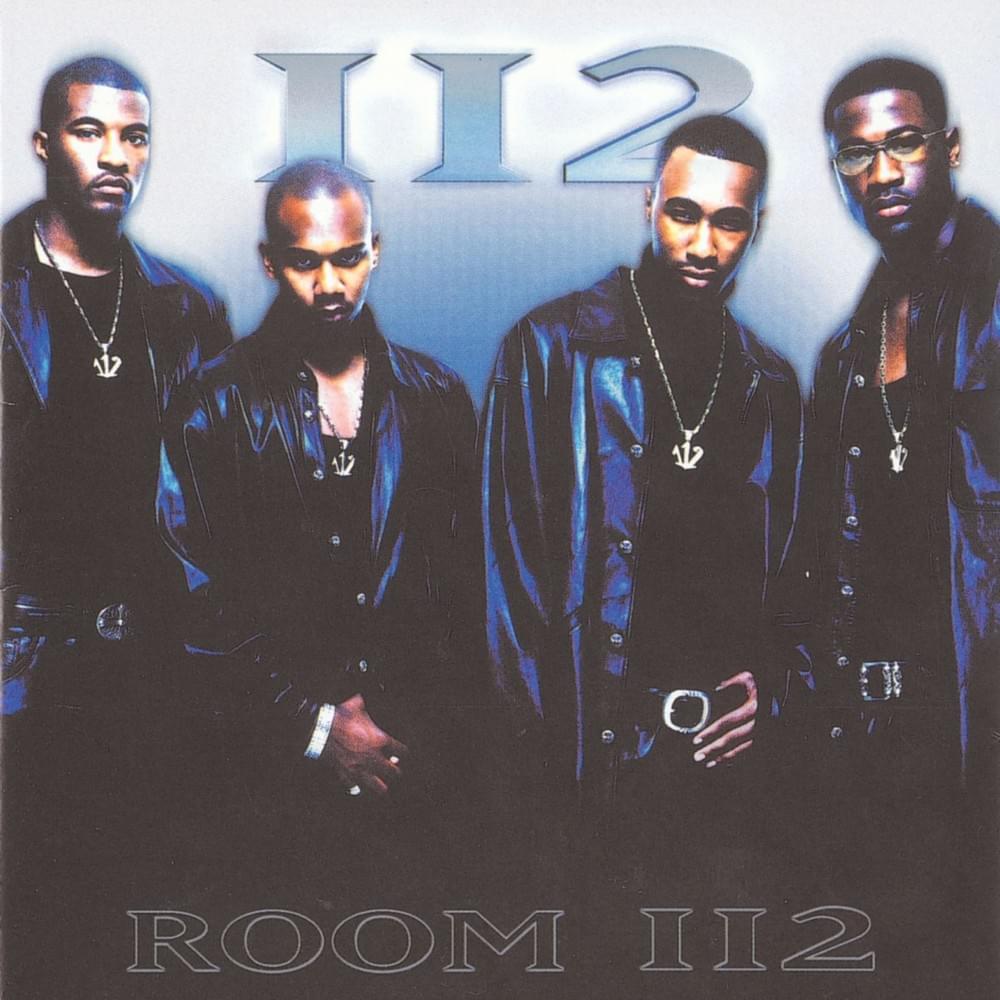
 View Artist