Why Everyone Is Listening to Sadder Music at Night in 2026
Latest News
Music Journalist
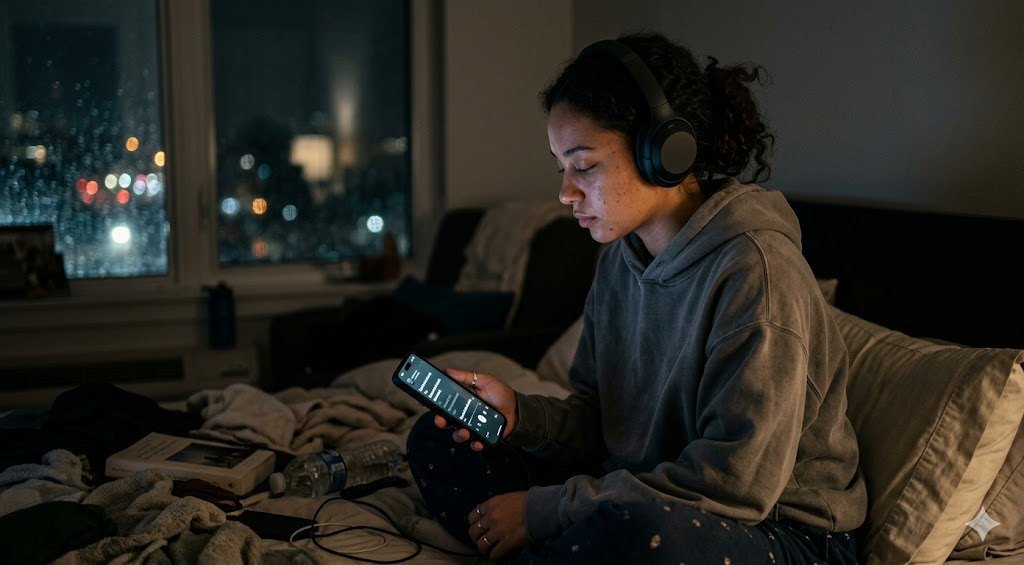
There’s a different kind of music taking over America in 2026 — and it doesn’t play at full volume. It doesn’t chase attention. It doesn’t try to dominate the room. Instead, it lives in headphones, in late-night drives, in quiet moments when everything else slows down.
This is the rise of dark pop and alternative R&B — a sound built on atmosphere, vulnerability, and emotional precision. It’s not designed for crowds. It’s designed for individuals.
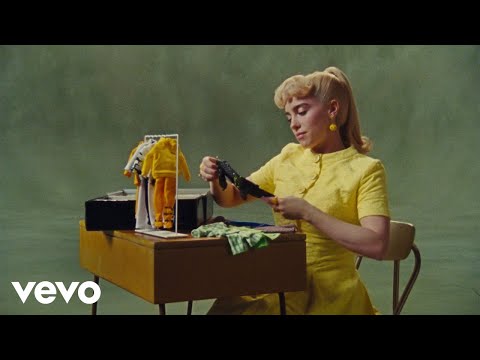
Tracks like “What Was I Made For?” by Billie Eilish capture exactly where the mood is right now. The song doesn’t rush. It barely moves. But that’s the point. Every line feels exposed, almost uncomfortable in its honesty.
That kind of restraint is what defines this era. Instead of building toward a drop or a chorus that explodes, these songs stay close. They sit with you. And in 2026, that intimacy is more powerful than anything loud.
It’s also changing how people listen. Music isn’t just background noise anymore — it’s part of emotional processing. Late at night, when distractions fade, listeners are choosing songs that reflect how they actually feel.
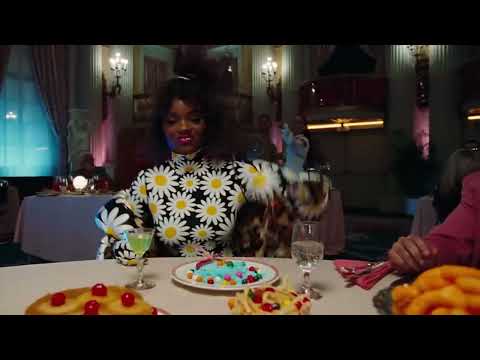
That’s where “Snooze” by SZA fits in. It’s smooth, minimal, and emotionally direct. Nothing about it feels forced. The production leaves space, and that space is what lets the emotion land.
This is a key shift from earlier eras of R&B. It’s less about performance and more about presence. The vocal isn’t competing with the beat — it’s sitting inside it.
And that same approach shows up across artists dominating late-night playlists. There’s a consistent tone: slower tempos, softer textures, and lyrics that feel closer to real conversations than polished songwriting.

Even artists who operate at a massive scale are leaning into this mood. “After Hours” by The Weeknd is built entirely around atmosphere. It stretches out. It doesn’t rush to resolve anything. It lets the feeling linger.
That’s what makes it replayable. Not because it’s catchy in a traditional sense, but because it creates a space people want to return to.
The same logic applies to older tracks that continue to circulate. Songs don’t need to be new to feel relevant. They just need to match the moment.

“Summertime Sadness” by Lana Del Rey continues to reappear in this context. It carries the same emotional weight it always did, but in 2026, it feels even more aligned with how people are listening.
There’s a reason for that. The aesthetic has shifted. People aren’t just looking for songs — they’re looking for moods. And dark pop delivers that better than almost any other genre right now.
That mood isn’t always about sadness. It’s about reflection. About slowing down enough to actually feel something. In a culture that moves fast, that kind of pause becomes valuable.
Newer artists are building entire careers around this idea. “Romantic Homicide” by d4vd is a clear example. Minimal production, raw vocals, and a tone that feels almost unfinished — but intentionally so.
That “unfinished” quality is part of the appeal. It feels real. It feels like something captured in the moment, not constructed in a studio.
And that authenticity is what defines this wave. Listeners aren’t responding to perfection. They’re responding to honesty.
It’s also why these songs perform differently on platforms like TikTok. They don’t explode the same way high-energy tracks do. Instead, they spread slowly — through edits, late-night clips, and emotionally driven content.
They don’t demand attention. They earn it over time.
From a production standpoint, the shift is just as clear. There’s less layering, fewer instruments, and more emphasis on vocal clarity. Every element has space to breathe.
That makes these songs more adaptable. They work in headphones. They work in quiet environments. They work in moments where louder tracks would feel out of place.
And that adaptability is exactly what keeps them circulating. They don’t just fit one situation — they fit many.
For platforms like LyricsWeb, this creates a different kind of user behavior. People aren’t just looking up lyrics because they’re catchy. They’re looking them up because they’re trying to understand what they’re feeling.
A line hits. It stays. And the next step is figuring out why.
That’s where songs like What Was I Made For? or Snooze become more than just tracks. They become entry points into something deeper.
And that’s ultimately what defines this shift in 2026. Music isn’t just something people play.
It’s something they sit with.
About the Author
Music Journalist
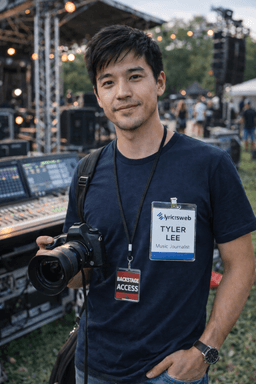
Tyler Lee is a multimedia journalist at LyricsWeb, covering live music photography and editorial features.