Why Do 2026 Hits Sound Like 2006? The Indie Sleaze & Y2K Revival Explained
Latest News

Senior Music Editorial Desk
The 20-Year Trend Cycle: Why Nostalgia Rules the Charts
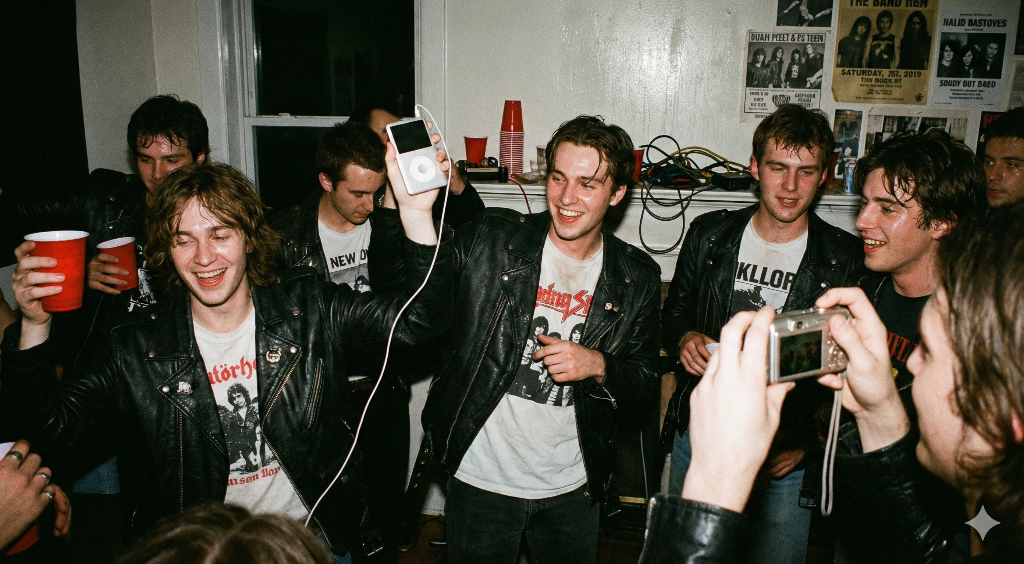
If you’ve scrolled through your TikTok FYP lately, you might have felt a sense of déjà vu. The messy eyeliner is back, the digital cameras are flashing, and the music sounds suspiciously like the playlist from a 2006 house party. Welcome to the Indie Sleaze and Y2K Revival.
At Lyricsweb, we’ve noticed a massive shift in 2026 music production. Artists aren't just sampling old hits; they are recreating the raw, chaotic energy of the mid-2000s. But why now? And what does it mean for the lyrics we sing along to?
Deconstructing the Sound: Interpolation vs. Sampling (H2)
The modern hits of 2026 rely heavily on Interpolation—recording a melody from an old song note-for-note rather than directly sampling the master track.
The "Lazy" Lyricism Debate (H3)
Critics often call this trend "lazy," but our lyrical analysis suggests something deeper. When Gen Z artists reuse a hook from 2004, they are using it as a vessel for modern anxiety. The melody is familiar and comforting, but the new verses often tackle darker themes like:
- Digital Burnout: Contrasting the "party" vibe of the music with lyrics about social exhaustion.
- Irony: Singing about love with a detached, cool attitude typical of the Indie Sleaze era.
The Visual Aesthetic: Flash Photography and Chaos (H2)
Music in 2026 is inextricable from its visual identity. The polished, HD look of the 2010s is out. In its place is the grit of low-quality flash photography. This aesthetic influences the music itself—songs are shorter, punchier, and less "perfectly" produced.
SEO Insight: What Fans Are Searching For (H2)
Data shows that when a new track drops that sounds "retro," searches for "original sample" and "who sang it first" spike instantly. By connecting the dots between the new hit and the original classic on Lyricsweb, we provide the context that the viral clips leave out.
Whether it’s a hyper-pop remix or a garage rock revival, one thing is clear: The future of music sounds a lot like the past.
About the Author
Senior Music Editorial Desk
LyricsWeb Editorial Team delivers trusted, research-backed coverage of music news, artist updates, and industry trends. As the Senior Music Editorial Desk, the team combines editorial expertise with cultural insight to publish accurate, timely, and reader-focused stories across genres.