TikTok Is Rewriting Music History — One Viral Song at a Time
Latest News

Senior Music Editor
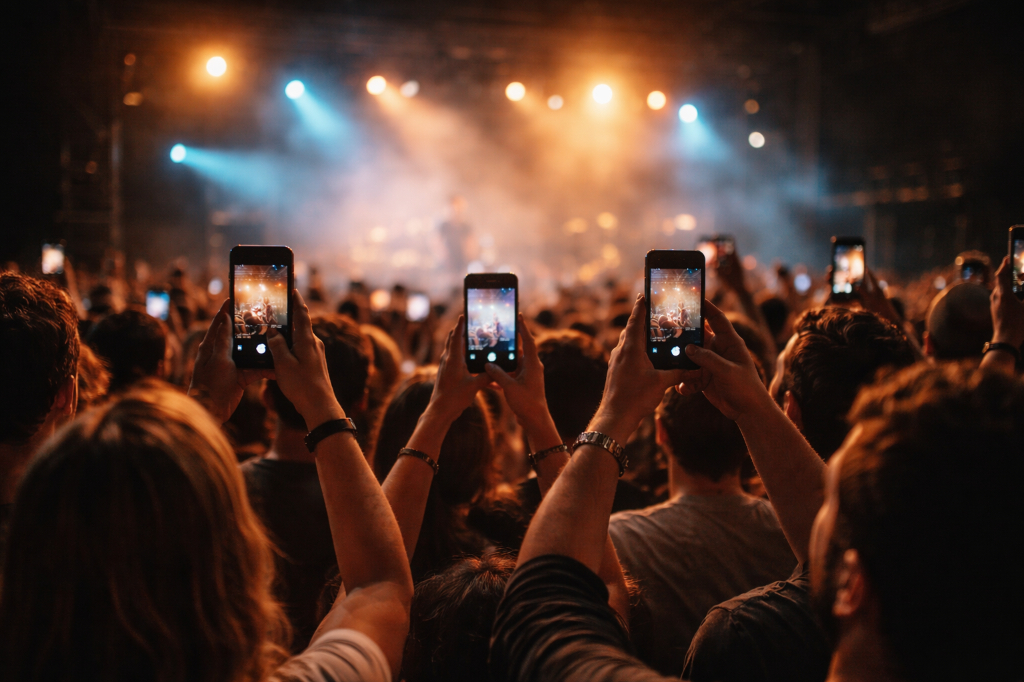
The modern hit song no longer starts on the radio. It doesn’t start in clubs. It doesn’t even start on streaming charts. It starts on a phone — looping, imperfect, and often detached from the artist who created it. TikTok has fundamentally changed the architecture of music discovery, turning fragments into hits and listeners into curators. A viral sound today can shape global listening behavior within hours.
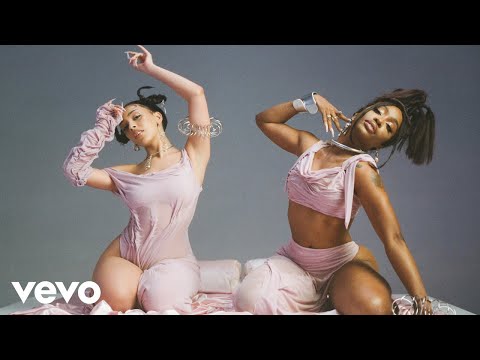
Take “Say So” by Doja Cat. Its mainstream explosion wasn’t driven by traditional promotion. It was propelled by choreography, user participation, and algorithmic momentum. The audience didn’t just consume the track — they activated it.
This shift matters because it changes what “popular” means. Historically, hits were manufactured through marketing pipelines, label strategy, and radio influence. Now, popularity often emerges organically through digital behavior. The most powerful tastemakers are no longer executives or critics. They are creators — millions of them — deciding collectively what deserves attention.
TikTok isn’t just promoting songs. It’s reshaping the emotional context around them. Tracks are no longer experienced as full compositions first. They’re experienced as moments — a hook, a beat drop, a lyric that fits a feeling. The entry point isn’t the song. It’s the emotion attached to it.
This explains why older songs are resurfacing at unprecedented speed. When a track like “Mr. Brightside” by The Killers appears in thousands of new videos, it stops being nostalgic. It becomes current again.
For Gen Z listeners, TikTok functions as a discovery engine. They encounter music socially — through humor, relationships, identity, and self-expression. Songs become tools for communication. A viral audio clip can represent heartbreak, confidence, sarcasm, or nostalgia in seconds.
For older audiences, the platform operates differently. It acts as a rediscovery mechanism. People encounter songs they recognize but recontextualized through younger perspectives. This cross-generational loop is unprecedented. It collapses the timeline of music history into a continuous present.
The viral ecosystem also alters artist trajectories. Songs can break years after release. Unknown creators can generate hits without label infrastructure. Even established stars like Taylor Swift experience catalog resurgences triggered by platform activity.
This transformation reflects a deeper cultural shift: attention is now the primary currency. Songs succeed not only because they are good, but because they are adaptable. A track that fits multiple emotional contexts travels faster across the platform.
That adaptability explains why certain genres dominate viral cycles. Pop, hip-hop, and emotionally charged alternative tracks perform best because they offer clear emotional entry points. A listener immediately understands how to use the sound.
TikTok has also blurred the boundary between listener and participant. The platform encourages reinterpretation. Users remix meaning through visuals, storytelling, and performance. The song evolves as it spreads.
In this environment, authenticity becomes critical. Audiences respond to music that feels personal rather than engineered. Artists who communicate vulnerability, humor, or raw emotion tend to gain stronger traction.
Consider the way tracks from Megan Thee Stallion circulate. They function not only as songs but as expressions of identity and confidence. The viral spread reflects cultural participation rather than passive listening.
This participatory model reshapes marketing. Labels increasingly monitor social traction before investing heavily. Viral activity often predicts chart performance. The traditional pipeline has inverted: the audience validates the song first.
The psychological impact is equally significant. Music consumption becomes social validation. Sharing a sound signals belonging. Using a track communicates personality and emotional state.
This emotional coding explains why certain viral songs feel inescapable. They’re not just heard repeatedly. They’re seen repeatedly — embedded in everyday narratives.
And yet, the phenomenon carries tension. The speed of virality can flatten artistic intention. Songs become known for moments rather than full compositions. Some artists gain massive exposure but struggle to translate that attention into sustained engagement.
Still, the long-term cultural effect is undeniable. TikTok is expanding the definition of music history. Songs from different eras coexist in the same discovery ecosystem. A track from 2004 can trend alongside one released last week.
For listeners, this creates a unique listening identity. Taste becomes less chronological and more emotional. People build playlists based on feeling rather than release date.
For the industry, it introduces volatility. Trends can appear and disappear overnight. Predictability declines. But opportunity expands — particularly for artists willing to experiment.
What emerges is a new listening culture driven by curiosity. Audiences constantly search for the next sound that resonates emotionally or visually. Discovery becomes addictive.
And within that constant motion, songs take on new lives. A viral moment can resurrect a catalog, redefine an artist, or create a cultural flashpoint.
TikTok doesn’t just promote music. It rewrites the narrative around it — turning individual tracks into collective experiences. Each viral song becomes a shared memory in real time.
That’s why these moments feel larger than charts or streams. They represent a shift in how culture forms. Music is no longer delivered from artist to listener. It’s shaped collaboratively.
And as long as audiences continue searching for emotional language, viral songs will remain the fastest path to connection — not because algorithms demand it, but because people do.
About the Author
Senior Music Editor
LyricsWeb Editorial Team delivers trusted, research-backed coverage of music news, artist updates, and industry trends. As the Senior Music Editorial Desk, the team combines editorial expertise with cultural insight to publish accurate, timely, and reader-focused stories across genres.