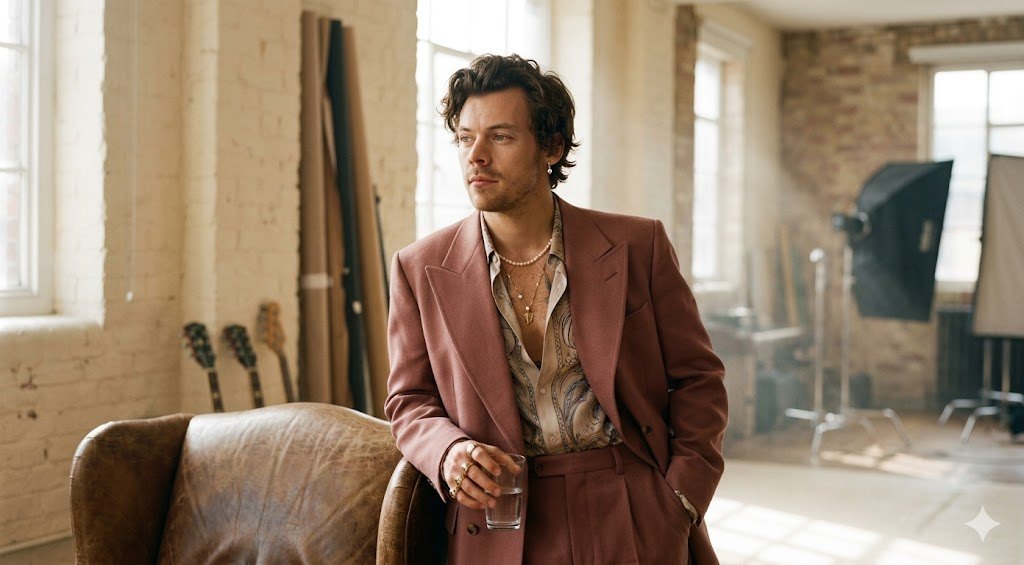
The Return of the Pop Album: Why Harry Styles Is Leading the 2026 Music Wave
Latest News
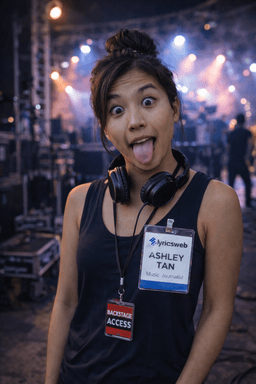
Music Journalist
For much of the last decade, the music industry revolved around singles. Viral hits, TikTok snippets, and playlist-ready tracks defined the streaming era. But in 2026, a noticeable shift is underway: the blockbuster pop album is back. And one of the artists driving that shift is Harry Styles, whose latest record Kiss All the Time. Disco, Occasionally has reignited the conversation around what a modern pop album can be.
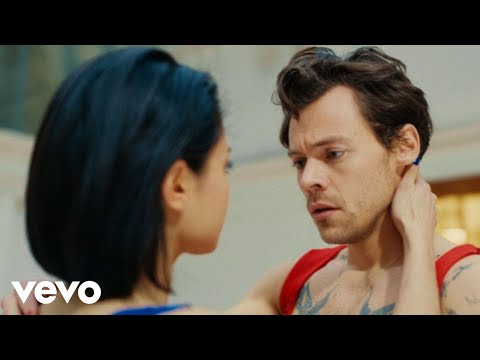
The renewed interest in full-length albums represents more than nostalgia. It reflects a cultural reset in how audiences engage with music. Instead of consuming isolated singles, listeners are once again exploring entire projects from beginning to end—an experience that blends storytelling, sonic cohesion, and lyrical exploration. Artists like Harry Styles are leaning into that moment, crafting albums that feel intentional rather than algorithm-driven.
While streaming platforms still reward individual hits, a growing number of listeners are seeking deeper engagement. Fans want to analyze lyrics, debate track sequences, and discover hidden emotional layers within songs. Albums like Kiss All the Time. Disco, Occasionally offer exactly that: a cohesive listening experience that invites repeat plays and long-form discussion.
This renewed album focus mirrors previous industry turning points. In earlier eras, landmark records defined cultural moments. From concept albums in the 1970s to pop megareleases in the early 2010s, albums once shaped the identity of artists and entire musical movements. The streaming era disrupted that model, but the pendulum now appears to be swinging back.
One reason for the comeback lies in the evolution of fandom itself. Online communities analyze every lyric and production detail, often turning albums into interactive cultural events. When a major artist drops a project, social media conversations explode with track-by-track reactions, lyrical interpretations, and ranking debates.
Lyrics-focused platforms are particularly positioned to benefit from this shift. When fans dive into songs like As It Was, they aren’t just listening—they’re reading lyrics, analyzing meaning, and sharing interpretations. Each track becomes its own conversation, expanding the life cycle of an album far beyond its release date.
The commercial impact is already visible. Major album releases now generate massive first-week streaming numbers, sustained chart dominance, and global fan engagement across multiple platforms. Instead of disappearing after a viral moment, albums remain in the cultural conversation for weeks or even months.
For artists, this marks a return to a more ambitious creative approach. Albums allow musicians to experiment with sonic themes, explore emotional narratives, and present a complete artistic statement rather than a collection of disconnected singles. In the case of Harry Styles, the approach reinforces his status as one of the defining pop voices of the 2020s.
The broader trend extends beyond one artist. Across genres—from pop to indie and R&B—artists are investing more time into album-length storytelling. Listeners appear ready for it. After years of endless scrolling and fragmented listening, the idea of immersing oneself in a fully realized musical world suddenly feels fresh again.
As 2026 unfolds, the pop album is reclaiming its place at the center of music culture. With major artists releasing ambitious projects and fans eager to dissect every lyric and melody, the album format is proving that it still has the power to shape the direction of modern music.
About the Author
Music Journalist
Ashley Tan brings energetic, backstage-level coverage of live music and emerging artists to LyricsWeb readers.