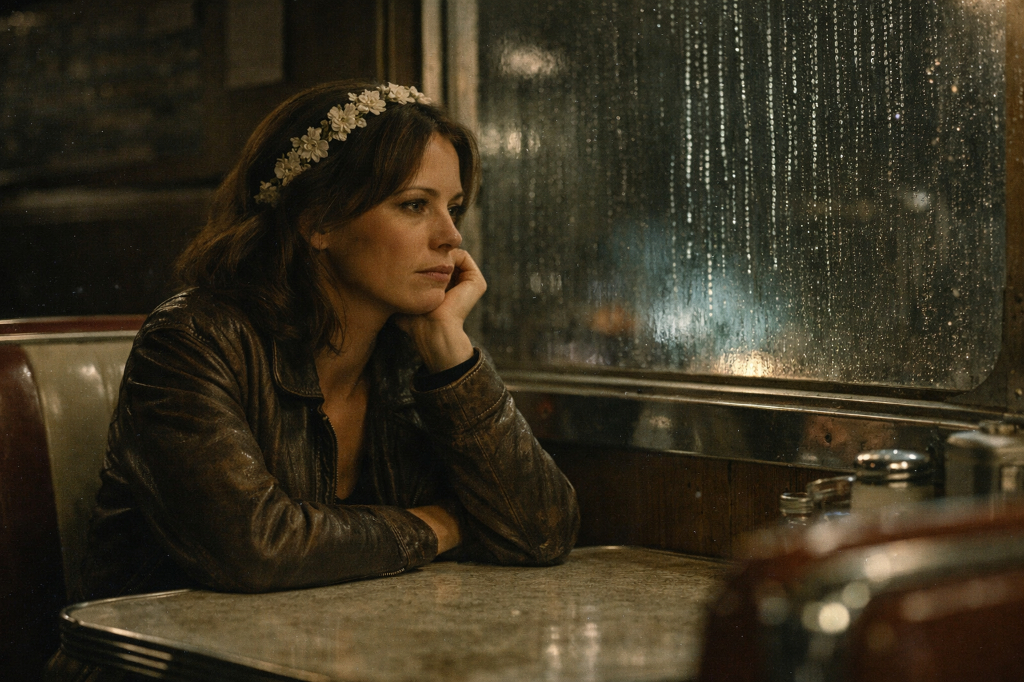
The Queen of Hearts: Why Lana Del Rey Is the Only Valentine the Internet Generation Deserves
Latest News

Contributing Music Critic
February 14, 2026, arrives not with a bang, but with a notification ping. In an era where romance is increasingly mediated by algorithms and "situationships" have replaced courtship, the traditional symbols of Valentine’s Day—red roses, heart-shaped boxes, earnest declarations—feel like artifacts from a lost civilization. We don't want the fantasy anymore; we want the glitch. We want the beautiful, messy, high-definition tragedy. And for the last fifteen years, one artist has been quietly, methodically building a cathedral to exactly this kind of broken devotion. To understand love in the 2020s, you don't read Shakespeare or consult a therapist. You listen to Lana Del Rey.
Part I: The Architecture of Passive Devotion
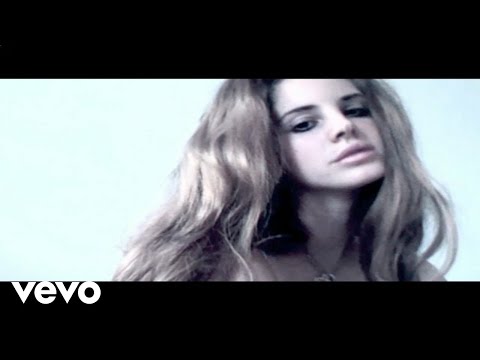
When Video Games emerged from the digital ether in late 2011, it felt like a transmission from a parallel timeline. The grainy, Super-8 aesthetic of the music video wasn’t just a stylistic choice; it was a warning shot. While her contemporaries like Katy Perry and Lady Gaga were building empires on empowerment and self-love, Lana Del Rey did something radical: she advocated for submission. Not the anti-feminist submission critics accused her of, but an emotional surrender to the chaos of loving someone who might not love you back.
The lyrics "It's you, it's you, it's all for you" are terrifying in their simplicity. They strip away the agency we are told to maintain in modern relationships. In 2026, this sentiment resonates more deeply than ever. We live in a culture of "soft launching" partners and carefully curated vulnerability. Del Rey's debut album, Born To Die, validated the feeling that love is not a negotiation, but a collision. Songs like Blue Jeans and Summertime Sadness codified the aesthetic of "waiting"—waiting for a text, waiting for a bad boy to grow up, waiting for the inevitable end.
Part II: American Mythmaking and the "Sad Girl"
To dismiss Lana Del Rey as merely the "Sad Girl" of pop is to miss the immense scope of her project. She is, at her core, a mythmaker. If Taylor Swift is the diary of American girlhood, Lana is its noir novel. Throughout Ultraviolence and the sun-soaked daze of Honeymoon, she wove a tapestry of American decay. Her lovers are rarely just men; they are archetypes—bikers, cult leaders, jazz singers, concepts of masculinity that are as crumbling as the Hollywood sign she so often references.
On Valentine's Day, this mythmaking offers a strange comfort. It elevates our mundane heartbreaks into cinema. When you listen to Ride, your loneliness isn't just isolation; it's a wide-open highway. When West Coast plays, a toxic relationship isn't a mistake; it's a noir thriller. She grants us permission to be the main character in our own tragedy, a vital service in a world that constantly demands we optimize our happiness.
Part III: The Great Maturation – Norman Fucking Rockwell!
The turning point in the Del Rey canon, and perhaps the most important text for understanding her enduring appeal, is 2019's Norman Fucking Rockwell!. Here, the passive observer became the sharp-witted narrator. The opening lines of the title track, Norman fucking Rockwell, dismantle the "man-child" archetype she once worshipped. It is a sobering, hilarious, and devastatingly real look at modern masculinity.
For the Gen Z listener, this shift is crucial. We watched her go from dying for love to laughing at it, all while maintaining that signature melancholia. Tracks like Venice Bitch and Mariners Apartment Complex offer a more mature, complex Valentine. They suggest that you can see someone's flaws, acknowledge the wreckage, and stay anyway—not out of desperation, but out of a radical, clear-eyed choice. It is the transition from "I can't live without you" to "I love you, but you're an idiot." And isn't that the truest definition of long-term romance?
Part IV: A&W and The Tunnel Under Ocean Blvd
Entering the mid-2020s, Lana Del Rey continued to evolve with Did you know that there's a tunnel under Ocean Blvd. The song A&W (American Whore) is a seven-minute odyssey that deconstructs her own public image and the sexual politics of being a woman in the public eye. It is anti-romantic, yet deeply intimate.
Songs like The Grants focus on familial love and the memories we carry beyond death, expanding the definition of what a "love song" can be. This Valentine's Day, as we scroll through curated feeds of happy couples, Lana reminds us of the "Tunnel under Ocean Blvd"—the forgotten, beautiful things that exist beneath the surface. She asks, "Don't forget me," a plea that echoes the deepest fear of the digital age: obsolescence.
Conclusion: The Patron Saint of the Situationship
So, why is Lana Del Rey the only Valentine we need in 2026? Because she doesn't sell us a lie. She doesn't promise that love conquers all, or that there is a lid for every pot. Instead, she offers companionship in the void. She validates the tears cried in Uber rides, the texts drafted but never sent, and the profound loneliness of being a romantic in a cynicism-poisoned world.
Whether you are blasting Off To The Races while getting ready for a date you already regret, or crying to Old Money alone in your bedroom, Lana is there. She is the flickering neon sign in the motel of our collective heart. And on this Valentine's Day, that dim, erratic light is the only one we trust.
Explore the Discography:
From the raw hip-hop beats of Born To Die to the folk-inspired poetry of Chemtrails Over The Country Club, trace the evolution of a legend on LyricsWeb. Decode the references, find the samples, and understand the lyrics that defined a generation.
About the Author
Contributing Music Critic
Julian Casablancas (Guest Editor) is a contributing writer at LyricsWeb.