The $150 Hoodie Hangover: Why Music Fans Are Finally Revolting Against Overpriced Merch
Latest News

Senior Music Editorial Desk
It’s a chilly Saturday night in January 2026 outside The Bowery Ballroom in New York City. The line goes around the block, but if you scan the crowd, you’ll notice a significant shift from just a few years ago. Gone are the armies of fans clad in identical, overpriced tour merch that looks like it was printed on sandpaper. The merch table inside is quieter than it used to be.
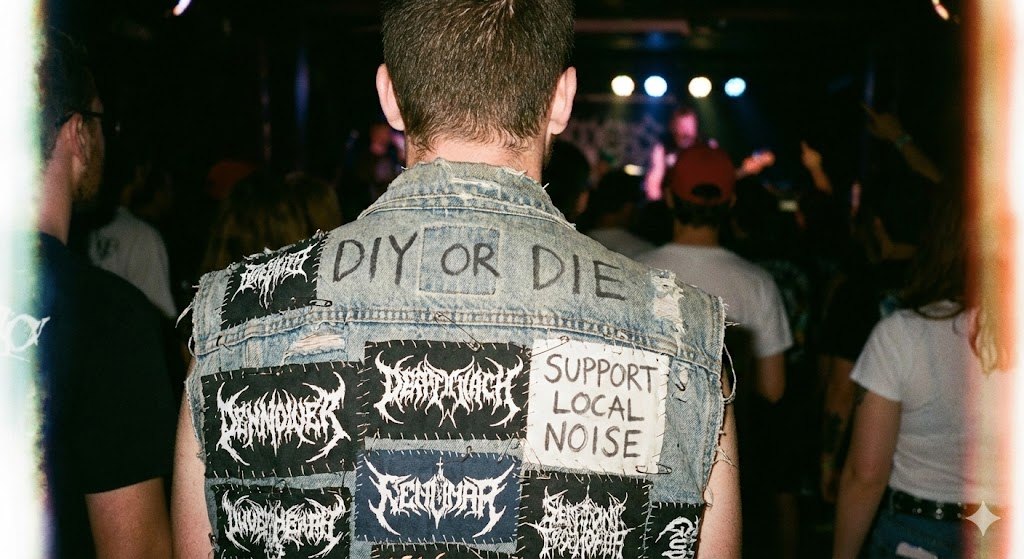
Instead, the sidewalk looks like a chaotic, beautiful fashion show of D.I.Y. Kids are wearing denim jackets plastered with hand-drawn patches, t-shirts customized with bleach and safety pins, and vintage gear hunted down in thrift stores. It seems the golden age of the lazy, expensive merch drop is finally collapsing under its own weight. Fans are done being treated like walking ATMs.
The Breaking Point of "Merch Creep"
We all know how we got here. As streaming revenues vanished, artists—from global superstars down to indie acts—began relying almost entirely on touring and merchandise to survive. We sympathized. We bought the $50 t-shirts to support the cause.
But somewhere along the line, the relationship turned predatory. We entered the era of the $150 hoodie printed on cheap blanks that shrink after one wash. We saw artists like Frank Ocean turn merchandise into a scarce, high-fashion commodity, creating a frenzy where owning the shirt became more important than listening to the music. The connection between the art and the product felt severed. By early 2026, with the cost of living still squeezing everyone, spending hundreds of dollars on mediocre concert gear just doesn't feel rebellious anymore; it feels like being a sucker.
Seizing the Means of Production
The response from the street is fascinating. It's a massive return to the punk ethos of the late 70s, updated for the Depop generation. Fans are realizing that a piece of gear they customized themselves carries more cultural weight than something they bought off a rack. It’s about agency. It's the aesthetic cousin to the raw, chaotic energy brought by artists like Playboi Carti, whose whole vibe celebrates a kind of messy, personalized anti-fashion.
This isn't just about saving money (though that helps). It's about authenticity. A homemade bootleg shirt shows a deeper level of engagement than simply clicking "add to cart." It transforms the fan from a passive consumer back into an active participant in the scene.
The Smart Artists Are Adapting
The music industry is now facing a choice. They can send cease-and-desist letters to teenagers selling handmade tribute gear on Etsy, which is a terrible look. Or, they can lean into it.
The smartest acts right now are embracing the bootleg culture. We’re seeing bands hosting pre-show meetups where fans can bring old clothes to screen-print logos onto them for cheap. They understand that a thousand kids wearing unique, personalized tributes to their music is better marketing than any billboard. The "official" merch era isn't completely dead, but the days of lazy cash grabs are over. If you want us to wear your name on our chest in 2026, you better make it mean something again.
About the Author
Senior Music Editorial Desk
LyricsWeb Editorial Team delivers trusted, research-backed coverage of music news, artist updates, and industry trends. As the Senior Music Editorial Desk, the team combines editorial expertise with cultural insight to publish accurate, timely, and reader-focused stories across genres.