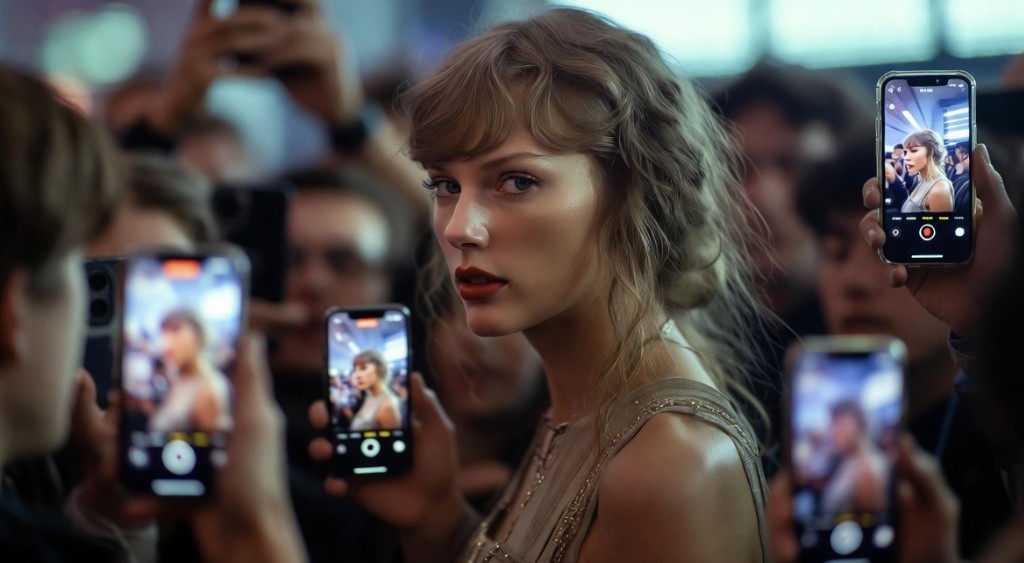
Taylor Swift’s 2026 Cultural Takeover: The Songs, The Strategy, The Obsession
Latest News
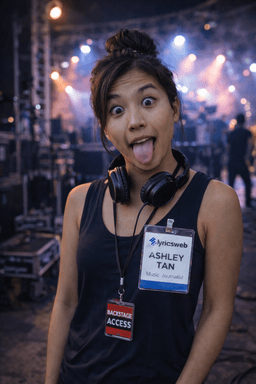
Music Journalist
In April 2026, music doesn’t move around charts the way it used to. It moves around moments. And right now, no one understands that better than Taylor Swift. What started as confessional songwriting has turned into something much bigger — a living, breathing system where every lyric, release, and visual feeds into a larger story fans actively participate in.

Take “Fortnight”, her collaboration with Post Malone. It’s quiet. Controlled. Almost restrained. And that’s exactly why it works. The track, part of The Tortured Poets Department, leans into emotional detail instead of chasing a big, obvious hook. It doesn’t demand attention — it pulls you in.
That’s where the market is right now in the US. Listeners don’t just want something catchy. They want something that feels real. “Fortnight” doesn’t spell everything out. It leaves space. And that space is where listeners insert their own story.
But Swift’s dominance isn’t about one track. It’s about how her songs travel. A lyric turns into a caption. A chorus becomes a trend. A single line loops across millions of videos. That’s exactly what happened with “Anti-Hero”.
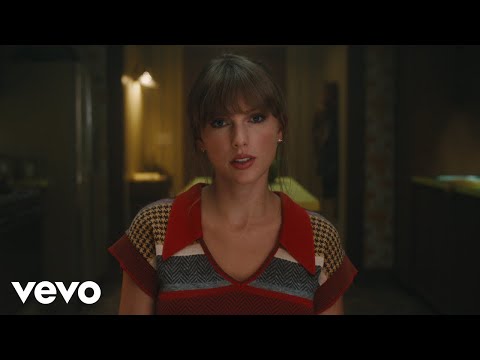
“It’s me, hi, I’m the problem, it’s me” didn’t just land — it stuck. It became shorthand. Something people say without even thinking about the song anymore. That’s the difference between a hit and something that actually cuts through culture.
A lot of that comes down to how she writes. Swift doesn’t generalize. She zooms in. Specific details. Small moments. The kind of lines that feel like they weren’t meant to be shared — and that’s exactly why people connect to them.
It also explains why older songs keep finding new life. Tracks like “Cruel Summer” didn’t just come back — they exploded again, years later.
That kind of second wave used to be rare. Now it’s normal. Songs don’t fade out anymore — they cycle back in. A live performance hits. A clip goes viral. Suddenly the track feels new again.
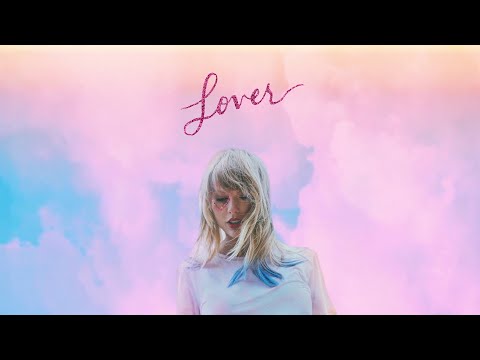
That works in Swift’s favor because her catalog isn’t fragmented. It’s connected. Someone rediscovers “Cruel Summer,” ends up on Lover, then jumps forward into The Tortured Poets Department. One listen turns into ten.
Another reason it sticks: her songs don’t live on just one level. You can play them in the background, or you can sit with them and pull them apart. Both experiences work. That’s rare.
And it lines up perfectly with how people listen now. Casual listeners scroll playlists. More invested listeners search lyrics. Real fans go deeper — themes, callbacks, timelines. Swift gives each layer something to grab onto.
Even older records like “Blank Space” still hold weight.
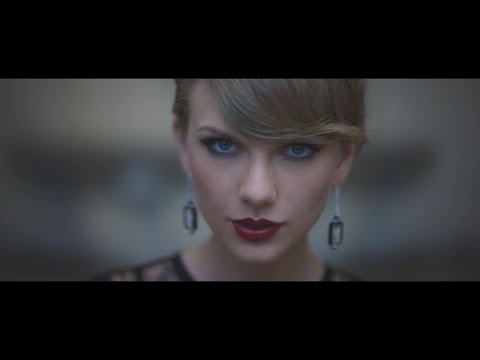
The concept is sharp. The tone is clear. It still feels current because it wasn’t built around a trend — it was built around an idea.
Production-wise, you can hear where things are going. Less clutter. More space. Vocals front and center. It’s not about sounding big anymore — it’s about sounding direct.
That’s practical. Most people aren’t listening in perfect conditions. It’s earbuds, background noise, quick sessions. If the vocal cuts through, the song survives.
At the same time, visuals carry more weight than ever. Swift’s videos aren’t just visuals — they’re extensions of the story. They’re built to be paused, replayed, picked apart.
And timing — that’s another piece. Swift doesn’t just drop music. She drops it into the right moment. Whether that’s tied to a broader cultural conversation or just a shift in mood, the release feels aligned.
That matters more now than it ever did. Attention is fragmented. If something hits at the right time, it travels faster.
Then there’s the fan layer. Her audience doesn’t just listen — they respond. They analyze, share, debate. Every release turns into a conversation.
For a platform like LyricsWeb, that behavior is everything. People aren’t just looking up lyrics. They’re trying to understand what they mean. They’re connecting songs like Fortnight back to albums like The Tortured Poets Department, trying to map the bigger picture.
That’s where the real opportunity is. One song isn’t one piece of content. It’s multiple angles — meaning, context, breakdown, reaction. The deeper you go, the more engagement you get.
That’s also exactly what works in search right now. Depth wins. Surface-level content gets ignored. Swift’s catalog gives you room to build something layered.
And that’s really the difference in 2026. Some artists release songs. Others build ecosystems.
Swift isn’t just putting out music. She’s maintaining a narrative — one that keeps evolving, pulling people back in every time.
And that’s why she’s still at the center of everything. Not just because of the songs — but because of what happens around them.
About the Author
Music Journalist
Ashley Tan brings energetic, backstage-level coverage of live music and emerging artists to LyricsWeb readers.