Rhinestones in the Mosh Pit: How Country Became the Last Punk Rock Frontier
Latest News
min read
Latest News

Jules "The Hawk" V.
Senior Editor, Subculture Beat
If you told a punk kid in 2006 that the soundtrack to the revolution of 2026 would involve a banjo, they would have spit in your face. But here we are. It is February 3, 2026, and the most dangerous mosh pits in America aren't at a hardcore show—they are at Zach Bryan pop-ups and Sierra Ferrell gigs. The genre that was once the punchline of the music world has become its sharpest blade.
Orville Peck didn't just wear a mask; he unmasked the hypocrisy of traditional country, paving the way for the queer, gothic Americana wave of '26.
To understand the rise of "Punk-Country," we have to acknowledge the death of the Nashville machine. For decades, the industry pumped out polished, formulaic songs about trucks, beer, and dirt roads. It was music for a fantasy America that no longer exists.
But the economic crash of the mid-20s changed the landscape. Gen Z isn't buying $80,000 trucks. They are struggling to pay rent. The polished pop-country stars in their mansions suddenly looked ridiculous. We needed a voice that sounded like struggle. And ironically, that voice came from the very roots the industry tried to pave over.
The old punk maxim—"Three chords and the truth"—is the new gospel of Appalachia. Artists like Tyler Childers were the prophets, but the new wave is even more aggressive. They are mixing the storytelling of Johnny Cash with the anti-authoritarian ethos of The Clash.
Listen to the lyrics climbing the viral charts today. They aren't about parties. They are about the opioid crisis, corporate greed, and the loneliness of the digital age. This is protest music disguised as folk. It’s acoustic, but it’s heavy.
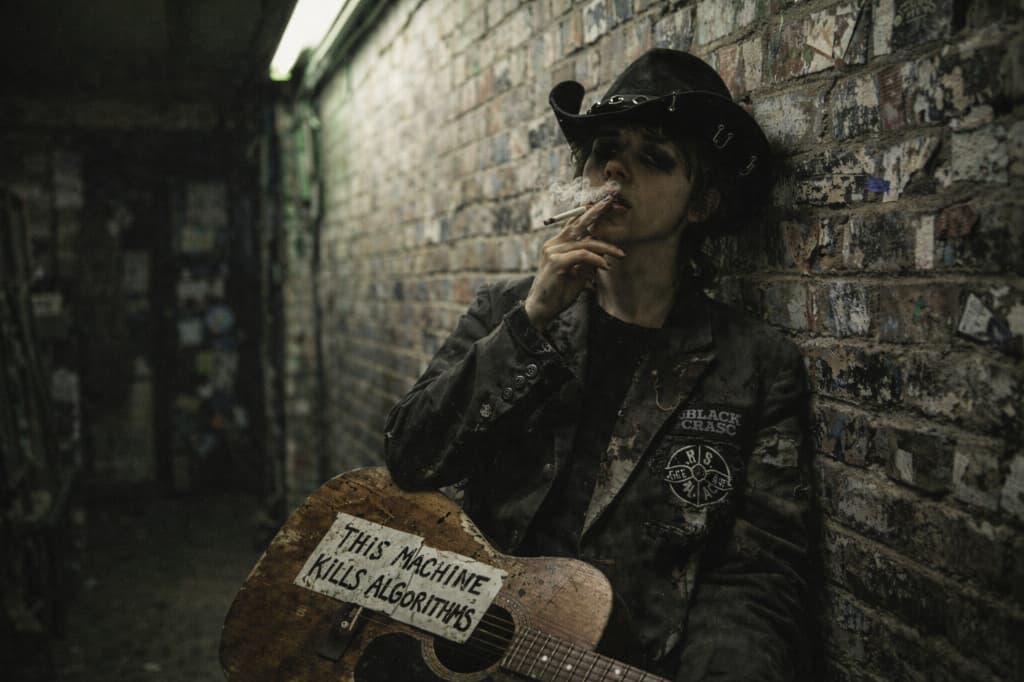
Visually, the lines have blurred completely. Walk into a show in Austin or Brooklyn tonight, and you won't see cowboy hats paired with flannel. You'll see them paired with fishnets, combat boots, and eyeliner. The "Y'allternative" scene has reclaimed the iconography of the West.
It’s a rejection of the coastal elitism that looks down on rural aesthetics, but also a rejection of the conservative rigidity of traditional country. It’s inclusive, queer, loud, and messy. It’s everything punk used to be, before punk became a museum exhibit.
Ultimately, this movement is a reaction against the AI-generated perfection we discussed last week. You can ask an AI to write a country song, and it will give you a cliché about a dog and a truck. But it cannot replicate the crack in a singer's voice when they scream about losing their job.
Country has become the new punk because it is the one genre where imperfection is a requirement. If your voice is too good, we don't believe you. In 2026, we don't want to be impressed; we want to be understood. And right now, the only ones understanding us are the freaks with the acoustic guitars.
0/5.0 - 0 Ratings
Loading comments...