Lykke Li’s The Afterparty Turns Heartbreak Into Beautiful Ruins
Latest News

Music Journalist
At a time when so much pop music feels engineered for instant reaction, Lykke Li continues making albums that sound like emotional aftermath. Not the party itself. Not the dramatic breakup. Not the cinematic climax. The silence after everything already collapsed.
That emotional philosophy sits at the center of The Afterparty, Li’s sixth studio album released on May 8, 2026 through Neon Gold Records/Futures. Across just nine tracks, the Swedish artist transforms loneliness, shame, revenge fantasies, emotional exhaustion, and late-night self-destruction into something strangely beautiful.
For more than a decade, Lykke Li has occupied a unique space inside modern alternative pop. While countless artists moved toward louder hooks and algorithm-friendly songwriting structures, Li continued building emotionally immersive worlds rooted in restraint, atmosphere, and vulnerability.
And on The Afterparty, she may have created the most emotionally exposed record of her career.
A Record About the “Lower Self”
Earlier this year, Lykke Li described the album in unusually blunt terms:
“I find that we’re in an era where everyone is talking about, ‘My higher self.’ Fuck that. This is an album dealing with your lower self: your need for revenge, your shame, despair, all of it.”
That statement explains almost everything about The Afterparty. The album does not chase healing or empowerment in the traditional modern pop sense. Instead, it sits inside emotional wreckage and forces itself to stay there long enough to understand it.
The title itself feels painfully accurate. An afterparty is supposed to extend the night. But eventually the music fades, people disappear, conversations become fragmented, and exhaustion quietly replaces excitement. That emotional transition defines the entire atmosphere of the album.
Recorded With a 17-Piece Orchestra in Stockholm
Much of the album was recorded in Stockholm with a 17-piece orchestra, giving several songs a cinematic chamber-pop scale that expands beyond traditional indie-pop structures.
At the same time, Li reportedly described portions of the percussion as “apocalyptic bongos,” a phrase that somehow perfectly captures the album’s strange balance between elegance and emotional collapse.
The production team behind the album includes Björn Yttling, David Andrew Sitek, Jake Oh, and several longtime collaborators connected to alternative and art-pop music.
Rather than overwhelming listeners with maximalist production, the album often leaves large emotional spaces inside the songs. Strings drift slowly through the background. Percussion feels distant. Vocals sound isolated. Silence becomes part of the arrangement.
“Happy Now” Introduced the Album’s Emotional Direction
The album’s early standout, “Happy Now,” immediately established the project’s emotional identity. The song feels simultaneously intimate and emotionally detached, balancing minimalist production with quiet devastation underneath the surface.
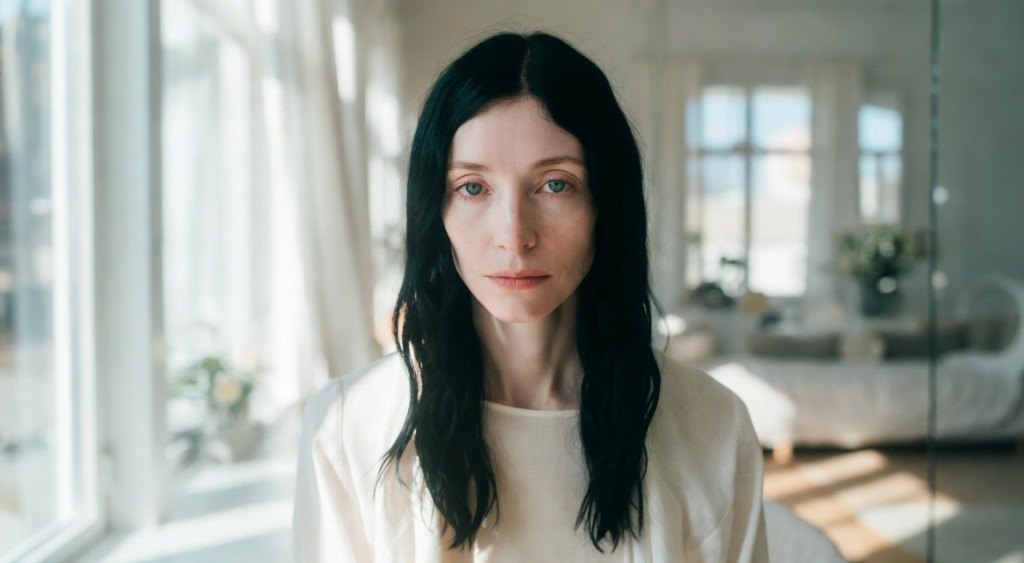
Visually, the rollout surrounding the track also reflected the album’s larger aesthetic: cold Scandinavian interiors, faded lighting, analog textures, and emotionally restrained performances that felt more observational than performative.

The Album Feels Built for 2AM Headphone Listening
Streaming culture changed the way people emotionally interact with music. Playlists are now often organized around moods instead of genres: sad music, late-night drives, loneliness, heartbreak, anxiety, nostalgia.
Few artists understand that environment better than Lykke Li. Her music consistently thrives in spaces where listeners are searching for atmosphere rather than simple entertainment.
That is a major reason why her influence quietly expanded throughout the 2020s. Even artists who sound very different sonically still borrow from the emotional architecture Li helped popularize: minimalist sadness, romantic self-destruction, dreamlike production, and emotionally restrained vulnerability.
Every Song Feels Like Emotional Debris
The album’s nine-track structure keeps the experience unusually focused compared to many modern streaming-era releases. There is very little filler. Every song feels intentionally sequenced inside the emotional arc of the record.
- “Not Gon Cry” opens the album with emotional exhaustion already fully visible.
- “Lucky Again” balances fragile optimism against quiet emotional collapse.
- “Future Fear” introduces anxiety and paranoia into the project’s atmosphere.
- “Sick Of Love” feels emotionally numb rather than dramatic.
- “Knife In The Heart” pushes the album toward darker emotional territory.
- “Euphoria” closes the record in a way that feels simultaneously beautiful and emotionally unresolved.
Unlike many modern pop albums designed around constant momentum, The Afterparty is comfortable moving slowly. The album trusts listeners to sit inside uncomfortable emotional spaces without immediately resolving them.
Could This Really Be Her Final Album?
During a private listening event held earlier this year, Li reportedly suggested that The Afterparty could become her final album. Whether that ultimately proves true or not, the project undeniably carries the emotional weight of an artist fully aware of her own legacy.
There is very little chasing trends here. Very little obvious commercial calculation. The album feels deeply personal, intentionally isolated, and emotionally uncompromising.
In an era where so much music is designed for instant reaction, The Afterparty instead asks listeners to remain inside discomfort long after the music stops.
And that lingering emotional silence may ultimately become the album’s most powerful quality.
You can also explore our full release-week feature here: The Biggest Albums Releasing on May 8, 2026
About the Author
Music Journalist
Tyler Lee is a multimedia journalist at LyricsWeb, covering live music photography and editorial features.