How TikTok Is Controlling What America Listens To in 2026
Latest News
Music Journalist
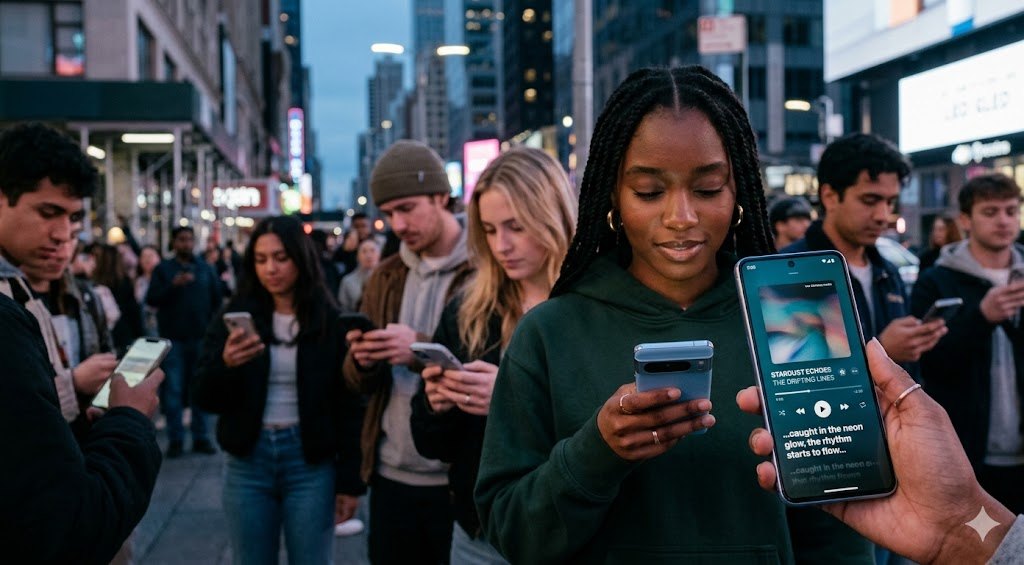
If a song isn’t on TikTok in 2026, it barely exists. That’s not an exaggeration — it’s the new reality of the music industry. Charts still matter, streaming still matters, but discovery has shifted. The first place most listeners encounter a song isn’t Spotify or Apple Music. It’s a 10-second clip on their phone.

Look at “Fortnight” by Taylor Swift featuring Post Malone. The track, part of The Tortured Poets Department, was built for replay. Not in the traditional sense — but in fragments. Short lines that feel personal. Moments that loop naturally. It doesn’t just play. It repeats.
That’s the difference in 2026. Songs aren’t built around full listens anymore. They’re built around moments people want to reuse. Fifteen seconds can carry more impact than the entire track.
And this isn’t just happening at the top of the charts. It’s shaping how new artists break through — and how older songs come back to life.
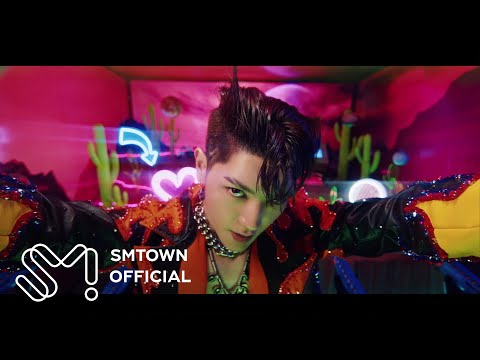
Artists like PinkPantheress understand this instinctively. Tracks like “Stateside” don’t rely on big production or dramatic builds. They feel immediate. Intimate. Almost unfinished — in a way that invites people to remix them into their own content.
That “unfinished” feeling is actually intentional. It gives users space to project their own meaning. And that’s exactly what drives virality.
The same dynamic explains why older tracks keep resurfacing. Songs don’t expire anymore. They wait.
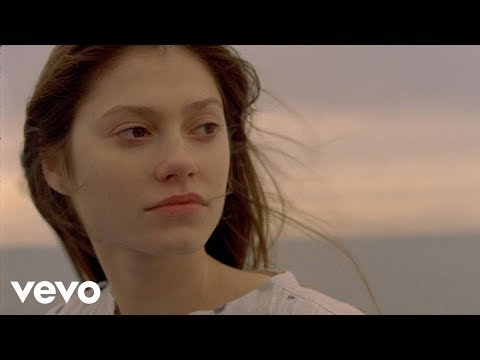
Take “Party 4 U” by Charli XCX. Released years ago, it found a completely new audience through TikTok edits — emotional clips, late-night aesthetics, slow-motion visuals. Nothing about the song changed. The context did.
That’s the key shift. Music isn’t tied to release cycles anymore. It’s tied to moments. And moments can happen at any time.
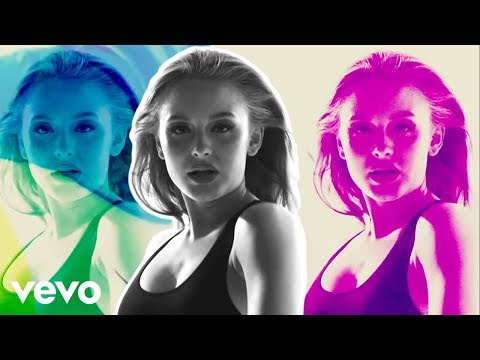
Even tracks like “Lush Life” by Zara Larsson have seen renewed attention — not through marketing, but through viral usage.
And this isn’t about choreography anymore. The biggest TikTok trends in 2026 aren’t dance-driven. They’re emotional. People aren’t asking, “Can I dance to this?” They’re asking, “Does this feel like something I’ve lived?”
That’s why mood matters more than genre. A track doesn’t need to fit into a category — it needs to fit into a feeling. Late-night drives. Breakups. Nostalgia. Quiet confidence. These are the contexts where songs live now.
This also explains why production is changing. Songs are getting cleaner. More space. Fewer layers. The vocal is the priority — because that’s what carries emotion in a short clip.
At the same time, artists are thinking differently about structure. The strongest moment often comes earlier. Hooks aren’t just for radio anymore — they’re for the first few seconds of a video.
But the biggest shift isn’t technical. It’s behavioral.
Listeners aren’t passive anymore. They’re participants. They decide which part of a song matters. They decide how it’s used. And ultimately, they decide whether it spreads.
That creates a feedback loop. A clip gains traction. More people use it. The algorithm amplifies it. Suddenly the song is everywhere — even if it never had a traditional push.
For platforms like LyricsWeb, this changes the entire user journey. People don’t search for lyrics after they fall in love with a song. They search while they’re still figuring it out.
They hear one line. They look it up. They want context immediately.
That’s why a page for Fortnight isn’t just a destination. It’s part of the discovery process. The same goes for Stateside or Party 4 U. The lyric is the entry point — not the end.
There’s also a new layer emerging. Music is becoming functional. People use songs to set a tone, shift a mindset, or reinforce a feeling. It’s not just listening — it’s application.
And that behavior feeds directly back into TikTok. A song that works in multiple emotional contexts travels further. It gets reused more. It stays relevant longer.
That’s what success looks like now. Not just streams. Not just chart positions. But presence. How often a song appears in people’s lives — across different moments, different moods, different stories.
Artists who understand this are building music that moves — not just sonically, but culturally.
Because in 2026, a song doesn’t win because people hear it.
It wins because people use it.
About the Author
Music Journalist
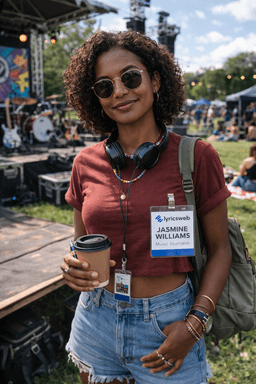
Jasmine Williams covers festival culture, indie music, and genre-crossing artists for LyricsWeb with a warm, culturally aware voice.