Bad Bunny’s Super Bowl LX Halftime Show Review: A Radical Act of Joy
Latest News

Senior Music Editor
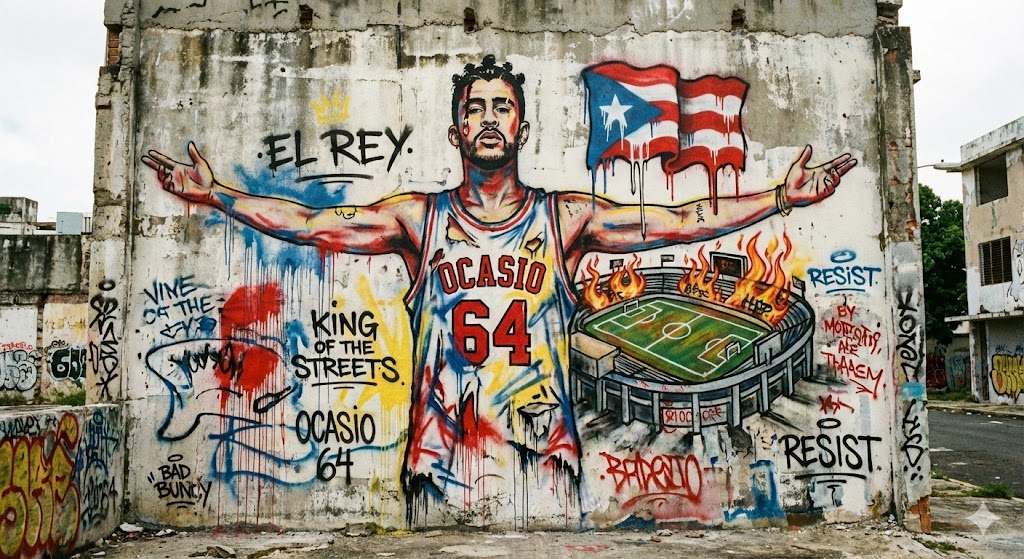
It took exactly 13 minutes for Bad Bunny to dismantle the traditional Americana of the Super Bowl and rebuild it in his own image. Last night at Levi’s Stadium, amidst the corporate glitz of Super Bowl LX, Benito Antonio Martínez Ocasio didn’t just perform; he staged a takeover. Wearing a custom white jersey emblazoned with "OCASIO" and the number 64, he turned the NFL’s biggest night into a vibrant, defiant celebration of Puerto Rican culture that felt less like a halftime show and more like a block party at the end of the world.

Watch the official video for "Tití Me Preguntó," the smash hit that opened the historic set.
Kicking off with the explosive drums of Tití Me Preguntó, Benito emerged not from a trapdoor, but by crashing through the roof of a "La Casita" set piece—a visual metaphor that was as subtle as a sledgehammer. For an artist who has spent the last year feuding with the political right, this was a statement. While Turning Point USA streamed their "All-American" counter-programming with Kid Rock to a meager online audience, the real world was watching Benito parade a troupe of cabezudos (traditional big-headed puppets) across the 50-yard line.
The Gaga Surprise and The Salsa Pivot
The rumors were true, but the execution was unpredictable. When Lady Gaga appeared, she wasn’t there to steal the spotlight with a pop anthem. Instead, she joined Benito for a salsa-infused rendition of Die With a Smile, her chemistry with the Latin trap king undeniable. It was a moment of pure musical diplomacy, bridging the gap between Little Monsters and fervent Conejo Malo fans.
But the night’s emotional peak came with the arrival of Ricky Martin. The two generations of Puerto Rican stardom united for Lo Que Pasó a Hawaii, before the stadium plunged into darkness for El Apagón. As the lights flickered—a stark reference to Puerto Rico’s power grid crisis—the field was illuminated solely by thousands of LED wristbands forming the Puerto Rican flag. It was a moment of chills-inducing activism that surely had network executives sweating.
A "Terrible Choice" or a Cultural Victory?
The backlash was instant. Former President Trump took to Truth Social to call the performance a "terrible choice" that "sows hatred," while conservative pundits critiqued the lack of English. But to focus on the detractors is to miss the point. Bad Bunny didn’t play for them. He played for the kids in San Juan, the diaspora in the Bronx, and the global Gen Z audience that demands authenticity over assimilation.
By the time he closed with Después de la Playa, with a surprise tribute nod to Daddy Yankee's Gasolina woven into the mix, the message was clear: The future of pop is global, it is Spanish-speaking, and it is unapologetically political.
About the Author