Wojciech Kilar: Scoring Cinematic Dreams That Still Haunt
Wojciech Kilar might not be a household name blasted on TikTok, but his scores? Legendary. Think spine-chilling dread from *Bram Stoker's Dracula* or the sweeping romance of *The Portrait of a Lady*. His music doesn't just underscore scenes; it becomes them. Kilar's compositions have a way of worming into your subconscious, proving that classical music still has major main-character energy.
Kilar's impact stretches far beyond the silver screen. Composers today still sample his eerie soundscapes and emotionally charged melodies. He's the composer's composer, a low-key icon who continues to influence how we experience film. Kilar's work ensures he remains relevant long after his passing.
Introduction & Current Status
Even though Wojciech Kilar passed away in 2013, his music is far from forgotten. His scores continue to be discovered by new generations through streaming platforms and TikTok remixes. The emotional depth and haunting beauty of his compositions ensure their timeless appeal. His work is constantly being re-evaluated and celebrated.
Kilar's scores have earned cult status. His compositions remain a touchstone for filmmakers seeking to evoke powerful emotions. You'll find his music in indie flicks and blockbuster trailers alike. The composer's influence can be felt across genres, proving the lasting impact of his genius.
From the chilling strains of horror to the tender melodies of romance, Kilar's music continues to resonate. His ability to capture the essence of a scene is unparalleled. That's why his work remains essential listening for anyone who cares about film music. It's the definition of 'if you know, you know'.
Early Life & Background
Wojciech Kilar was born in Lviv, Ukraine, in 1932. His early life was steeped in classical music. His mother was a piano teacher, nurturing his talent from a young age. This exposure ignited a passion that would define his life.
Kilar studied piano and composition at the State Higher School of Music in Katowice. He absorbed influences from classical masters like Chopin and Rachmaninoff. He also drew inspiration from Polish folk music. This blend of influences shaped his unique musical voice.
His upbringing during a tumultuous period in European history also profoundly impacted him. War and displacement shaped his worldview. He channeled these experiences into his emotionally resonant compositions. This history added layers of depth to his work. He wasn't just writing music; he was telling stories.
Career Beginnings
Kilar's career took off in the 1950s and 60s. He initially focused on composing avant-garde classical pieces. These early works showcased his experimental spirit. He was pushing boundaries and exploring new sonic territories.
He quickly gained recognition in Polish music circles. His innovative compositions earned him critical acclaim. However, it was his entry into film scoring that truly launched his international career. This shift allowed him to reach wider audiences.
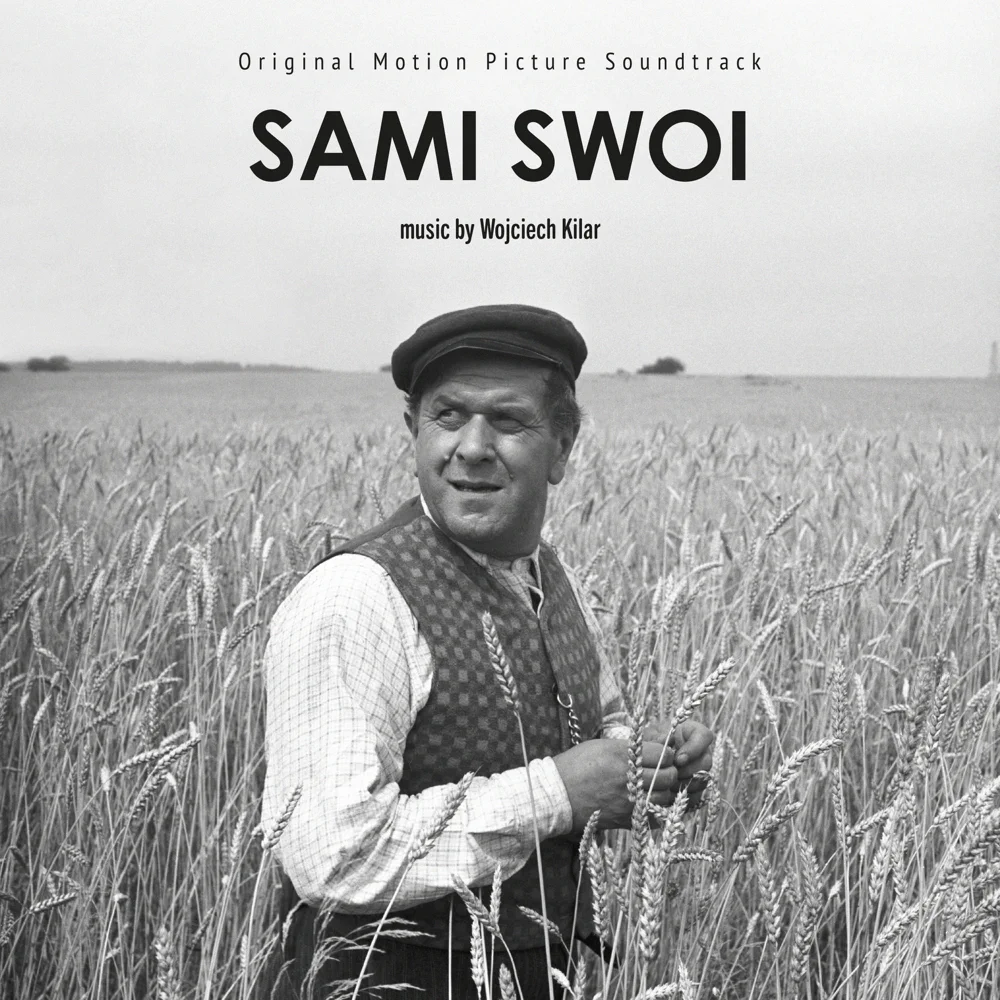
Collaborations with prominent Polish directors helped him hone his skills. He learned to craft music that enhanced storytelling. His breakthrough came with films like *Sami swoi*. This early work demonstrated his ability to capture the heart of a film. You can hear that early brilliance in tracks like Sami swoi - Czołówka, Sami swoi - Peron, and Sami swoi - Krowa / Trzy palce. The Sami swoi (Original Motion Picture Soundtrack) remains a testament to his early genius.
Major Albums & Discography
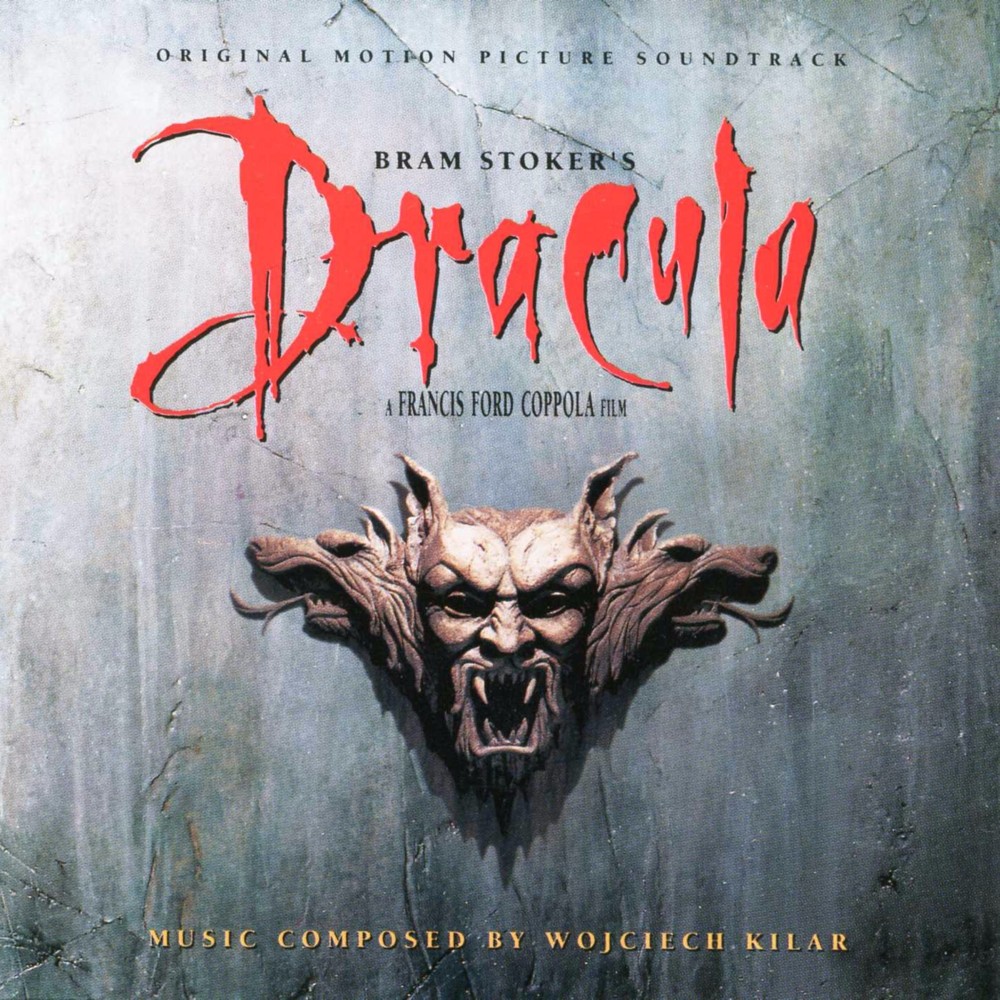
Kilar's discography is diverse. It includes concert works, ballets, and, of course, film scores. *Bram Stoker's Dracula* stands out as a landmark achievement. The score is iconic for its gothic intensity. It perfectly complements the film's atmosphere.
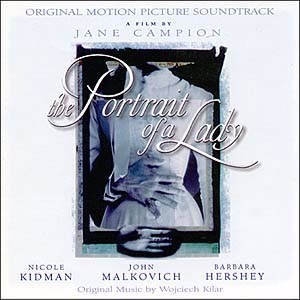
The Portrait of a Lady (Original Motion Picture Soundtrack) showcases Kilar's range. It features lush, romantic melodies. The score captures the emotional complexity of the film. Tracks like The Portrait of a Lady exemplify his skill in conveying deep emotion through music.
The Ninth Gate (Original Film Soundtrack) reveals Kilar's talent for suspense. The score is understated yet deeply unsettling. It creates an atmosphere of mounting dread. You can hear this in Vocalise - Theme From the Ninth Gate.
His work on Bram Stoker's Dracula (Original Motion Picture Soundtrack) cemented his place in film history. The album is a masterpiece of gothic horror scoring. It remains a touchstone for composers in the genre. It's the kind of score that gets under your skin in the best way possible.
Hit Songs & Signature Tracks
While Kilar primarily composed film scores, several themes have achieved standalone recognition. The main theme from *Bram Stoker's Dracula* is instantly recognizable. Its haunting melody evokes images of gothic horror. It's a certified banger for spooky season.
Vocalise - Theme From the Ninth Gate is another standout track. Its ethereal beauty is both captivating and unsettling. It's the kind of music that lingers in your mind long after you've heard it.
His score for *The Portrait of a Lady* features several memorable themes. These themes perfectly capture the film's romantic and tragic elements. Prologue: My Life Before Me sets the tone for the entire film.
Even pieces from *Sami swoi* have found a dedicated following. Tracks like Sami swoi - Nowy dom and Sami swoi - Kłótnia showcase his versatility. These pieces demonstrate his ability to write music that is both beautiful and emotionally resonant. And, of course, there's Sami swoi - Jadźka i Witia I, a total vibe.
Collaborations & Features
Kilar collaborated with numerous prominent directors throughout his career. His work with Roman Polanski is particularly noteworthy. Their collaboration on *The Ninth Gate* produced a truly memorable score.
He also worked with Francis Ford Coppola on *Bram Stoker's Dracula*. This collaboration resulted in one of the most iconic horror scores of all time. It solidified Kilar's reputation as a master of film music.
Kilar's ability to adapt to different directors' styles made him a sought-after composer. His willingness to experiment allowed him to create unique and unforgettable scores. He approached each project with fresh eyes and a commitment to excellence.
Awards & Achievements
Wojciech Kilar received numerous awards and accolades throughout his career. He won the Polish Film Award for Best Film Score multiple times. His contributions to Polish cinema were widely recognized. These awards celebrated his artistic achievements.
He also received international recognition for his work. His score for *Bram Stoker's Dracula* earned him a Saturn Award. This award acknowledged his contribution to the horror genre. It remains a high point in his career.
Kilar's music has been performed by leading orchestras around the world. His concert works have been praised for their originality and emotional depth. He's not just a film composer; he's a serious classical artist. He even reinterpreted classics like Schubert: Impromptu in G-flat (D. 899, No. 3).
Personal Life
Wojciech Kilar was known for his humility and dedication to his craft. He lived a relatively private life outside of his work. He preferred to let his music speak for itself. He was a man of few words but immense talent.
He was a devout Catholic. His faith influenced his music and his worldview. This spiritual dimension is evident in many of his compositions. It adds another layer of depth to his work. Many believe that this faith informed his artistic choices.
Musical Style & Influence
Kilar's musical style is characterized by its emotional intensity and melodic beauty. He blended classical traditions with modern sensibilities. His scores are both accessible and sophisticated. This unique blend is what sets him apart.
He drew inspiration from composers like Penderecki and Lutosławski. He also incorporated elements of Polish folk music into his work. This fusion of influences created a distinctive sonic landscape. It's a sound that is both familiar and unique.
Kilar's influence can be heard in the work of contemporary film composers. His scores have inspired a new generation of artists. His legacy as a master of film music is secure. He's a true OG in the world of cinematic sound.
Recent Work & What's Next
Although Wojciech Kilar passed away in 2013, his music continues to be celebrated and rediscovered. His scores are frequently performed in concert halls around the world. New recordings of his works are constantly being released. His art lives on.
His influence on contemporary film music remains profound. Composers continue to draw inspiration from his innovative techniques. His legacy as one of the great film composers of the 20th century is assured. He's the gift that keeps on giving.