Introduction & Current Status
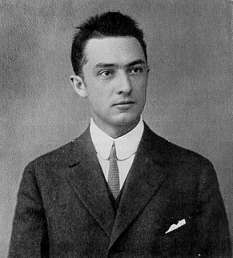
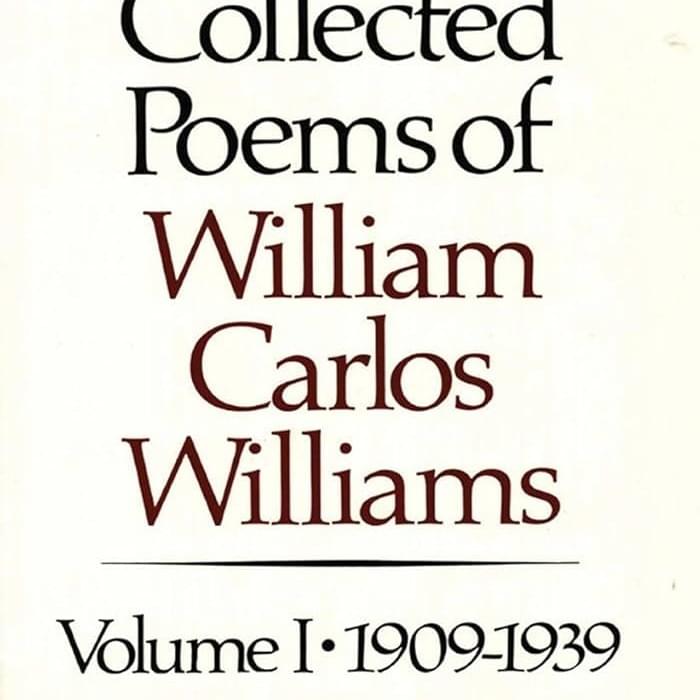
William Carlos Williams might not be topping the Billboard charts today, but his poetic verses? Still low-key iconic. This dude was dropping truth bombs about everyday life way before your fave influencer was even born. We're talking about a legit literary OG whose work continues to resonate with anyone who's ever felt like an outsider looking in. His poems are short, punchy, and surprisingly relevant to the chaos of modern existence.
Think of Williams as the poet laureate of the mundane. While other poets were busy waxing poetic about nature and romance, Williams was highlighting the beauty in, like, a red wheelbarrow. That's main character energy right there. He proved that poetry could be about anything and everything, which is why his influence is still felt in contemporary art and literature.
Basically, William Carlos Williams is the reason your English teacher isn't just assigning you dusty old sonnets. He's the bridge between classic literature and the poetry slams of today. So, yeah, he still matters. Big time.
Early Life & Background
Born in Rutherford, New Jersey, in 1883, William Carlos Williams was a true product of the American melting pot. His father was an English immigrant, and his mother hailed from Puerto Rico, giving him a unique perspective on American culture from the jump. Growing up in a multilingual household definitely shaped his ear for language and his ability to capture the rhythms of everyday speech in his poetry.
Williams bounced between the U.S. and Europe during his formative years, soaking up artistic influences from both continents. He studied medicine at the University of Pennsylvania, where he met Ezra Pound and Hilda Doolittle (H.D.), two other literary heavyweights who would become lifelong friends and collaborators. This early exposure to the avant-garde scene in Philadelphia set the stage for his revolutionary approach to poetry.
But here's the kicker: Williams wasn't just a poet; he was also a practicing physician. For over 40 years, he delivered babies and treated patients in his hometown of Rutherford, balancing his medical career with his writing. This unique double life gave him unparalleled access to the raw, unfiltered realities of human existence, which he then channeled into his work.
Career Beginnings
While juggling his medical practice, Williams relentlessly pursued his literary ambitions. His early work showed promise, but it wasn't until he started to embrace a more experimental style that he really found his voice. He became a key figure in the Imagist movement, which emphasized clarity, precision, and the use of everyday language. Think of it as the poetic equivalent of a minimalist aesthetic.
Williams's breakthrough came with the publication of *Kora in Hell: Improvisations* in 1920. This collection of prose poems was a wild, freewheeling experiment in stream-of-consciousness writing. It was weird, it was messy, but it was also undeniably original. Critics were divided, but the book established Williams as a force to be reckoned with in the literary world.
His connection with other artists was crucial. Ezra Pound, despite their later disagreements, championed Williams's work early on. The encouragement and intellectual sparring with fellow writers helped him hone his craft and push the boundaries of what poetry could be. His commitment to capturing the American vernacular was a direct challenge to the more formal, European-influenced poetry of the time.
Major Albums & Discography
(No albums available.)
Hit Songs & Signature Tracks
Okay, so Williams didn't exactly drop albums, but his poems? Total bangers. The crowd at the ball game is a masterclass in capturing the energy of a sporting event. It's like he bottled the feeling of being in the stands with a cold beer and a hot dog. Then there's The Yachts, a poem that throws shade at the wealthy elite with some seriously sharp imagery.
Don't sleep on The Descent either. This one's a bit darker, exploring the complexities of human experience and the inevitability of change. For something totally different, check out Smell, it's all about the power of scent to evoke memories and emotions. Very Proust, but make it American.
To Elsie- is another essential. It's a poignant meditation on beauty, loss, and the fleeting nature of life. St. Francis Einstein of the Daffodils is a trip – a playful yet profound exploration of science, religion, and the natural world. It's peak Williams, mixing highbrow and lowbrow culture with effortless cool. And who could forget Blizzard? It's a snapshot of a winter storm, vivid and immediate, like a Polaroid of a moment in time. Finally, The Yellow Flower offers a simple yet powerful image, highlighting Williams's ability to find beauty in the everyday.
These aren't just poems; they're cultural artifacts. They're snapshots of a specific time and place, but they also speak to universal human experiences. That's why they continue to resonate with readers today.
Collaborations & Features
While Williams wasn't exactly doing collabs with pop stars, he was deeply involved in the literary scene of his time. He worked closely with other poets, artists, and intellectuals, exchanging ideas and pushing each other to experiment. His relationships with Ezra Pound and H.D. were particularly important, shaping his artistic development and helping him find his voice.
He also collaborated with visual artists, incorporating their work into his poems and essays. This interdisciplinary approach was ahead of its time, anticipating the multimedia art forms of the 21st century. Williams understood that art didn't exist in a vacuum and that the most exciting work happened at the intersection of different disciplines.
Think of him as the ultimate hype man for the avant-garde. He was always championing new voices and pushing the boundaries of what was considered acceptable in the art world. His influence can be seen in the work of countless writers and artists who followed in his footsteps.
Awards & Achievements
Okay, so Williams didn't rack up a ton of Grammy Awards, but he did snag a Pulitzer Prize for his epic poem *Paterson* in 1963. This was a major validation of his life's work and a recognition of his contribution to American literature. He also received the National Book Award for Poetry in 1950, further solidifying his status as a literary icon.
But his greatest achievement wasn't any specific award; it was his impact on the way we think about poetry. He democratized the art form, making it accessible to everyday people and proving that poetry could be about anything and everything. He broke down the barriers between high culture and low culture, paving the way for a new generation of poets who weren't afraid to experiment and take risks.
His influence is still felt today. Countless writers cite him as an inspiration, and his poems are taught in schools and universities around the world. He may not be a household name like Beyoncé, but in the literary world, he's a bonafide legend.
Personal Life
Williams was married to his wife, Florence, for over 50 years. Their relationship was a source of stability and support throughout his long and productive career. They had two sons, William Eric and Paul, who followed in their father's footsteps by pursuing careers in medicine and the arts.
Beyond his writing and medical practice, Williams was active in his local community. He served as the health officer for Rutherford, New Jersey, and was involved in various civic organizations. He believed that it was important to give back to the community that had supported him throughout his life. He was a man of the people, through and through.
Musical Style & Influence
Williams's style is all about capturing the rhythms of everyday speech. He used short lines, simple language, and vivid imagery to create poems that were both accessible and profound. He was heavily influenced by the Imagist movement, which emphasized clarity, precision, and the use of concrete details. But he also developed his own unique voice, one that was distinctly American.
He drew inspiration from a wide range of sources, from the poetry of Walt Whitman to the paintings of the Impressionists. He was always looking for new ways to express himself and to capture the essence of the American experience. His work has influenced countless writers, including Allen Ginsberg, Jack Kerouac, and Adrienne Rich.
Williams's legacy extends far beyond the literary world. His emphasis on the everyday and his celebration of the ordinary have resonated with artists in all disciplines. He showed us that beauty can be found in the most unexpected places and that poetry can be a powerful tool for social change.
Recent Work & What's Next
While William Carlos Williams is no longer with us, his work continues to be celebrated and reinterpreted by new generations of readers and artists. His poems are frequently anthologized and taught in schools, ensuring that his voice remains relevant in the 21st century. There are always new editions and critical analyses of his work popping up, proving that his influence isn't fading anytime soon.
Fans can expect continued exploration of his themes in contemporary art and literature. His focus on the everyday, the American vernacular, and the beauty of the mundane continues to inspire artists seeking to break down barriers and connect with audiences on a deeper level. Williams's legacy is secure, and his work will continue to challenge and inspire for years to come.