Introduction & Current Status
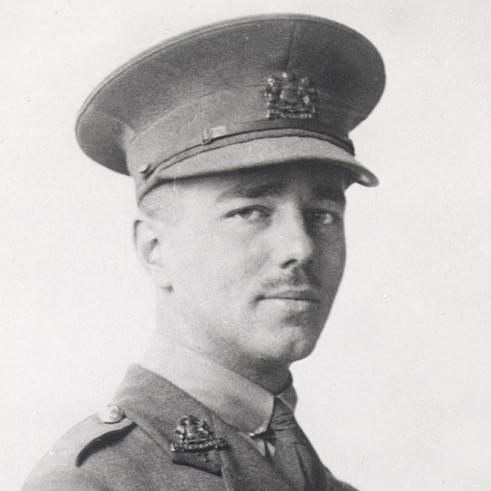
Wilfred Owen isn't exactly topping the charts these days, but his words? Still slapping. A century after his death, Owen's poetry remains brutally relevant. He's the patron saint of anyone who's ever side-eyed a recruitment poster, the poet laureate of disillusioned youth.
His unflinching depictions of World War I trench warfare cut through propaganda like a hot knife through butter. Owen's influence echoes through modern anti-war movements and, honestly, any time someone drops a truth bomb about the realities of conflict. His work has seen a resurgence in popularity, influencing artists and activists alike who find resonance in his raw, honest portrayals of war's devastating impact. Plus, with war never seeming to leave the headlines, Owen's voice remains a necessary gut-punch of reality.
Early Life & Background
Born in 1893 in Oswestry, Shropshire, England, Wilfred Owen's early life was steeped in religious devotion and a budding appreciation for literature. His family, though not wealthy, valued education and encouraged his intellectual pursuits. From a young age, Owen was drawn to poetry, devouring the works of Keats and Shelley, whose Romantic sensibilities would later be subverted by his own stark realism.
He spent time as a lay assistant to a vicar, an experience that exposed him to poverty and social inequality. This, coupled with his deep sensitivity, likely contributed to his growing unease with societal norms. Owen's move to France to teach English before the war further broadened his horizons, setting the stage for the seismic shift that would define his life and work.
Career Beginnings
Owen's pre-war literary ambitions were fairly typical for a young poet of his time – romantic, idealistic, and somewhat detached from harsh realities. He dabbled in poetry, but it wasn't until the horrors of the trenches that his voice truly found its power. Enlisting in the army in 1915, Owen initially held patriotic sentiments, but those illusions were quickly shattered by the brutal realities of the Western Front.
His experiences at war, including being diagnosed with shell shock (now known as PTSD), led him to meet fellow poet Siegfried Sassoon at Craiglockhart War Hospital. Sassoon became a mentor and a major influence, encouraging Owen to channel his trauma into poetry. This mentorship was pivotal in shaping Owen's distinctive voice – a voice that spoke with unflinching honesty about the physical and psychological devastation of war. It was here that he started work on poems like Strange Meeting and Anthem for Doomed Youth.
Major Albums & Discography
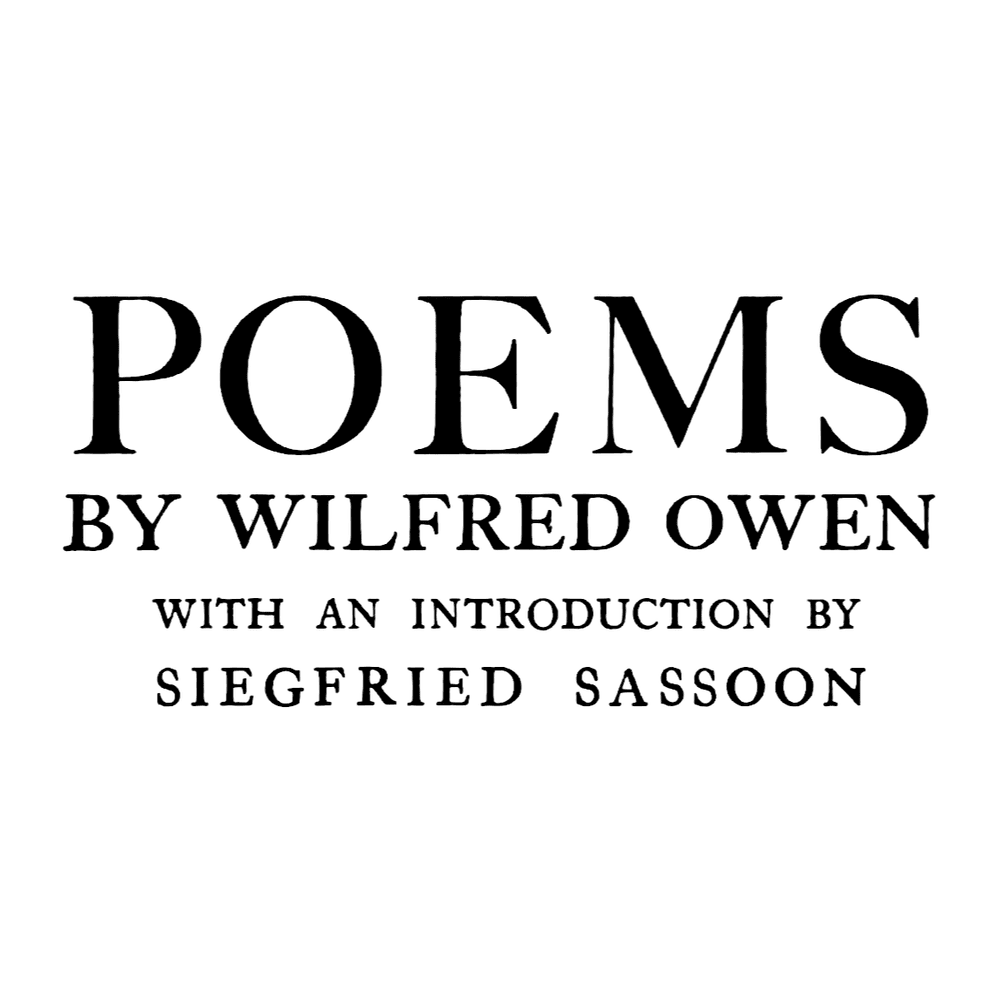
Okay, so Wilfred Owen wasn't exactly dropping albums in the traditional sense. His legacy lies in his collected poems, most famously compiled in Poems by Wilfred Owen, published posthumously. This collection is basically his greatest hits album, a raw and unflinching exploration of war's physical and psychological toll.
This collection cemented his status as a major voice in war literature. Poems by Wilfred Owen is more than just a compilation; it's a testament to the power of poetry to bear witness to unspeakable truths. The album showcases Owen's evolution from a romantic poet to a stark realist, his voice growing increasingly urgent and defiant in the face of unimaginable suffering.
Hit Songs & Signature Tracks
While Owen didn't have "hits" in the Billboard sense, certain poems resonate with readers even now. Anthem for Doomed Youth is basically the anti-war anthem, a gut-wrenching elegy for the young men slaughtered in battle. Dulce et Decorum Est (not in available songs - no link) is another essential track, painting a vivid and horrifying picture of a gas attack.
Strange Meeting offers a surreal and haunting encounter between soldiers in the afterlife, exploring themes of shared humanity and the futility of war. The Parable of the Old Men and the Young presents a chilling allegory of sacrifice. Apologia pro Poemate Meo is a powerful statement on the poet's duty to bear witness. Even lesser-known works like The Show and Mental Cases deliver visceral punches.
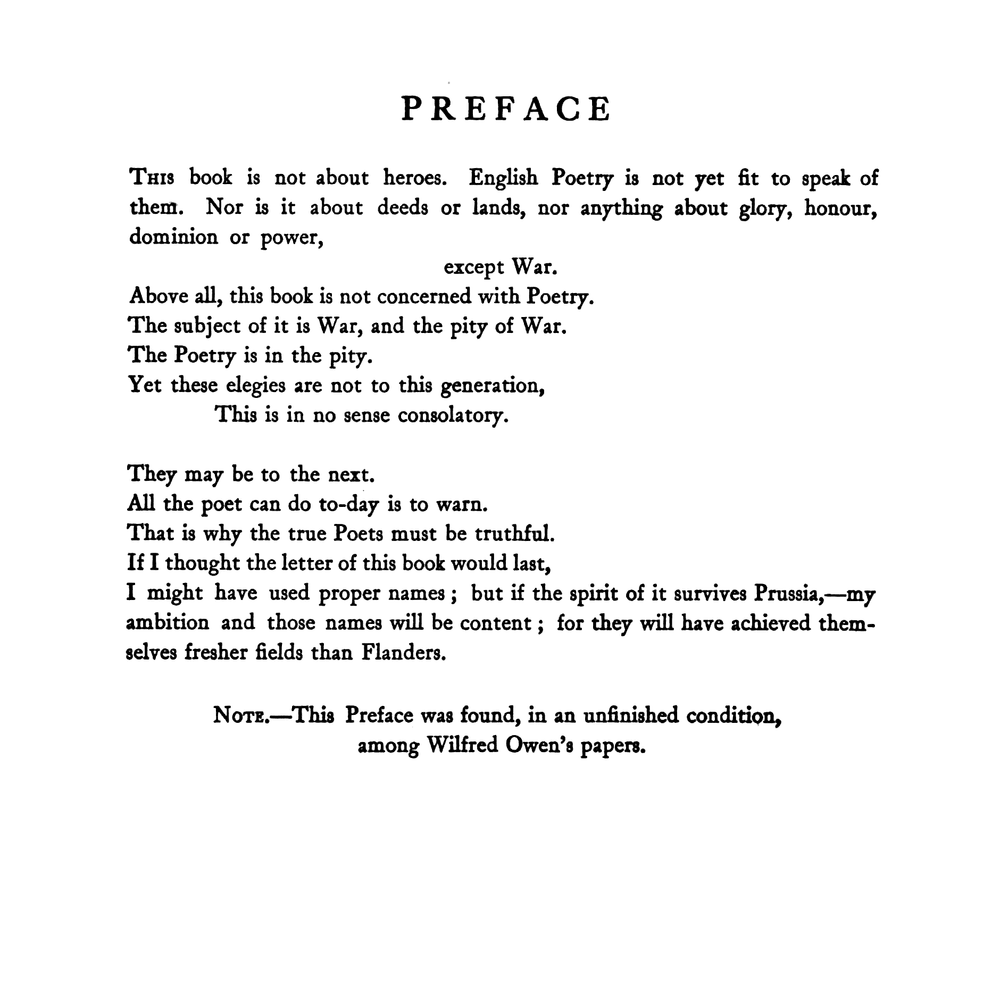
Greater Love explores the distortion of traditional concepts of love in the context of war. The Send-Off captures the heartbreaking farewells of soldiers departing for the front. Arms and the Boy is a disturbing exploration of the innocence lost to war. Preface sets the tone for his collection, emphasizing truth and the poet's role as a witness.
Collaborations & Features
While Owen didn't do traditional collaborations, his relationship with Siegfried Sassoon was a creative partnership of sorts. Sassoon's mentorship and critiques heavily influenced Owen's work. They were basically the OG sadboi poet dream team, workshopping verses in between therapy sessions.
Owen also drew inspiration from other war poets and artists, creating a network of voices challenging the romanticized view of conflict. Though not formal collaborations, these connections amplified the message of anti-war sentiment and the shared trauma experienced by soldiers.
Awards & Achievements
Owen didn't rack up Grammy Awards or MTV Moonmen – he was fighting in a trench, not chasing clout. His achievements are measured in the enduring impact of his words. He's considered one of the most important war poets in the English language, and his work is studied in schools and universities worldwide.
His poems have been adapted into films, plays, and musical compositions, ensuring his voice continues to reach new audiences. The raw emotional power and unflinching honesty of his poetry have earned him a permanent place in literary history. He is forever immortalized by his stark and brutally honest portrayal of the horrors of war.
Personal Life
Owen's personal life was intensely private. While details are scarce, his letters reveal a deep sensitivity and a growing disillusionment with the war. He was killed in action just days before the Armistice in 1918, a tragic end to a life dedicated to bearing witness to the horrors of conflict.
Beyond his poetry, little is publicly known, adding to the mystique surrounding this iconic figure. His legacy rests primarily on his profound literary contributions, which continue to shape our understanding of war and its devastating effects on the human psyche.
Musical Style & Influence
Okay, so "musical style" is a bit of a stretch, but Owen's poetry definitely has a rhythm and cadence all its own. His use of pararhyme (near rhyme) creates a sense of unease and dissonance, mirroring the psychological trauma of war. Think of it as the sonic equivalent of a distorted guitar riff.
Owen's influence can be heard in countless artists who explore themes of war, trauma, and social injustice. From protest singers to hip-hop artists, his unflinching honesty continues to inspire those who use their art to challenge power and bear witness to uncomfortable truths. He paved the way for future generations of poets and writers to explore the darker sides of human experience with unflinching honesty.
Recent Work & What's Next
Wilfred Owen isn't exactly dropping new tracks these days (RIP), but his work continues to be rediscovered and reinterpreted. New editions of his poems are constantly being published, and his influence can be seen in contemporary art and activism. His message of anti-war sentiment and the importance of bearing witness remains eternally relevant.
With ongoing conflicts around the globe, Owen's poetry serves as a stark reminder of the human cost of war. His words continue to challenge us to confront the realities of violence and strive for a more peaceful world. He remains a vital voice in the ongoing conversation about war, peace, and the human condition.