Introduction & Current Status
Warda Al-Jazairia, simply known as Warda, remains a towering figure in Arabic music. Her songs are timeless classics still resonating across generations. Even years after her passing, Warda's influence is undeniable. Her tracks rack up streams, sampled by new artists, and covered by hopefuls aiming for even a fraction of her legendary status.
She wasn't just a singer; she was a cultural icon. Warda embodied a spirit of romance, patriotism, and resilience. Her music provides the soundtrack to decades of Arab life. That's why even now, mentioning her name evokes a sense of nostalgia and profound respect.
Early Life & Background
Warda was born in 1939 in Puteaux, France, to an Algerian father and a Lebanese mother. Growing up in France, she was immersed in both Arabic and Western cultures. This blend would later inform her unique musical style. Her father owned a cabaret called Le Tam-Tam. This gave Warda early exposure to the world of music and performance.
Her childhood was intertwined with the Algerian struggle for independence. This deeply affected her. Her early performances often supported the cause. Her passion for her heritage became a defining characteristic, shaping not only her art but also her identity.
Career Beginnings
Warda's career began in France, singing in her father's cabaret. She quickly gained attention for her powerful voice and captivating stage presence. However, her involvement with the Algerian independence movement led to complications. She briefly stopped performing during the height of the conflict.
After Algeria gained independence in 1962, Warda returned to her homeland. President Houari Boumediene invited her to sing the national anthem at a celebration. This marked a turning point. It cemented her status as a national treasure. Egyptian composer Mohamed Abdel Wahab played a crucial role in furthering her career. He recognized her talent and helped her move to Egypt.
Egypt became Warda's adopted home and the center of her artistic endeavors. It was there that she truly blossomed into a superstar. Her early collaborations with renowned composers and lyricists set the stage for her meteoric rise.
Major Albums & Discography
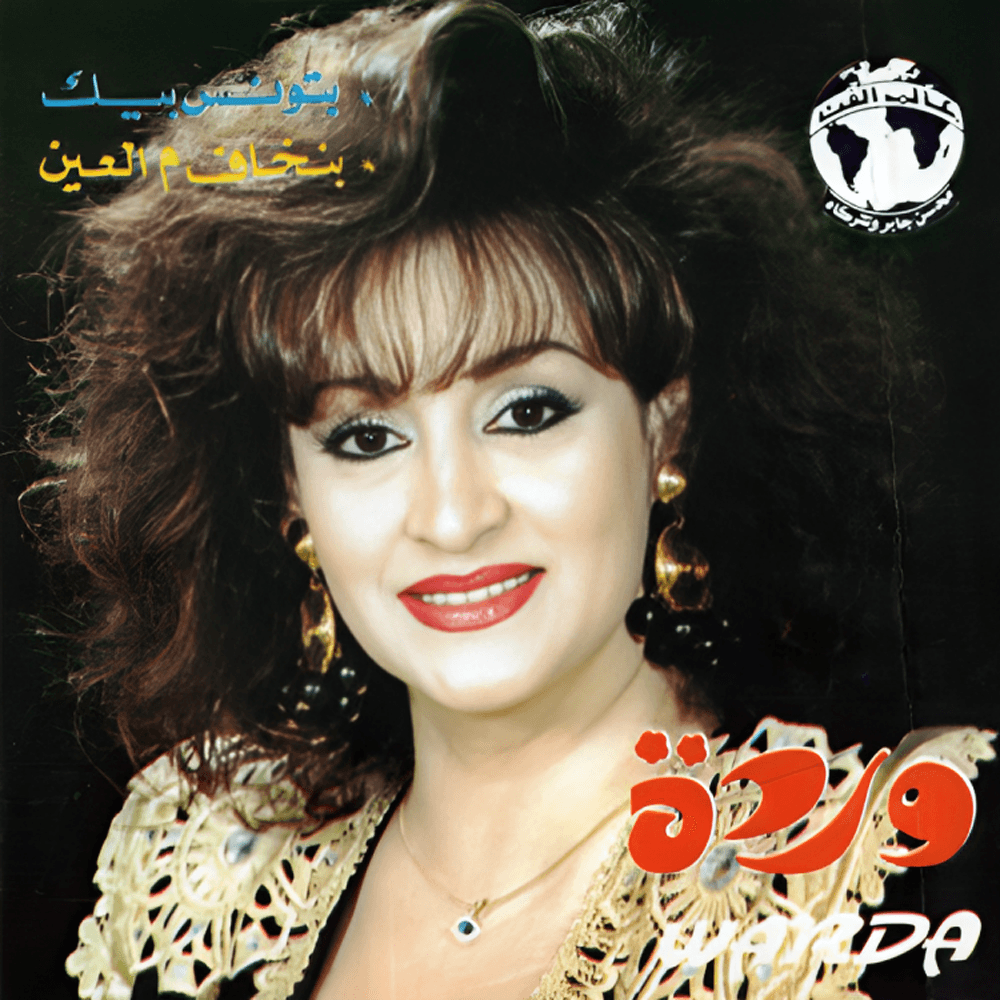
Warda's discography is a treasure trove of classic Arabic songs. Her albums showcased her versatility and her ability to connect with audiences on a deeply emotional level. Batwanes Beek - بتونس بيك is arguably one of her most iconic works. It features the title track and other beloved songs.
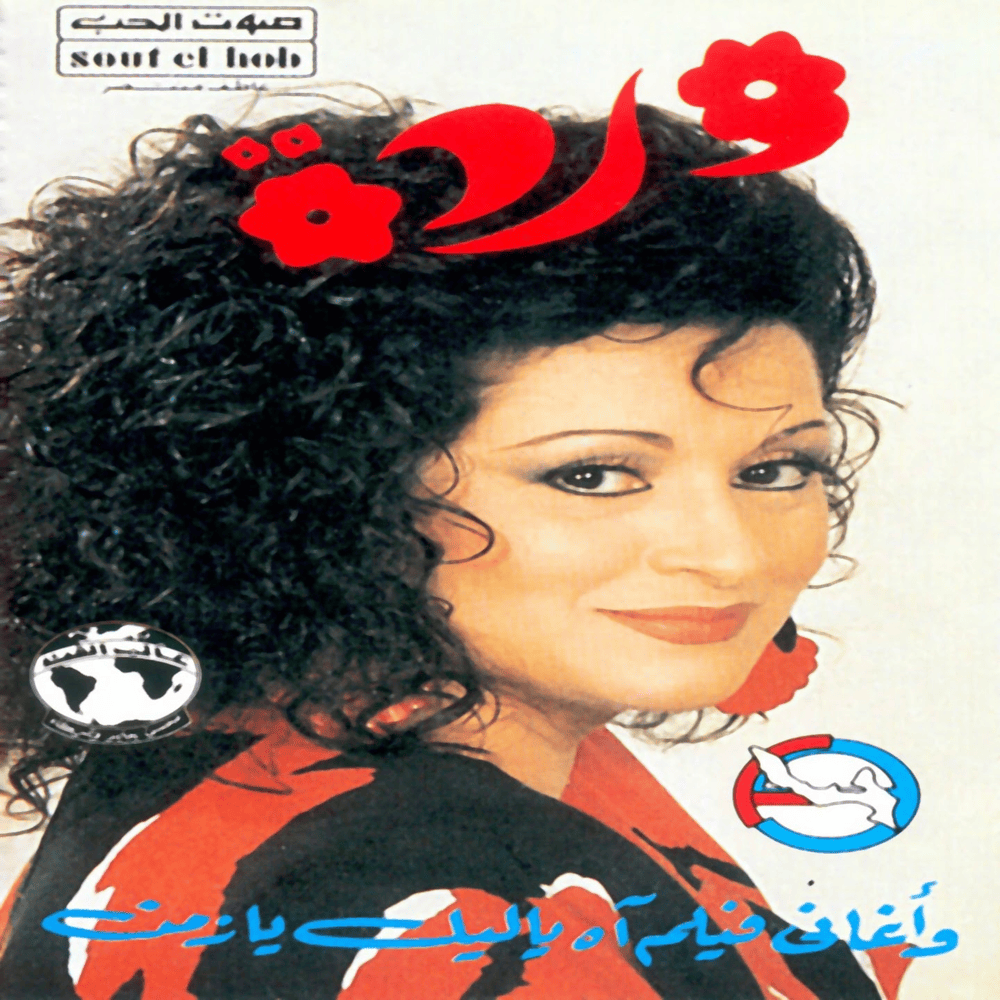
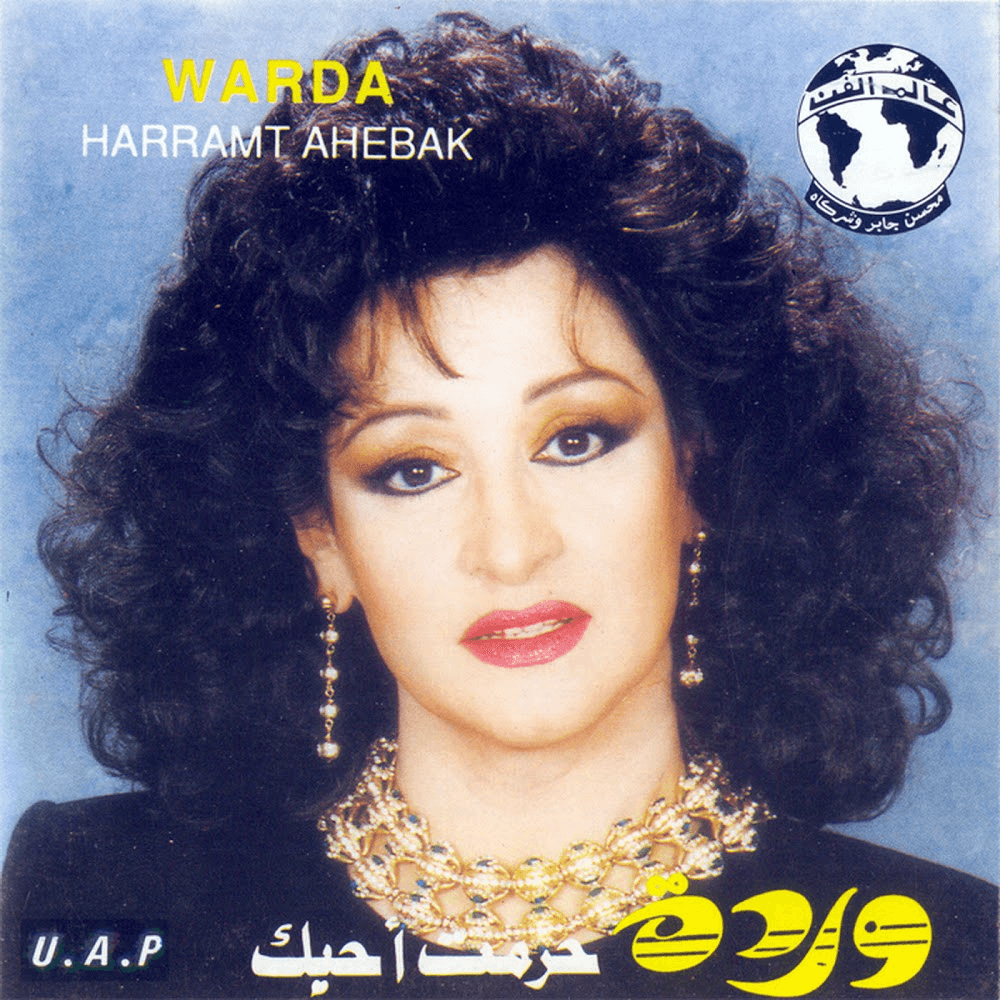
Ah Ya Lael Ya Zaman - آه يا ليل يا زمن captured a more contemporary sound. Meanwhile, Haramt Ahebak - حرمت أحبك is a testament to her enduring popularity. Her collaborations with the biggest names in Arabic music elevated her albums to legendary status.
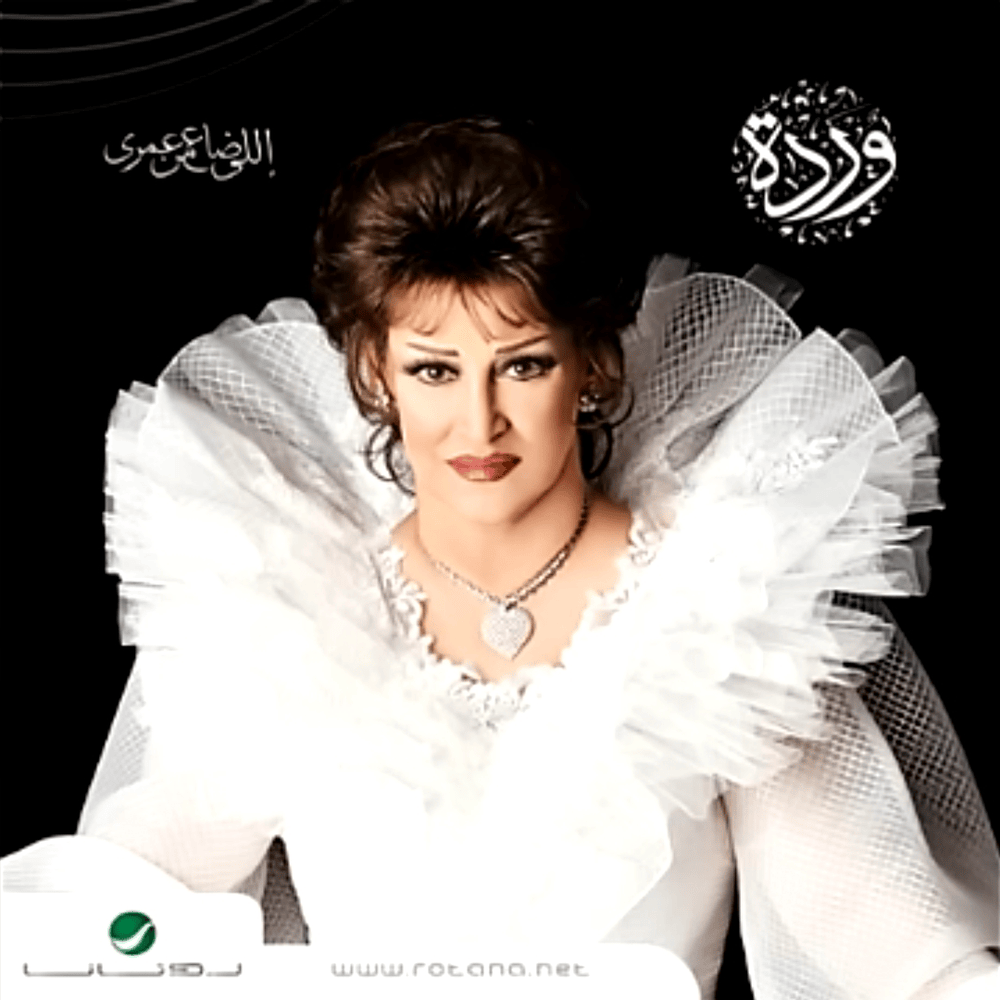
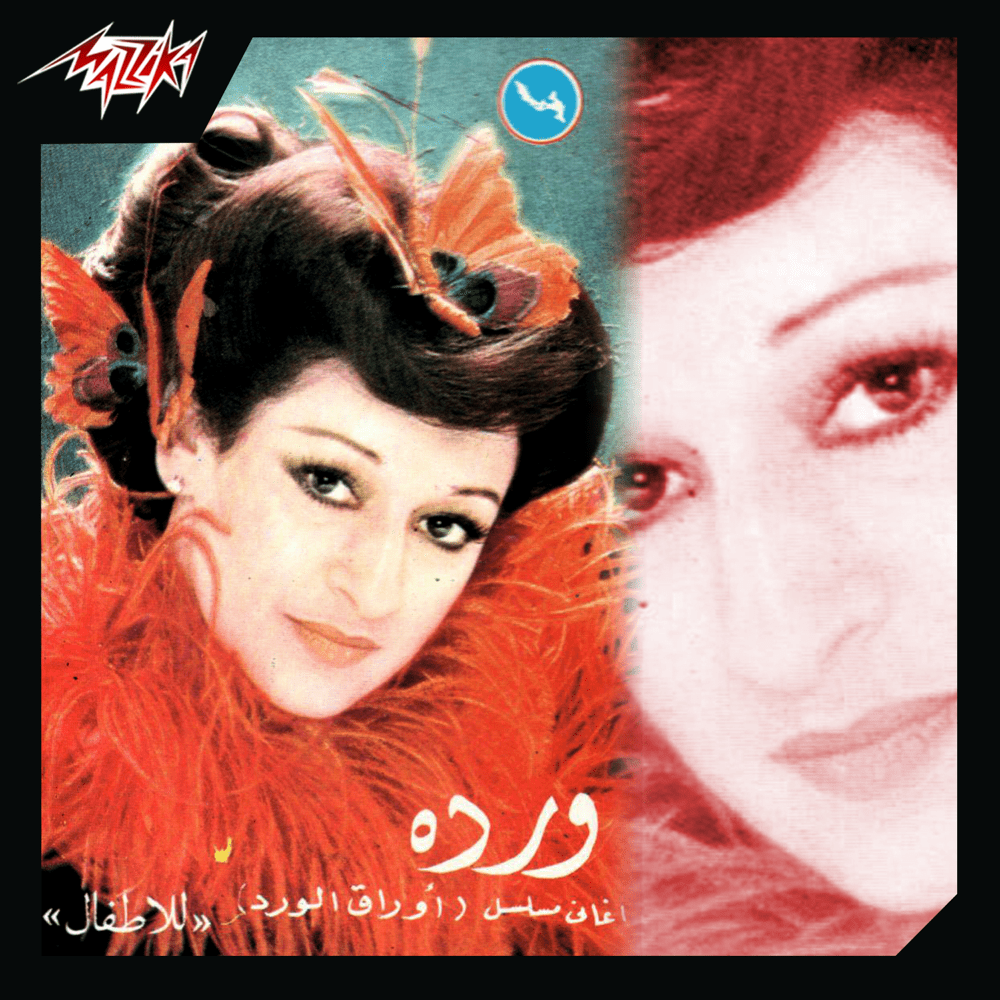
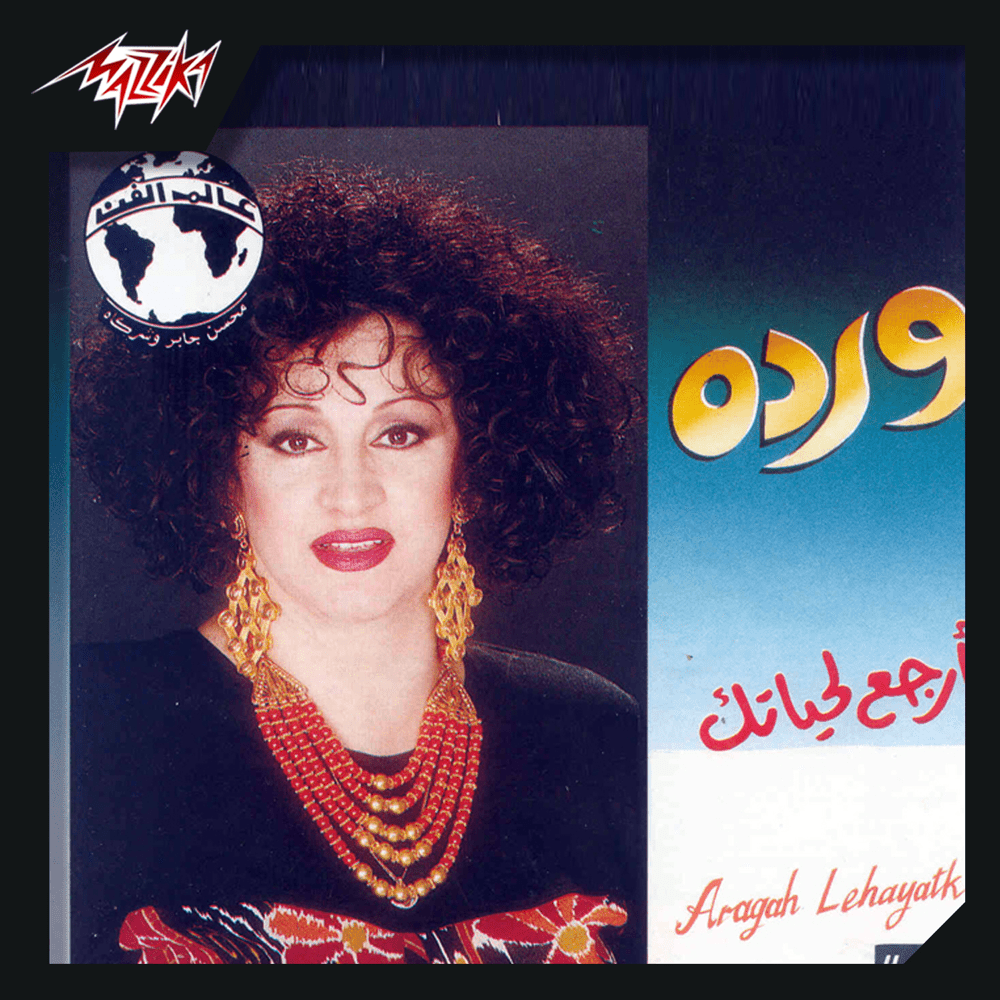
Elle Daa Men Omri - إللي ضاع من عمري remains a fan favorite. The album Awrak El Ward - أوراق الورد also solidified her status as a legend. Don't forget Ergaa Le Hayatak - إرجع لحياتك, which showed her range and vocal power.
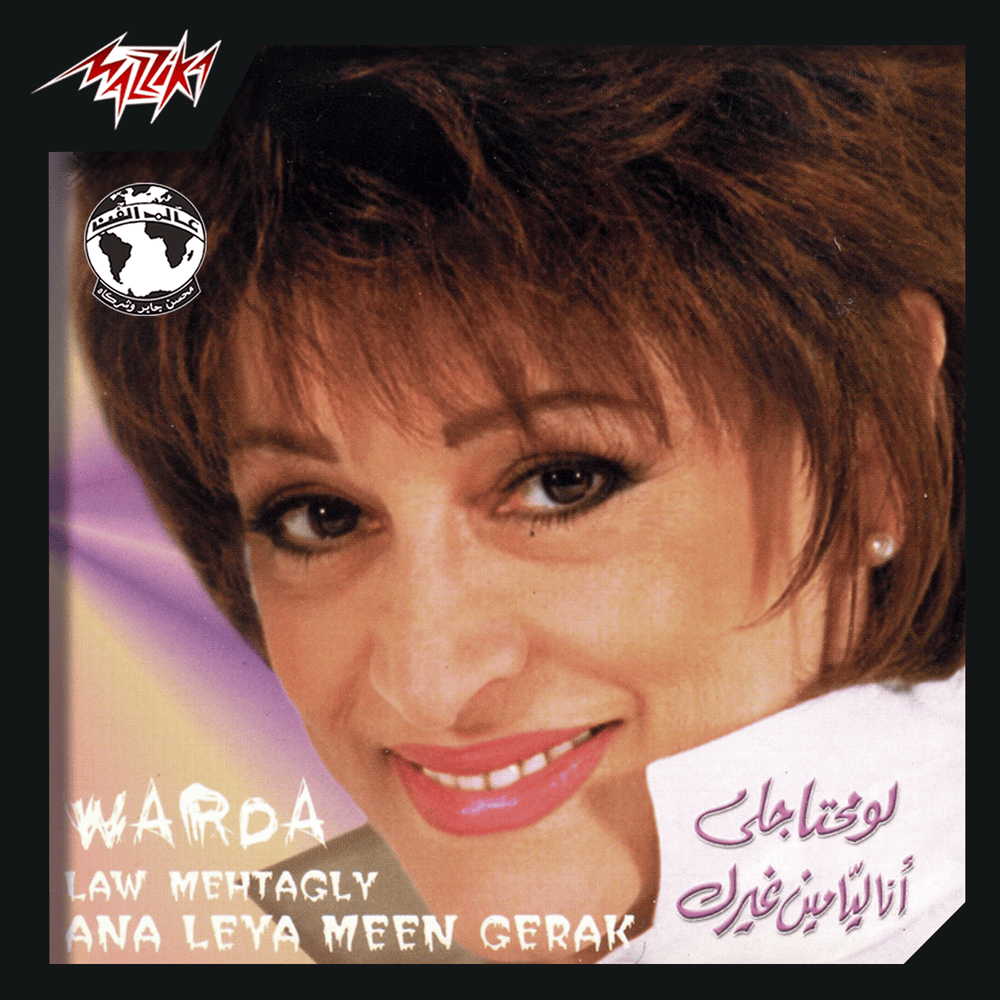
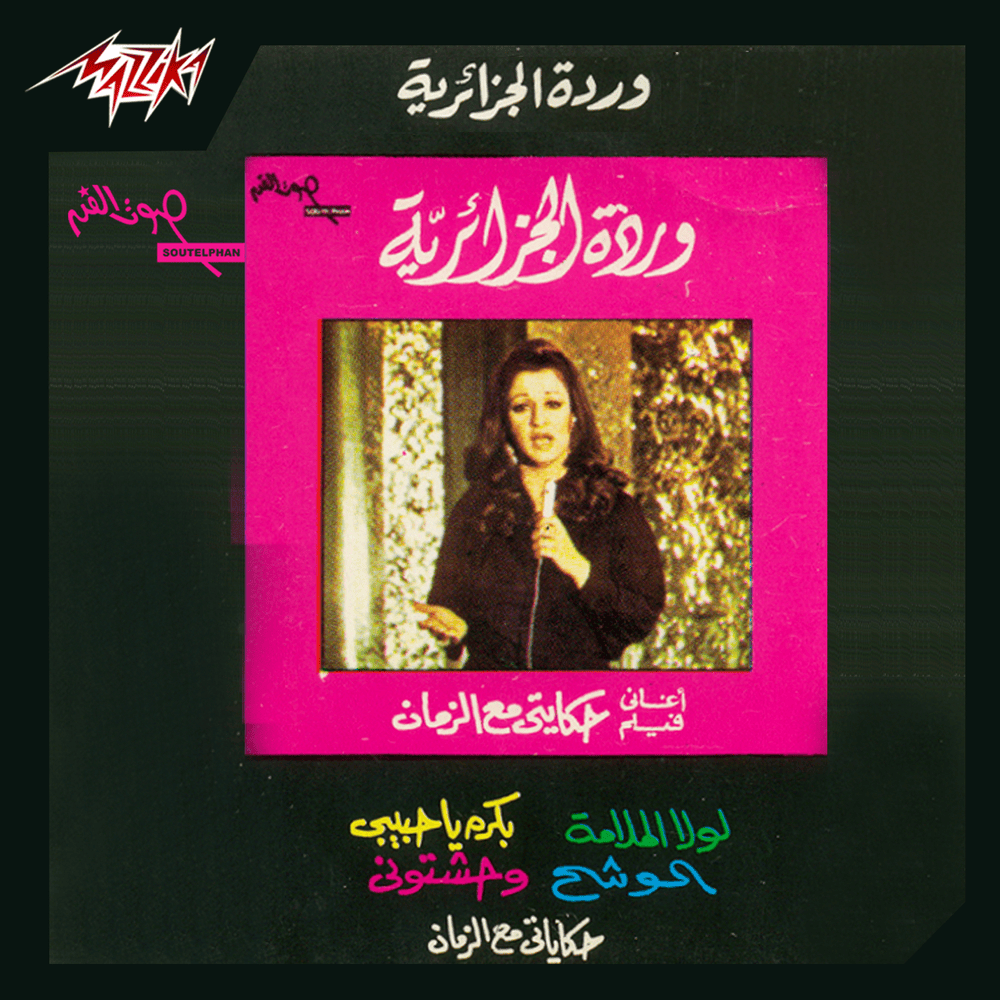
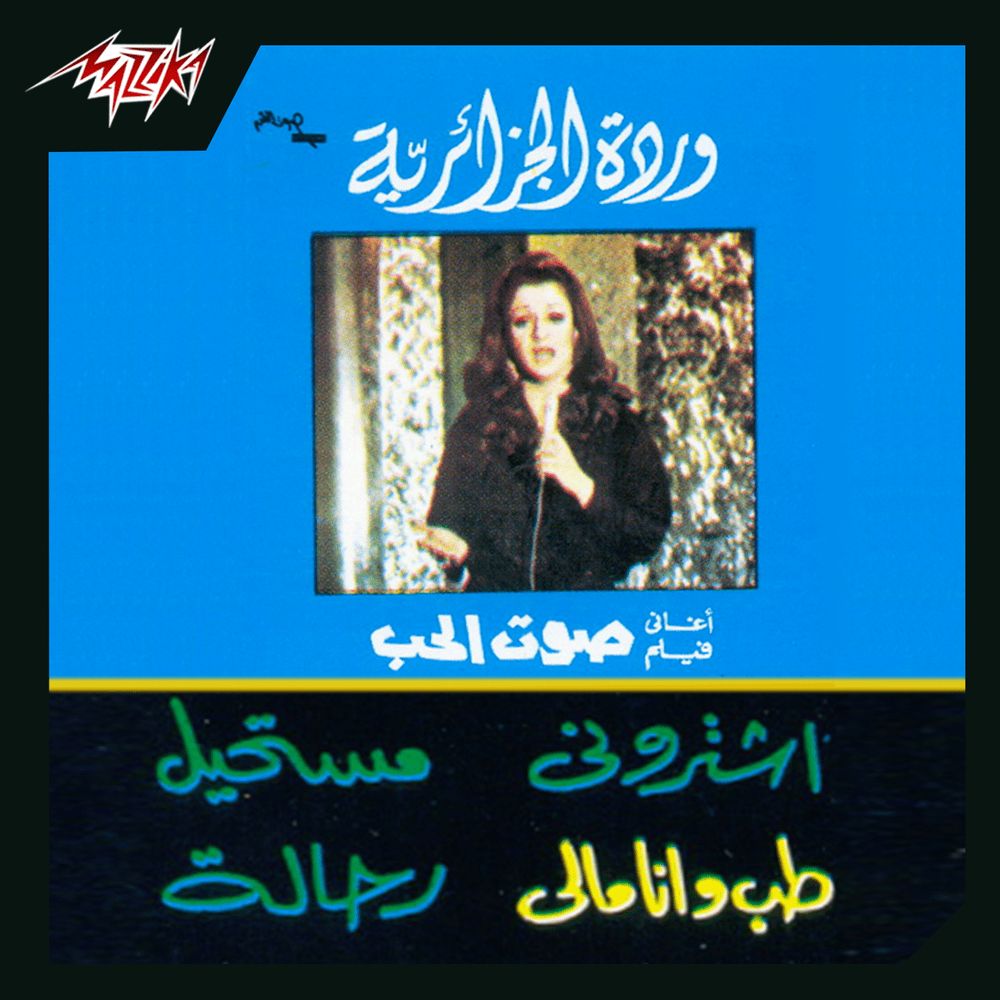
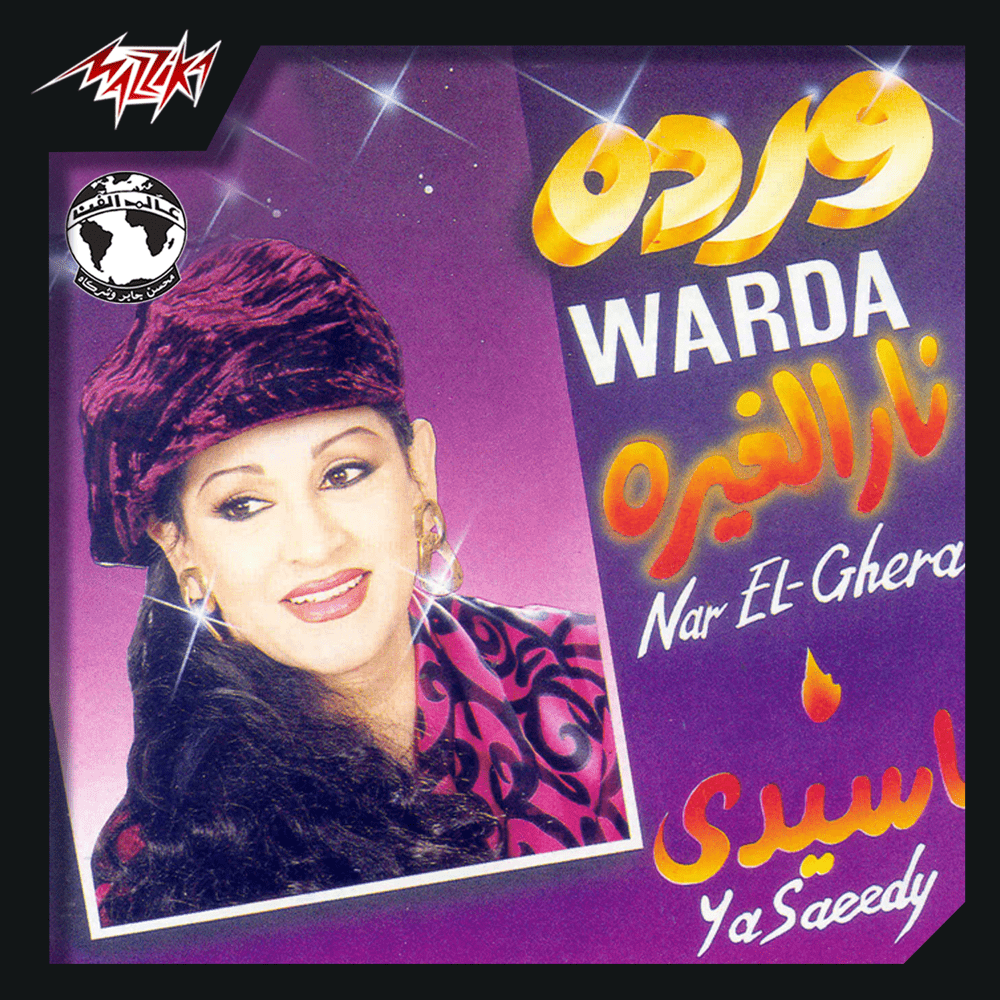
Other essential albums include Law Mehtagly - لو محتاجلي*, Aghany Film Sout El Hob - أغاني فيلم صوت الحب, Aghany Film Hekayty Maa El Zaman - أغاني فيلم حكايتي مع الزمان and Nar El Ghera - نار الغيرة. Each release cemented her legacy as a musical icon.
Hit Songs & Signature Tracks
Warda's discography is filled with hit songs that have become ingrained in Arabic popular culture. Batwanes Beek - بتونس بيك is an absolute classic. Its romantic lyrics and haunting melody resonate with listeners even today. It's a karaoke staple.
Lola El Malama - لولا الملامة is another signature track. It shows off her vocal control and emotional depth. Benkhaf M Elaayen - بنخاف م العين is a song that tugs at the heartstrings.
Ya Khsara - يا خسارة is a powerhouse vocal performance. Laialeena - ليالينا is another essential song. Plus, Malet Min El Ghorba - مليت من الغربة speaks to the experience of being far from home.
Other standout tracks include Ergaa Le Hayatak - إرجع لحياتك, Matestahelsh - ماتستاهلش, Hobak Wesel Madah - حبك وصل مداه and Betwanes Beek (Live Record) - بتونس بيك (تسجيل مباشر). Each song cemented Warda's place in music history.
Collaborations & Features
Warda collaborated with some of the most influential figures in Arabic music. These collaborations produced some of her most memorable songs. Her work with composers like Mohamed Abdel Wahab and lyricists like Baligh Hamdi helped define her signature sound. These partnerships show a dedication to quality.
Beyond studio work, Warda frequently shared the stage with other legendary performers. These joint performances became legendary in their own right. They served as a testament to the collaborative spirit within the Arabic music scene.
Awards & Achievements
Warda received numerous awards and accolades throughout her career. These awards recognized her contributions to Arabic music and culture. She was honored by governments and cultural institutions across the Arab world. This reflects her widespread popularity and influence.
Beyond formal awards, Warda's greatest achievement was the love and admiration of her fans. Her music transcended borders and generations. She left an indelible mark on the hearts of millions. That's the biggest prize.
Personal Life
Warda's personal life was often in the public eye, particularly her marriage to Algerian President Houari Boumediene's personal advisor. The marriage ended after a decade. However, she remained a prominent figure in Algerian society.
She was known for her patriotism and her support for various charitable causes. Warda used her platform to advocate for social issues and to promote Algerian culture. This further cemented her image as a beloved national icon.
Musical Style & Influence
Warda's musical style blended classical Arabic music with modern pop sensibilities. Her powerful voice and emotive delivery were her trademarks. She infused her songs with a unique blend of romance, longing, and patriotism. This combination resonated with a wide audience.
She drew influence from legendary singers like Umm Kulthum and Fairuz. Warda, in turn, inspired countless artists who followed in her footsteps. Her legacy continues to shape the sound of Arabic music.
Warda's influence can be heard in the work of contemporary artists who sample or cover her songs. She is a timeless icon. Her music continues to inspire new generations of musicians and fans alike.
Recent Work & What's Next
While Warda passed away in 2012, her music continues to be discovered and celebrated. Her songs are constantly streamed and remixed. New generations are falling in love with her timeless voice. Her legacy lives on through her music. It's a testament to her enduring artistry.
There are occasional releases of previously unreleased material. Plus, tribute concerts keep her memory alive. Warda's music remains a vital part of the Arabic cultural landscape.