Introduction & Current Status
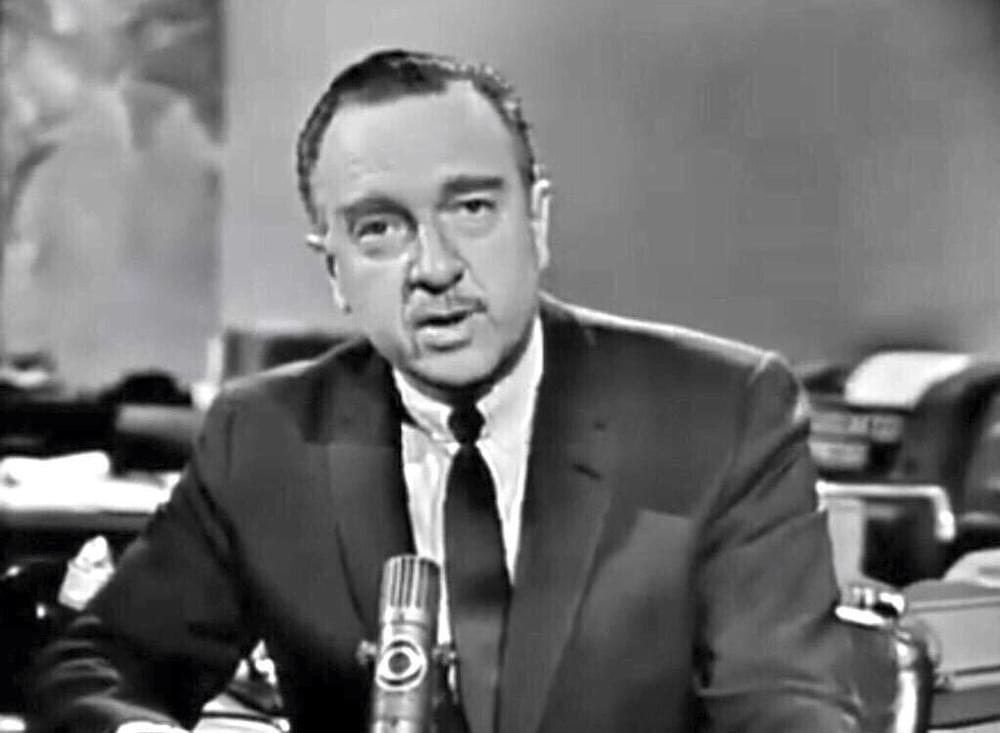
Walter Cronkite isn't exactly topping the Billboard charts these days, but his legacy? Still trending. While Gen Z might not immediately recognize the name, Walter Cronkite was *the* voice of American news for decades. He's the guy your grandparents trusted implicitly, the face that delivered moon landings, assassinations, and the nightly Vietnam War updates. So why talk about him now? Because in an era of fake news and fragmented media, Cronkite's commitment to journalistic integrity feels more relevant than ever. He set the gold standard for objective reporting, a concept that's become almost quaint in our current media landscape.
Think of him as the OG influencer, except instead of hawking teeth whitening kits, he was selling… well, reality. And let's be real, that's a much tougher sell.
He wasn't dropping fire tracks or racking up Spotify streams, but Cronkite's influence on American culture is undeniable. He shaped how generations understood the world, making him a low-key cultural icon.
Early Life & Background
Born in St. Joseph, Missouri, in 1916, Walter Leland Cronkite Jr. had ink in his veins practically from birth. His family moved to Kansas City when he was young, where his early experiences with journalism began. High school newspaper? Check. College reporting gigs? Double-check. He wasn't born into a media dynasty; he built his career from the ground up with relentless curiosity and a knack for storytelling.
His mother, Lena, was a homemaker, and his father, Walter Sr., a dentist. While no one in his immediate family was involved in media, the importance of clear communication and critical thinking was definitely a family value. This foundation undoubtedly shaped his approach to news reporting later in life.
He attended the University of Texas, Austin, but dropped out before graduating to pursue journalism full-time. A bold move? Absolutely. But it paid off. This was a man who knew what he wanted and wasn't afraid to chase it.
Career Beginnings
Cronkite's career path reads like a historical tour of 20th-century news. He started with print journalism, working for various newspapers and wire services. During World War II, he was a United Press correspondent, reporting from the front lines in Europe. Talk about paying your dues. This experience undoubtedly shaped his unflinching approach to reporting.
After the war, he joined CBS News in 1950, initially working in television news. It wasn't an instant rise to the top. He covered everything from sports to public affairs before eventually landing the anchor chair. His versatility and dedication were key to his success.
His big break came in 1962 when he took over as anchor of the "CBS Evening News." This was the gig that cemented his status as "the most trusted man in America." It wasn't just a job; it was a cultural institution.
Major Albums & Discography
(Sadly, Walter Cronkite never dropped a studio album. Can you imagine? A spoken-word album of news highlights? It would be... something.)
Hit Songs & Signature Tracks
(Okay, so Cronkite wasn't exactly known for his Billboard hits. But if he *did* have a signature track, it would probably be the CBS Evening News theme music. Instant nostalgia. Total earworm.)
Collaborations & Features
While Cronkite wasn't collaborating with pop stars, he *did* collaborate with some of the biggest names in journalism. Think of his on-air team as the Avengers of news. He worked alongside legendary reporters and producers, creating a newsroom culture of excellence.
He also "collaborated" with presidents, world leaders, and everyday citizens. His interviews were legendary, his presence commanding. He wasn't just reporting the news; he was shaping the narrative.
His work also crossed over into entertainment, narrating documentaries and making cameo appearances in films. He even voiced himself in animated shows. Talk about range.
Awards & Achievements
Cronkite amassed a staggering collection of awards throughout his career. Emmys? He practically had a room full of them. Peabody Awards? Check. Presidential Medal of Freedom? You bet. He was the gold standard for journalistic excellence.
He also received countless honorary degrees and lifetime achievement awards. His contributions to journalism were widely recognized and celebrated.
Beyond the accolades, his biggest achievement was arguably the trust he earned from the American public. He was more than just an anchor; he was a symbol of integrity and reliability.
Personal Life
Cronkite was married to Mary Elizabeth "Betsy" Maxwell for nearly 65 years, until her death in 2005. They had three children. He was known for his down-to-earth personality and his love of sailing.
Away from the anchor desk, he was an avid sailor and space enthusiast. He even served on the board of directors for NASA. This passion for exploration and discovery fueled his enthusiasm for reporting on space missions.
Musical Style & Influence
(Okay, let's be real. Cronkite's "musical style" was more like a well-tuned baritone voice delivering the news with gravitas. But his *influence*? Monumental.) He set the standard for objective journalism, influencing generations of reporters and anchors. His calm, steady demeanor in the face of crisis became his trademark.
He also helped shape the way Americans consumed news. He wasn't just reading headlines; he was telling stories. He made complex issues accessible and engaging.
His legacy continues to inspire journalists today. In an era of opinion-driven news, Cronkite's commitment to facts and accuracy is more important than ever.
Recent Work & What's Next
Walter Cronkite passed away in 2009, but his legacy lives on through the countless journalists he inspired and the high standards he set for the profession. His commitment to truth and accuracy remains a guiding light in an ever-changing media landscape. He may be gone, but his influence is far from over.