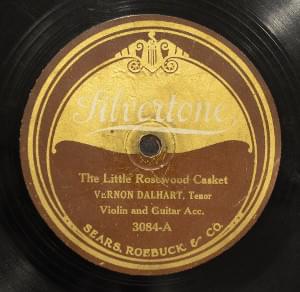
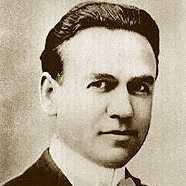
Vernon Dalhart
200 Listeners
Artist Bio
Vernon Dalhart, born Marion Try Slaughter II in 1883, wasn't just a singer; he was a cultural phenomenon. While often associated with country music's early days, Dalhart's career trajectory was far more eclectic, encompassing light opera, popular song, and eventually, the sentimental ballads and tragic narratives that cemented his place in American musical history. He possessed a remarkable tenor voice, initially honed in classical settings, that he later adapted to the burgeoning recording industry, becoming one of its first bonafide stars.
Dalhart's early recordings showcased his operatic training, but it was his foray into what were then called "hillbilly" songs that truly resonated with the masses. He recognized the commercial potential of these heartfelt stories, often drawn from real-life events and steeped in rural imagery. It was a sound that spoke directly to a rapidly changing nation grappling with industrialization and urbanization, offering a nostalgic glimpse of simpler times.
His breakthrough came with songs like The Prisoner's Song, a lament of lost love and longing that became one of the best-selling records of the 1920s. It catapulted Dalhart to national fame, establishing him as a household name. He followed this success with a string of similarly themed hits, including Wreck Of The Old '97, a mournful ballad about a train disaster that tapped into the public's fascination with tragedy and heroism.
Dalhart's ability to connect with his audience stemmed from his clear diction, emotional delivery, and a careful selection of material. He had a knack for choosing songs that told compelling stories, often with a moral or cautionary message. Tracks such as The Sinking of the Titanic and Little Mary Phagan, although dealing with grim subject matter, became immensely popular, reflecting the nation's collective anxieties and sorrows. He further explored tragic themes in songs like The Death of Floyd Collins, cementing his role as a musical storyteller of the era.
While his popularity waned with the rise of new musical styles and the Great Depression, Vernon Dalhart's legacy remains significant. He was a pioneer in the recording industry, demonstrating the power of music to connect with a mass audience and shaping the sound of early country and popular music. Even a song like The Runaway Train highlights Dalhart's command of storytelling through song, a quality that made him a star.
Popular Albums
Popular Songs
| Track Number | Song | Release Date | Album |
|---|---|---|---|
| 01 | 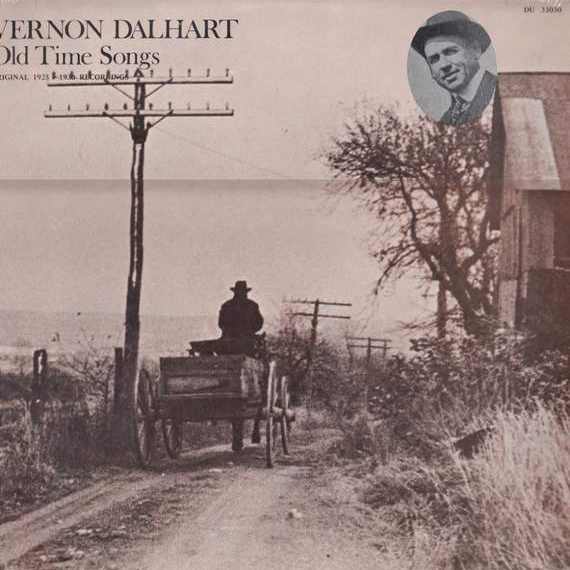 The Prisoner’s Song The Prisoner’s Song | Oct 3, 1924 | Old Time Songs: Original 1925-1930 Recordings |
| 02 | 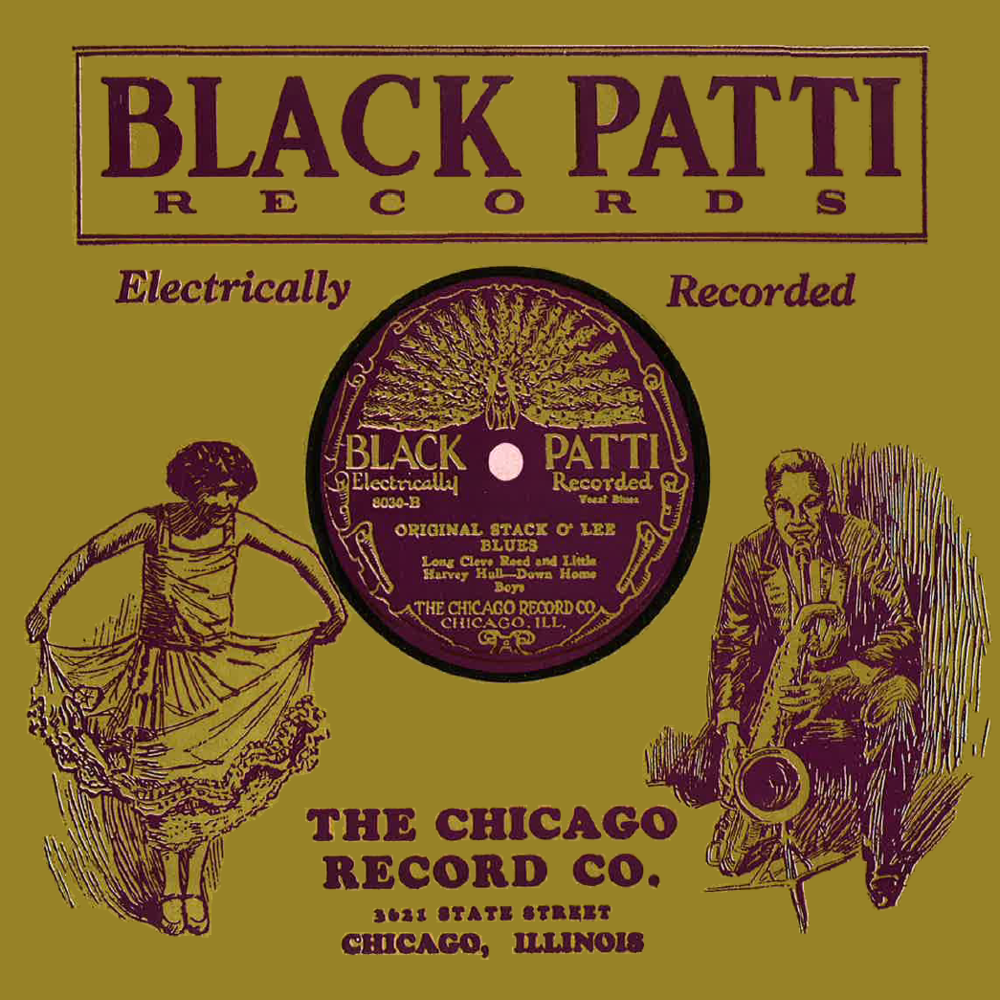 Barbara Allen (GEX 549-A) Barbara Allen (GEX 549-A) | Jan 1, 1927 | Black Patti Records (1927) |
| 03 | 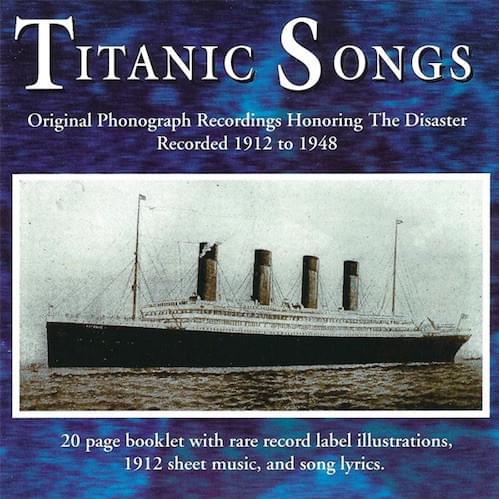 The Sinking of the Titanic The Sinking of the Titanic | N/A | Ballads and Railroad Songs |
| 04 | Wreck Of The Old ’97 | Oct 3, 1924 | Old Time Songs: Original 1925-1930 Recordings |
| 05 |  Putting On the Style Putting On the Style | Mar 1, 1926 | Ballads and Railroad Songs |
| 06 | 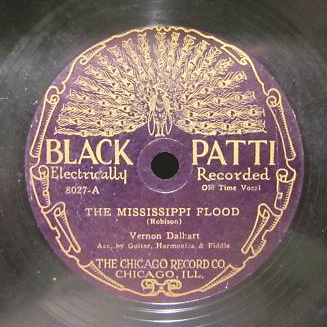 The Mississippi Flood (GEX 650-B) The Mississippi Flood (GEX 650-B) | Jan 1, 1927 | The First Singing Cowboy On Records |
| 07 | Little Mary Phagan | N/A | Ballads and Railroad Songs |
| 08 | The Ship That Never Returned | N/A | Titanic Songs |
| 09 | The Wreck Of The Titanic | N/A | Titanic Songs |
| 10 | 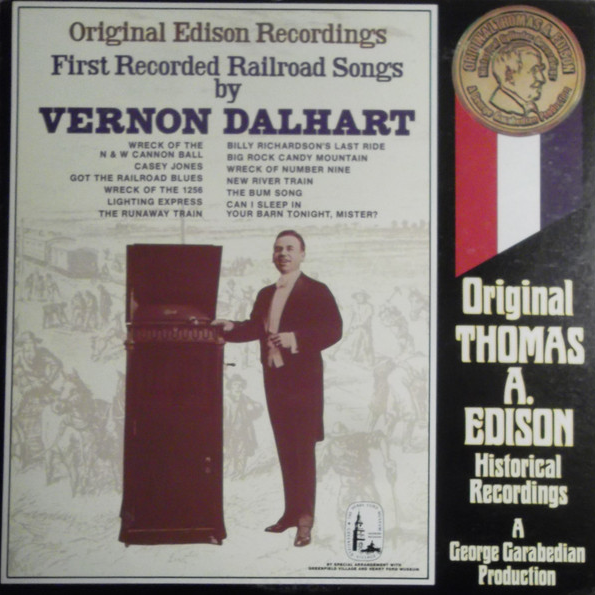 Casey Jones Casey Jones | N/A | Ballads and Railroad Songs |
| 11 | The Runaway Train | N/A | First Recorded Railroad Songs |
| 12 | The Death of Floyd Collins | Jan 1, 1925 | Old Time Songs: Original 1925-1930 Recordings |
| 13 | The Little Rosewood Casket | Jan 1, 1924 | Old Time Songs: Original 1925-1930 Recordings |
| 14 | 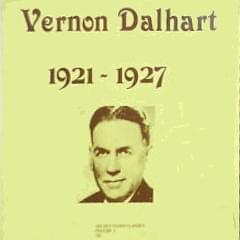 There’s a New Star In Heaven Tonight There’s a New Star In Heaven Tonight | N/A | 1921-1927 |
Reviews
Comments
Questions & Answers
Music Awards
0 Total
No Music Awards Found