Introduction & Current Status
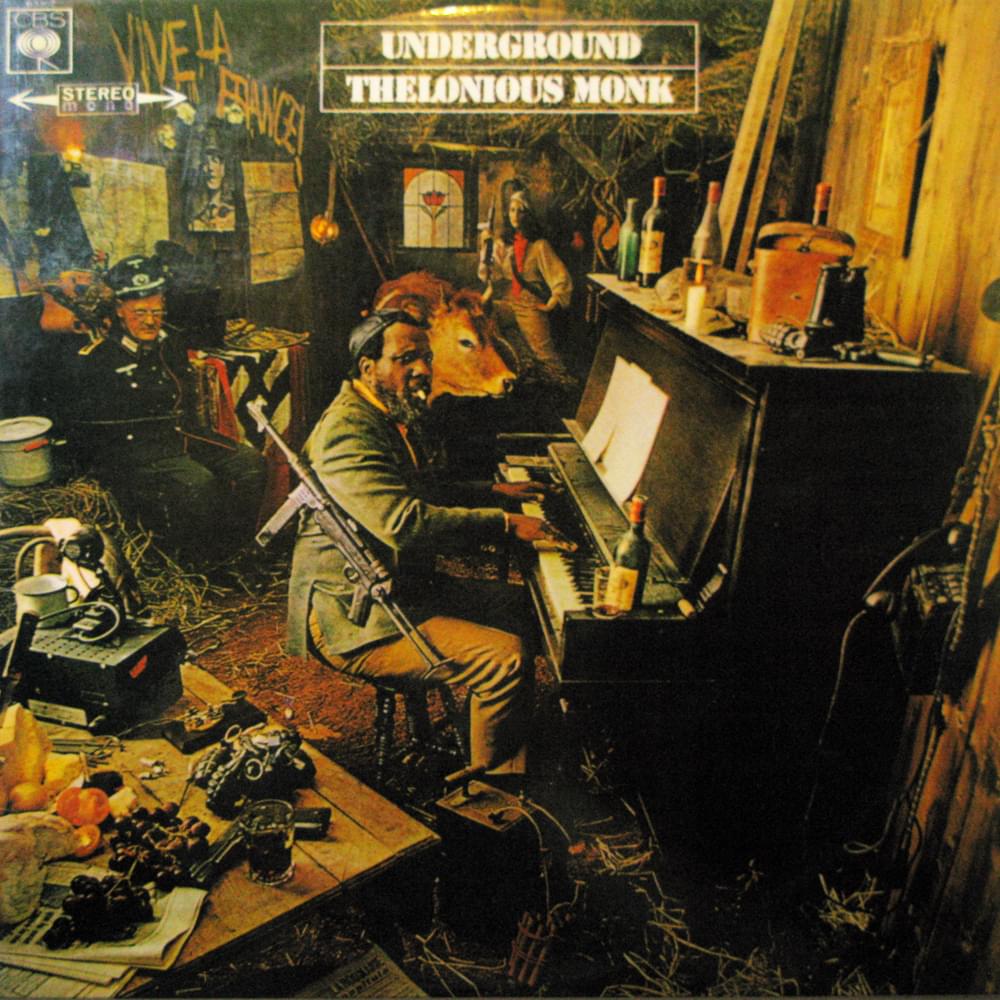
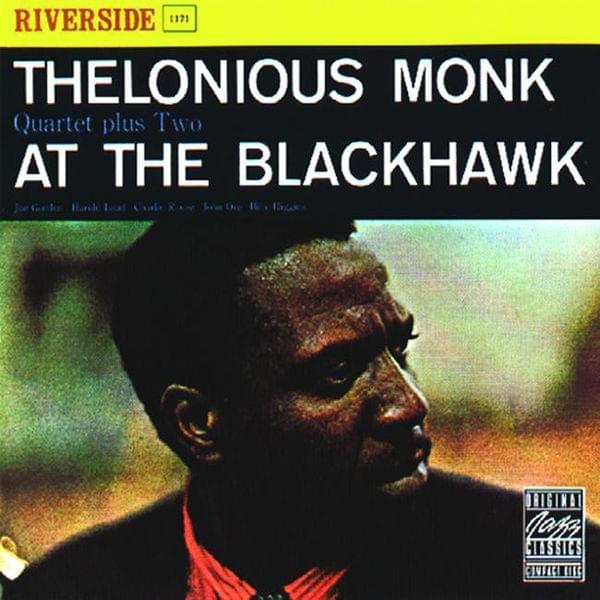
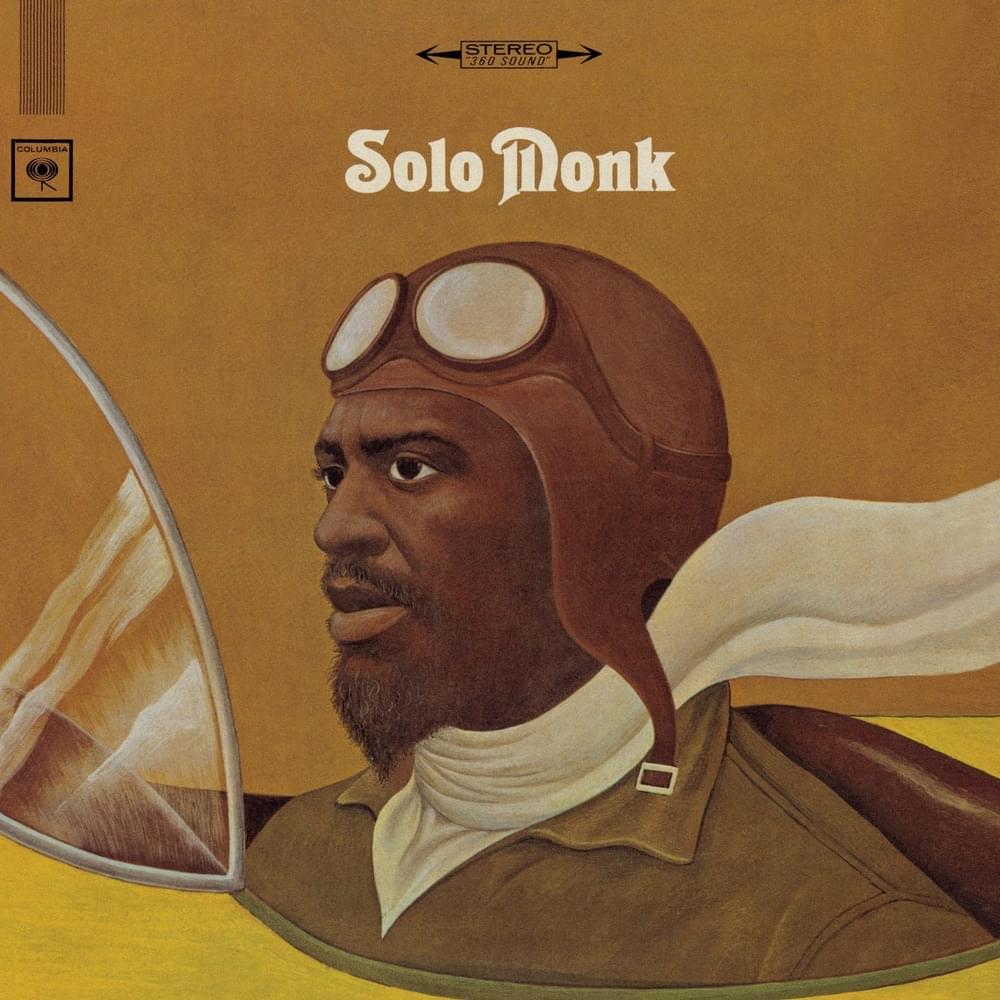
Thelonious Monk. Even decades after his passing, the name conjures up images of angular melodies, unorthodox harmonies, and a piano style so unique it practically redefined jazz. He wasn't just a musician; he was an iconoclast. A true original in a genre that prized individuality. While Monk may not be topping the charts today, his influence permeates modern music.
Monk's compositions are now jazz standards. His impact echoes in everything from avant-garde classical music to hip-hop sampling. The quirky genius of Monk continues to inspire and challenge musicians worldwide. His work is a testament to the power of unconventional thinking and artistic vision.
Monk's legacy is cemented. He remains one of the most important figures in the history of jazz. His music continues to be discovered and reinterpreted by new generations.
Early Life & Background
Thelonious Sphere Monk was born in Rocky Mount, North Carolina, in 1917. His family moved to New York City when he was just a toddler. He grew up in the San Juan Hill neighborhood of Manhattan, an area brimming with musical talent and cultural diversity. This vibrant environment profoundly shaped his artistic sensibilities.
His mother, Barbara, nurtured his musical talents early on. He began piano lessons at a young age. He quickly demonstrated an innate gift for improvisation and a remarkable ability to absorb different musical styles. Gospel music played a significant role in his upbringing. He played the organ in church as a teenager. This early exposure to gospel deeply influenced his bluesy, soulful approach to jazz.
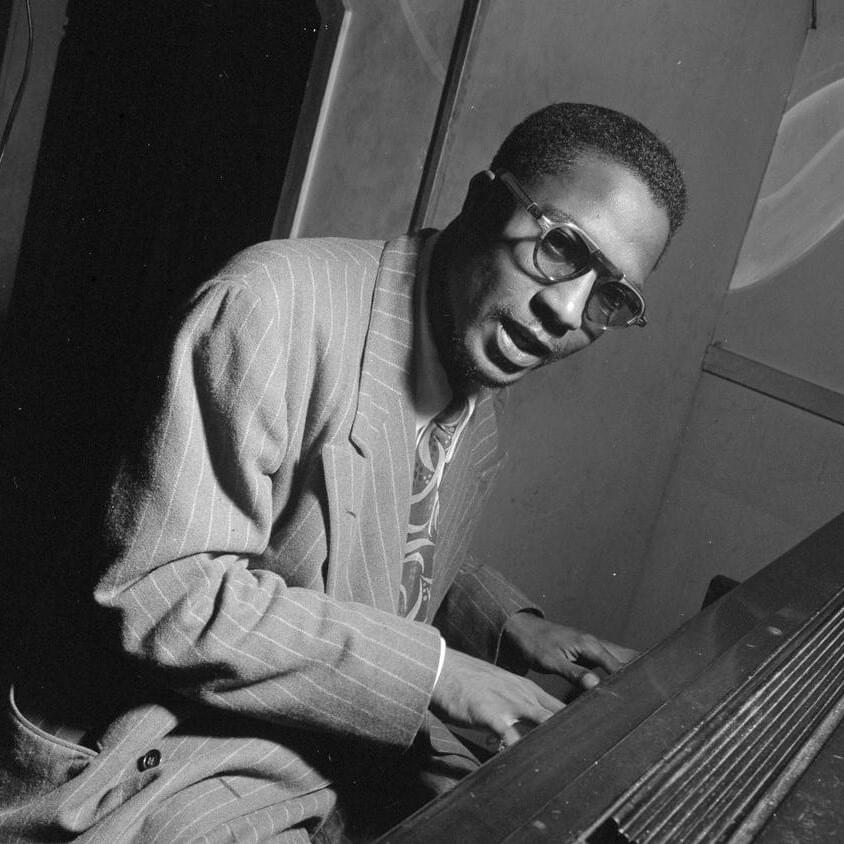
Monk was largely self-taught. He developed his signature style through relentless practice and a deep immersion in the Harlem jazz scene. The community fostered his artistic growth, challenging him to explore uncharted musical territories.
Career Beginnings
Monk's professional career began in the early 1940s. He became the house pianist at Minton's Playhouse in Harlem. This legendary club was a breeding ground for the burgeoning bebop movement. Here, alongside Charlie Parker, Dizzy Gillespie, and Kenny Clarke, Monk helped to revolutionize jazz.
Minton's was a space for experimentation. Late-night jam sessions pushed the boundaries of traditional swing music. Monk's unique harmonic ideas and rhythmic approach were central to this transformation. He challenged the norms of jazz harmony. His use of dissonant chords and unusual voicings became his trademark.
Despite his pivotal role in bebop's creation, Monk initially struggled to gain recognition. His unconventional style was often misunderstood or dismissed by critics. He was seen as eccentric or even incompetent. But his unwavering commitment to his artistic vision eventually won him widespread acclaim.
Major Albums & Discography
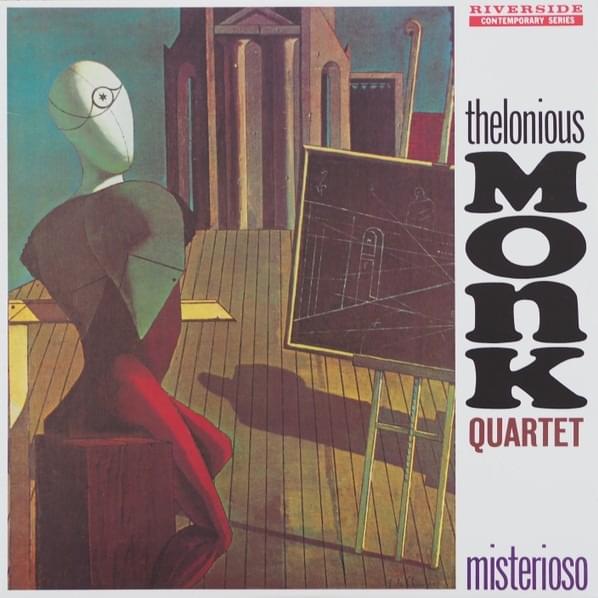
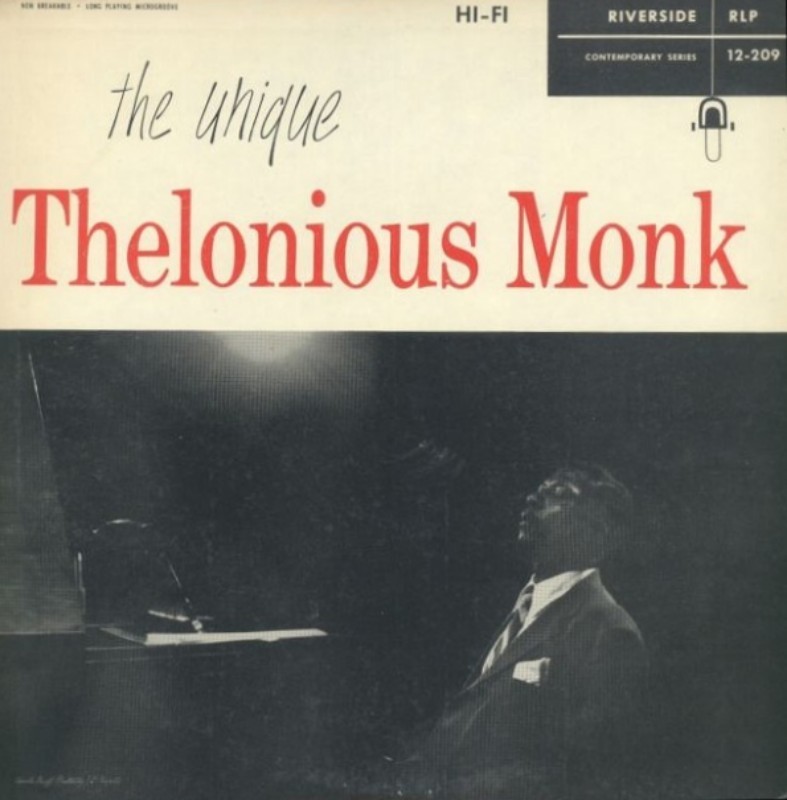
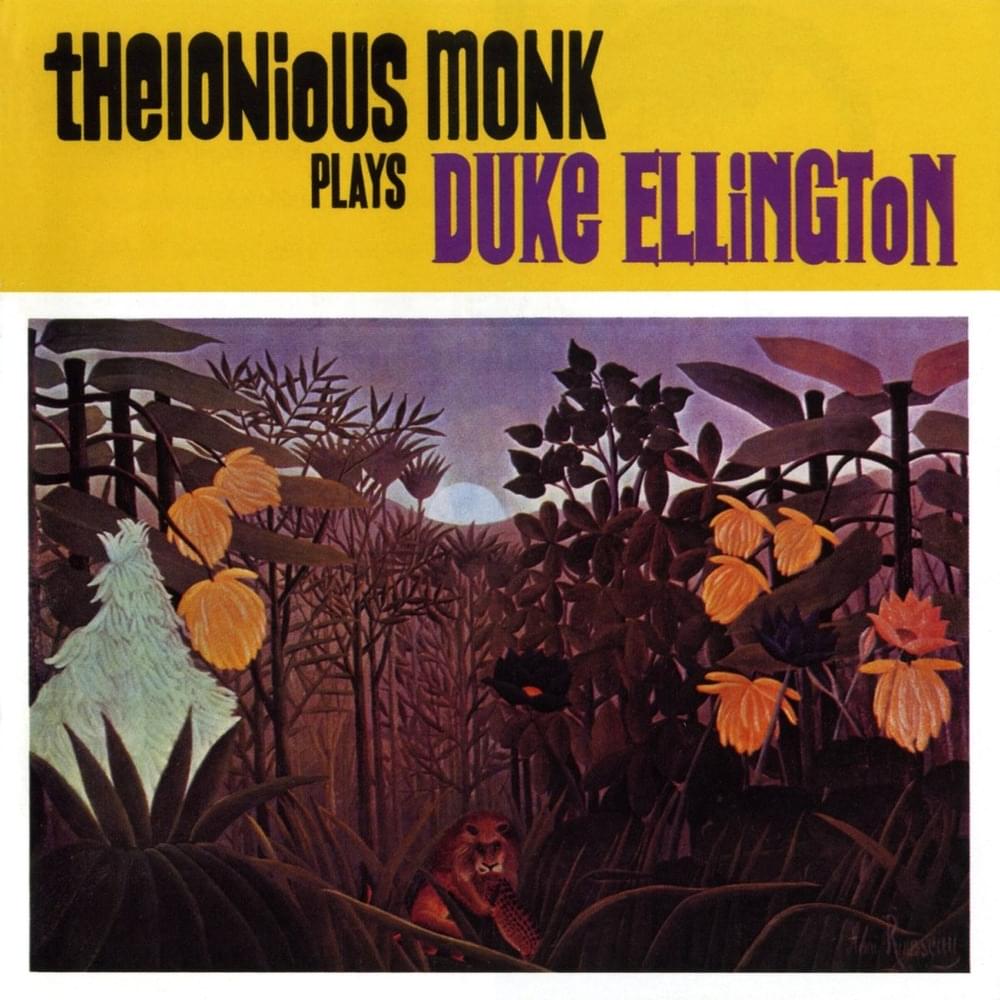
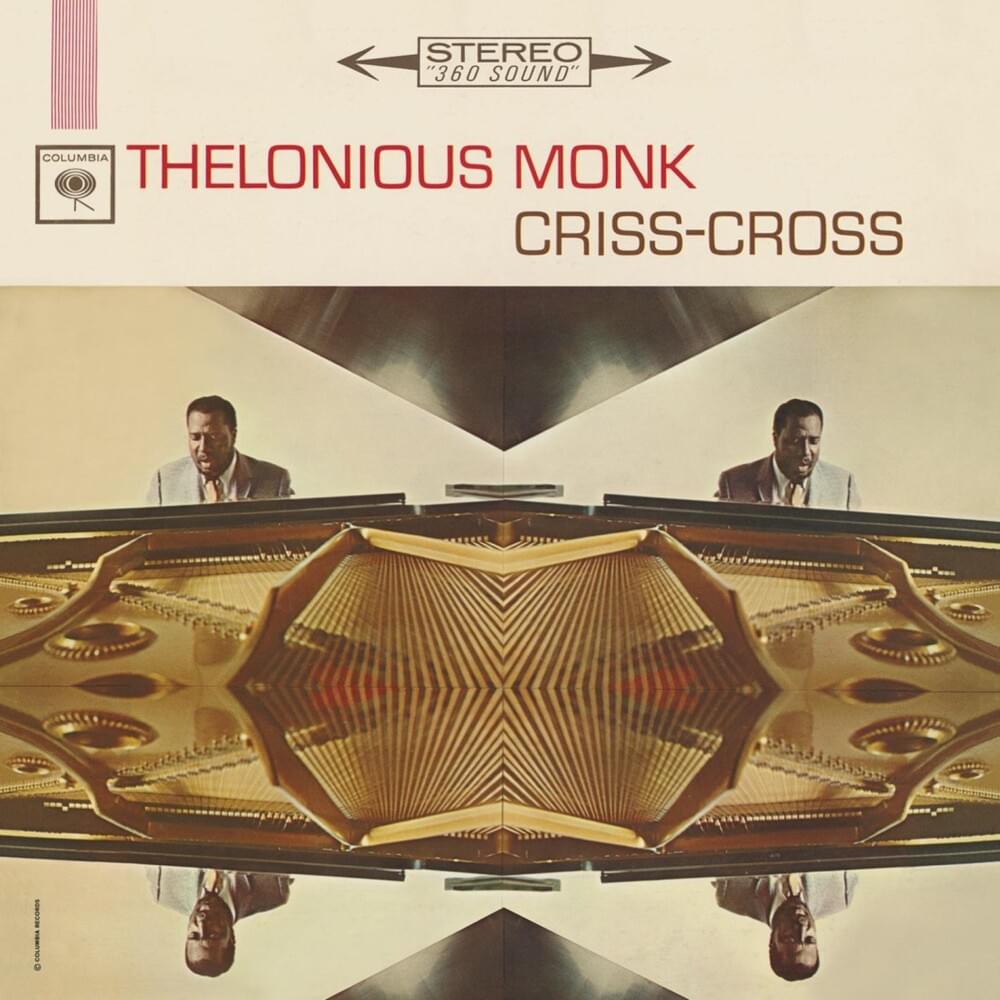
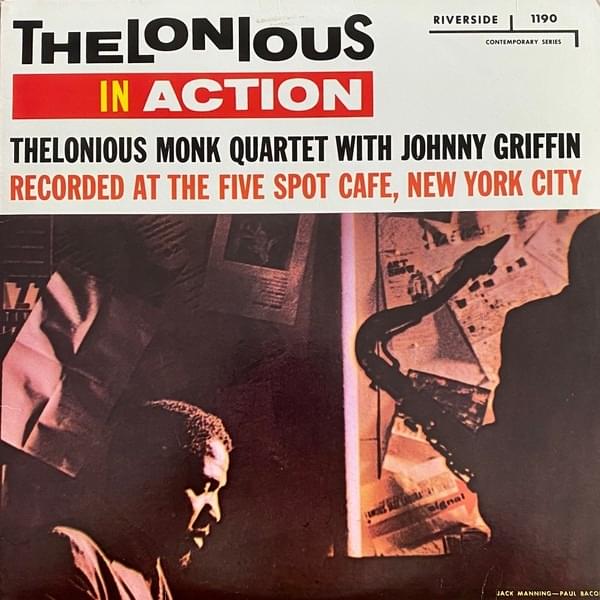
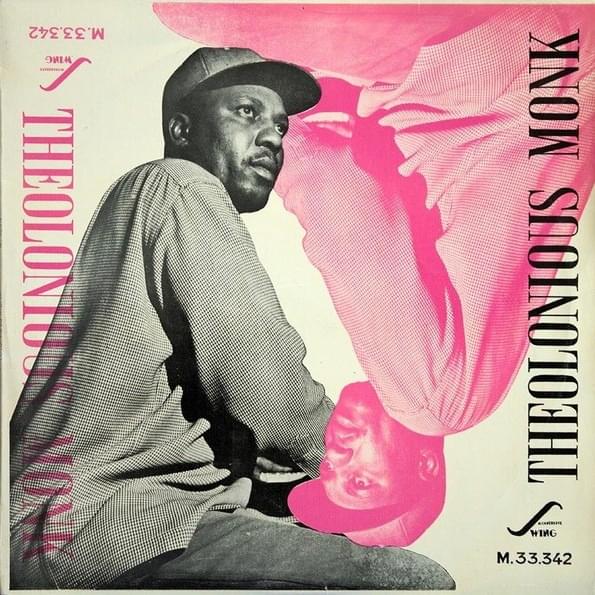
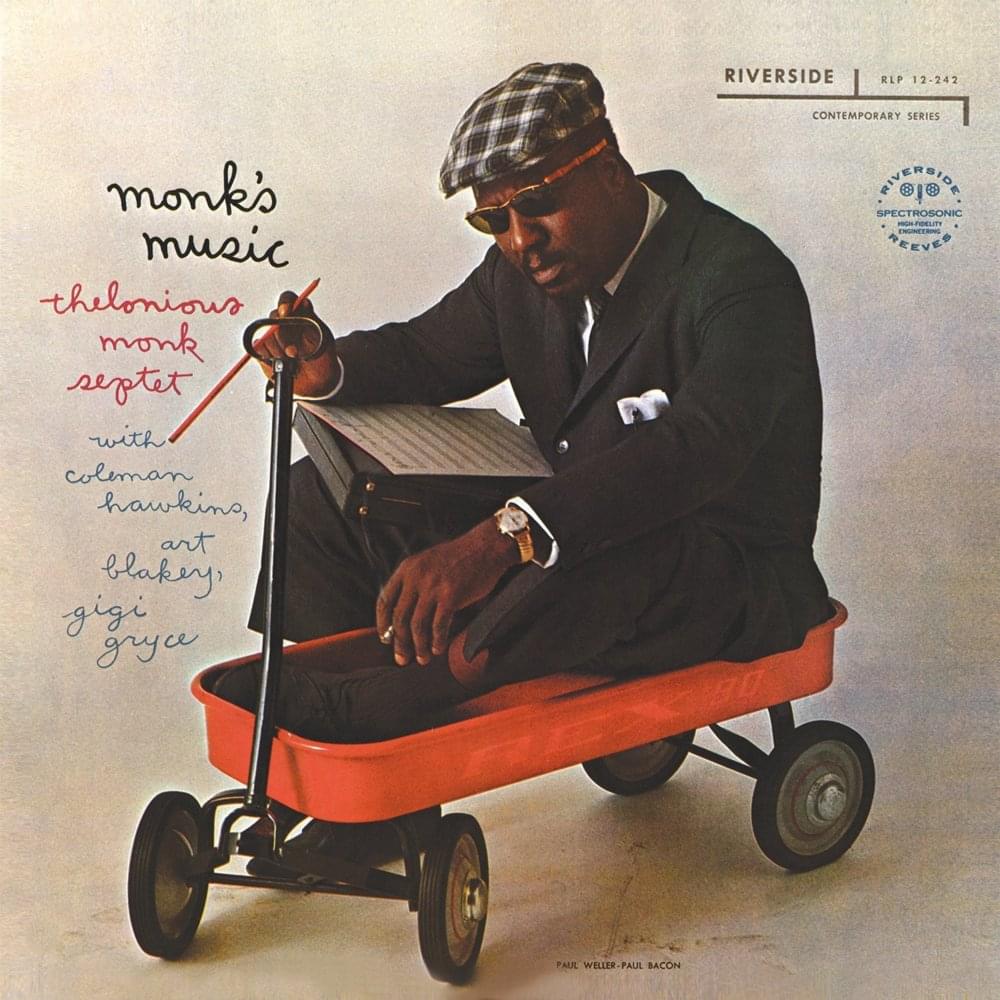
Monk's discography is a treasure trove of innovative and groundbreaking albums. They showcase his evolution as a composer and pianist. Each album offers a unique glimpse into his musical mind.
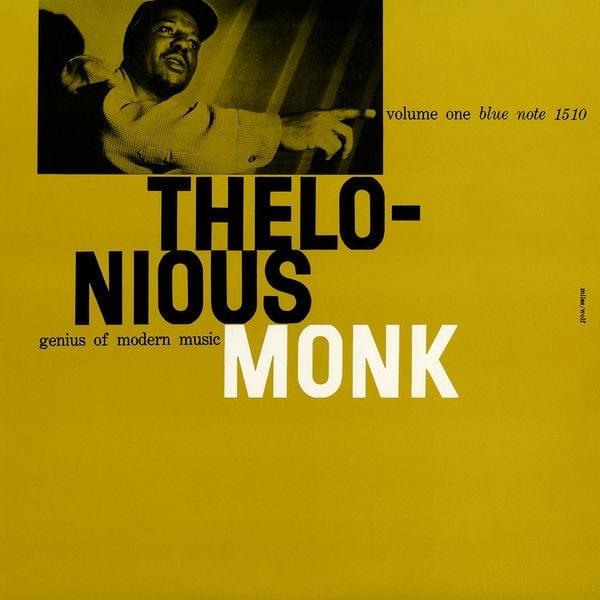
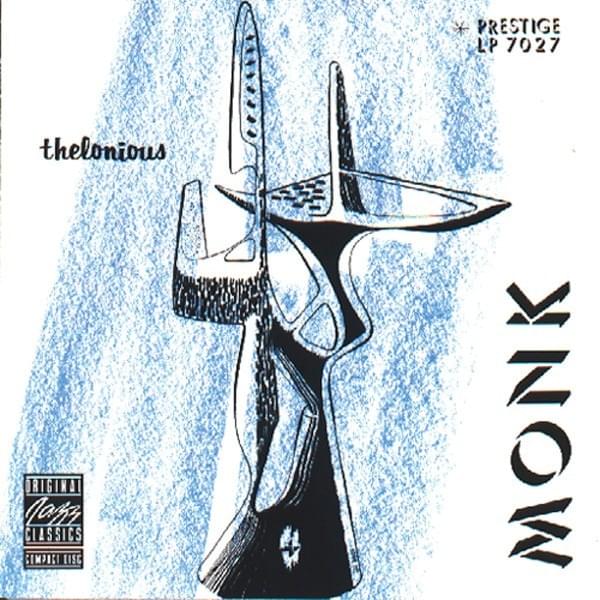
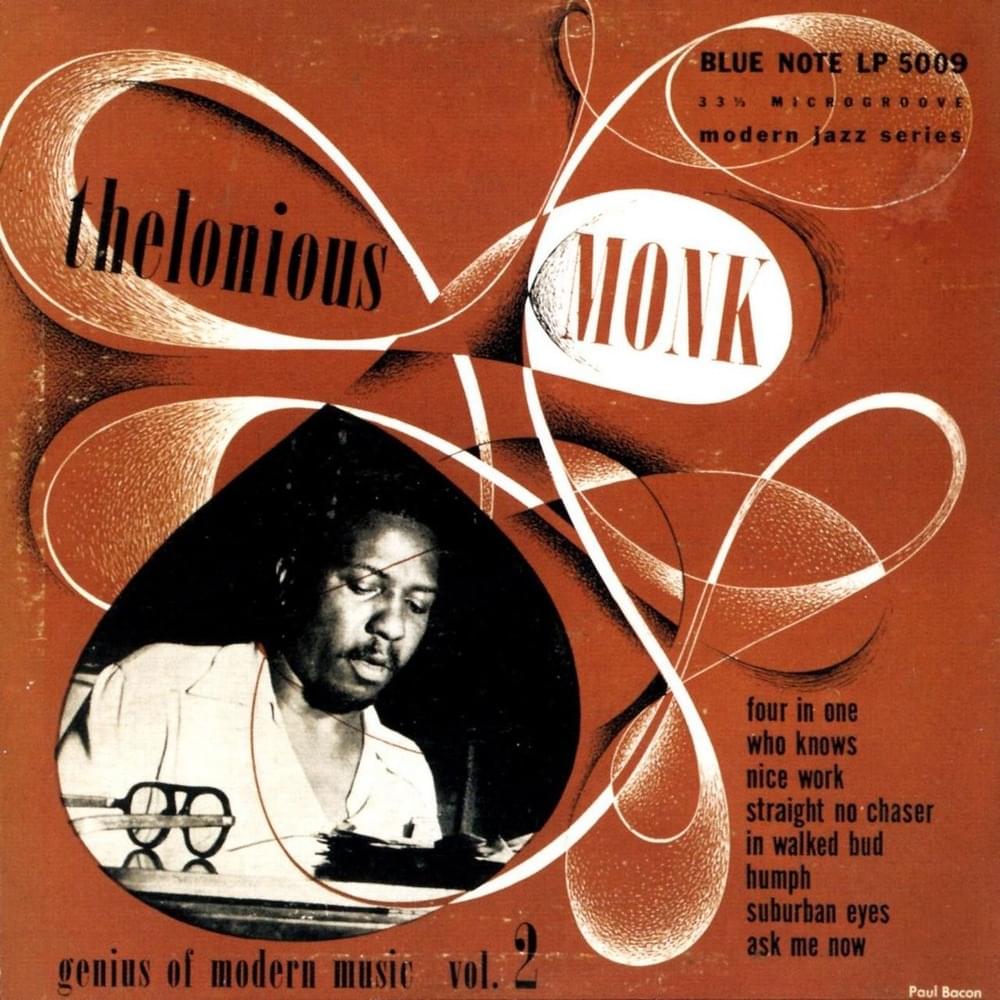
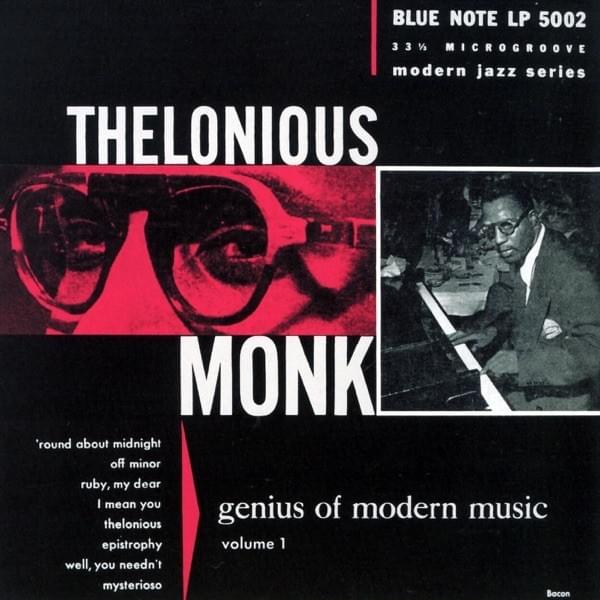
*Genius of Modern Music, Vol. 1 & 2* (1947-1952) captured his early recordings as a leader. These albums introduced the world to his singular compositions. They featured now-classic tracks like "Round Midnight" and "Epistrophy." *Brilliant Corners* (1956) is often considered one of his masterpieces. This album features complex arrangements and stellar performances by Sonny Rollins and Max Roach.
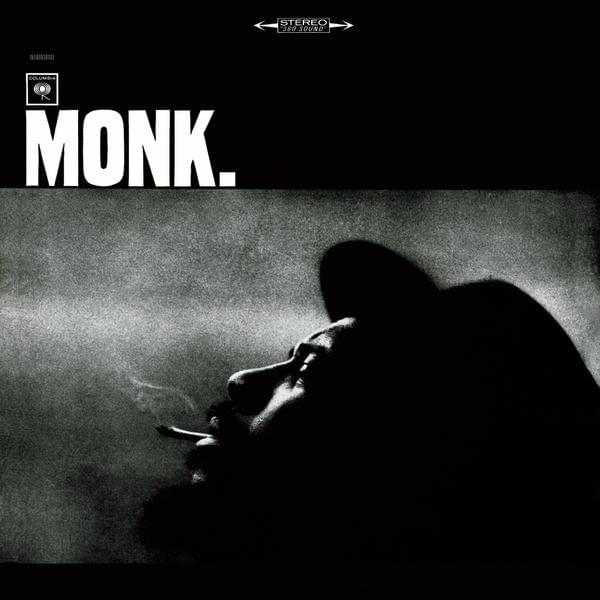
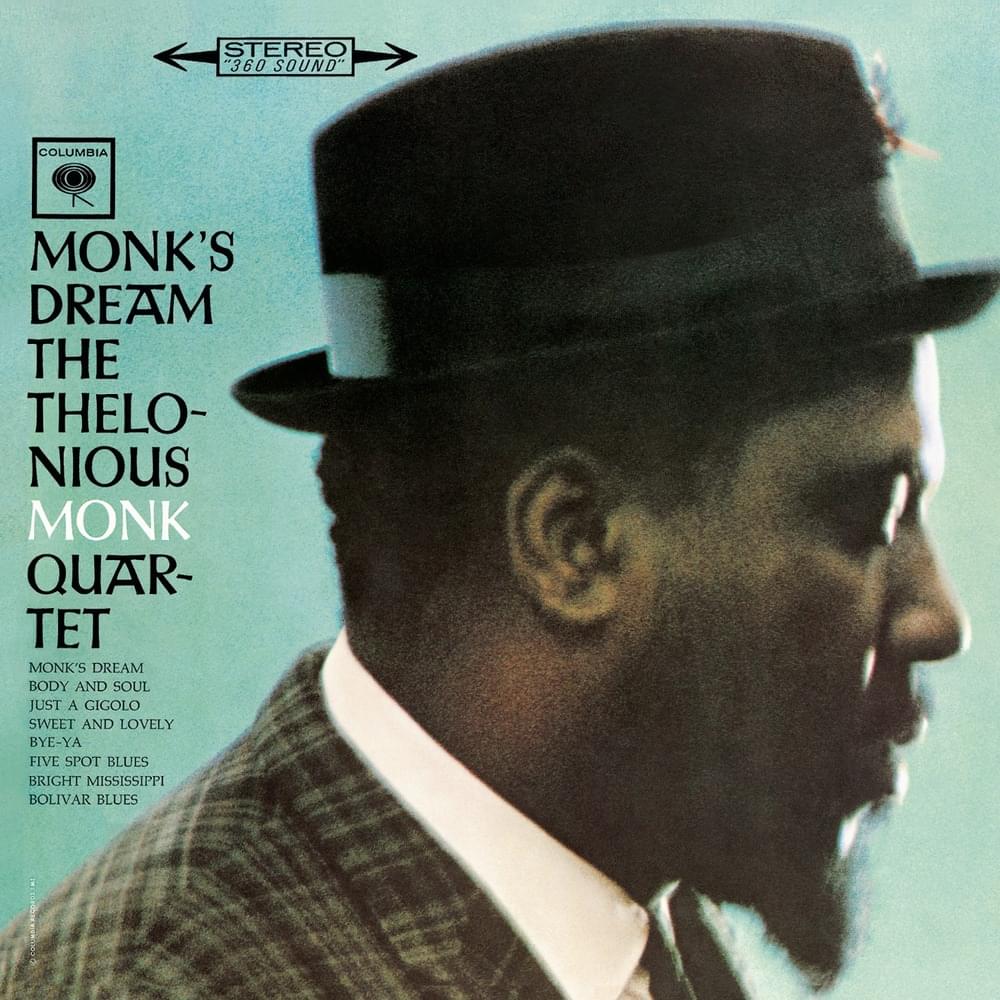
*Thelonious Alone in San Francisco* (1959) presents Monk in a solo setting. This album highlights his improvisational genius and his ability to create complete musical statements with just a piano. *Monk's Dream* (1963), his first album for Columbia Records, became his best-selling release. It expanded his audience and solidified his place in the jazz pantheon.
His albums demonstrate a remarkable consistency of vision. Yet each also reveals a different facet of his musical personality. From his early bebop explorations to his later solo performances, Monk's discography is a testament to his enduring creativity.
Hit Songs & Signature Tracks
While Monk wasn't necessarily focused on hit singles, several of his compositions became jazz standards. These tracks are instantly recognizable and have been performed and recorded by countless musicians. They have become cornerstones of the jazz repertoire.
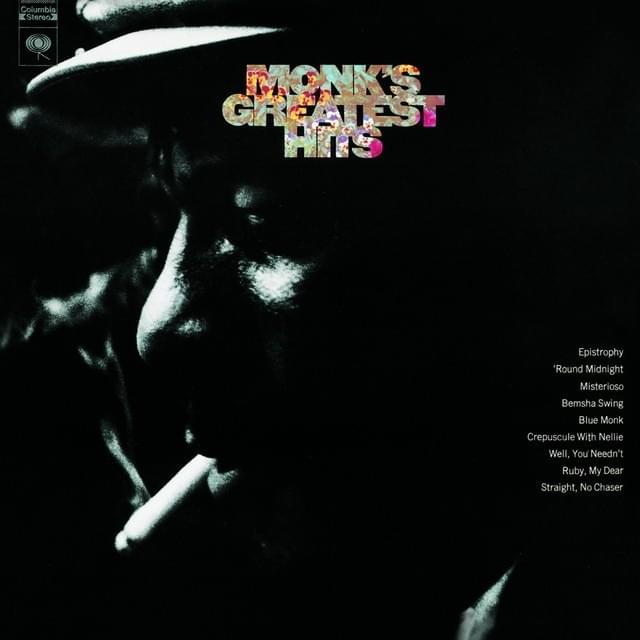
"Round Midnight" is arguably his most famous composition. This haunting ballad showcases Monk's ability to create deeply emotional and evocative music. It is a masterpiece of harmonic ambiguity and melodic grace. "Blue Monk" is another signature tune. It is a bluesy, swinging number that highlights Monk's playful side.
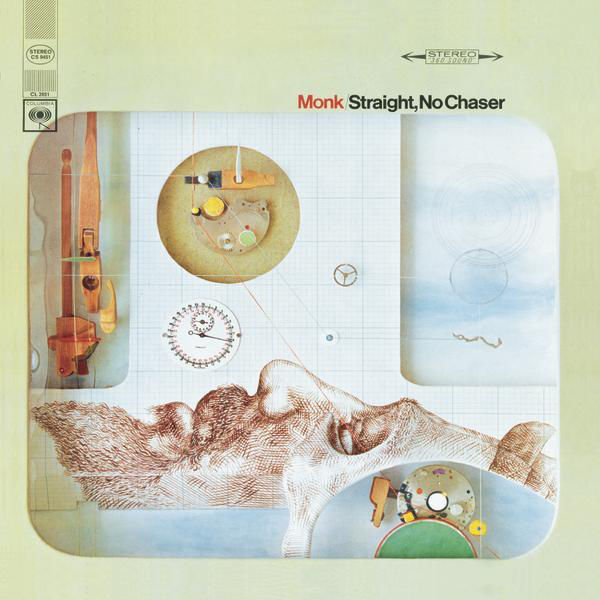
"Straight, No Chaser" is a quintessential Monk tune. It's a deceptively simple melody with a complex harmonic structure. It has become a favorite among jazz musicians for its improvisational possibilities. "Epistrophy," often performed as a closing theme, demonstrates Monk's unique rhythmic sensibility.
These songs, and many others in his catalog, have transcended their original context. They have become timeless expressions of the jazz spirit. They continue to inspire musicians and listeners alike.
Collaborations & Features
Monk collaborated with a wide range of musicians throughout his career. These collaborations offered him new opportunities to explore his music in different contexts. They also broadened his audience and introduced his music to new listeners.
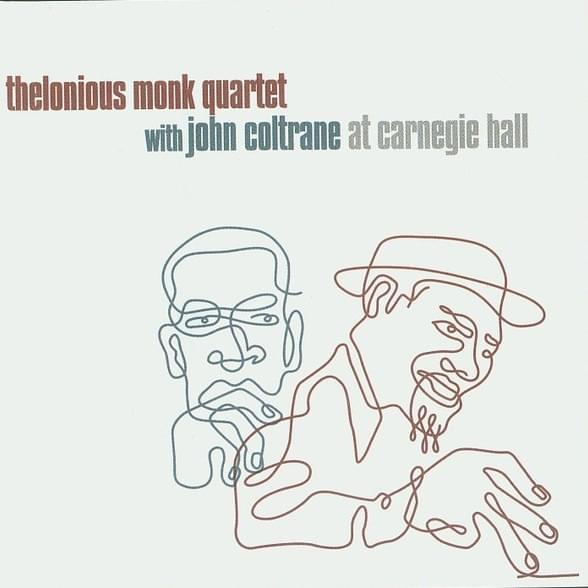
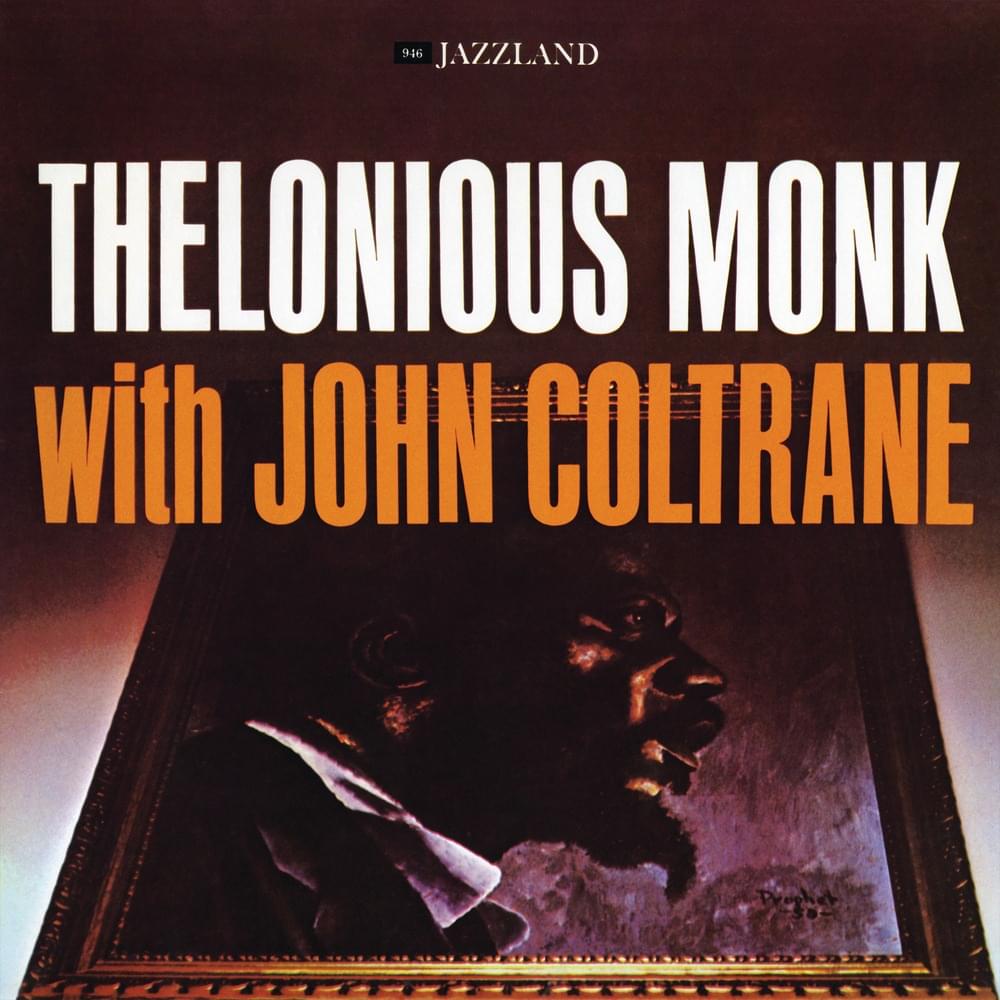
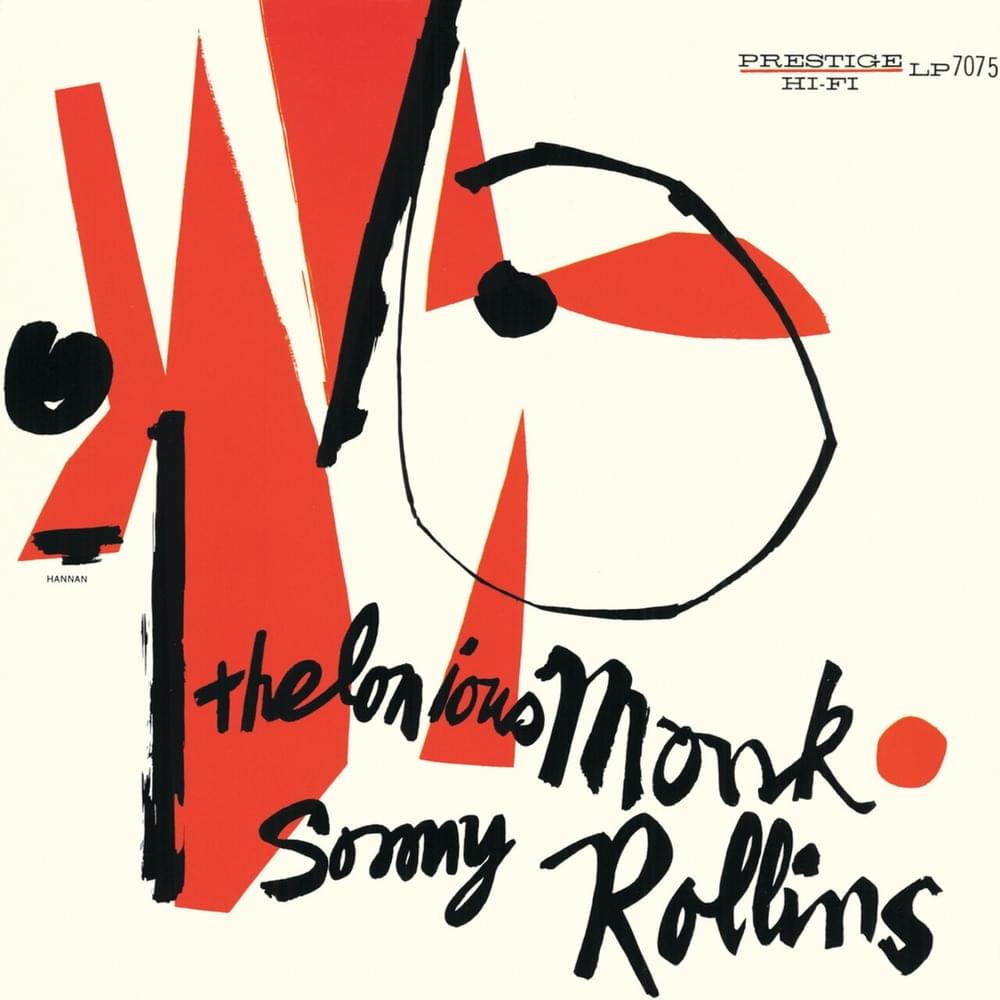
His collaborations with saxophonists John Coltrane and Sonny Rollins are particularly noteworthy. These collaborations pushed Monk's music to new heights. They showcased the interplay between his piano and the improvisational brilliance of these iconic saxophonists. Monk also worked with singers like Jon Hendricks. These collaborations demonstrated his versatility as a composer and arranger.
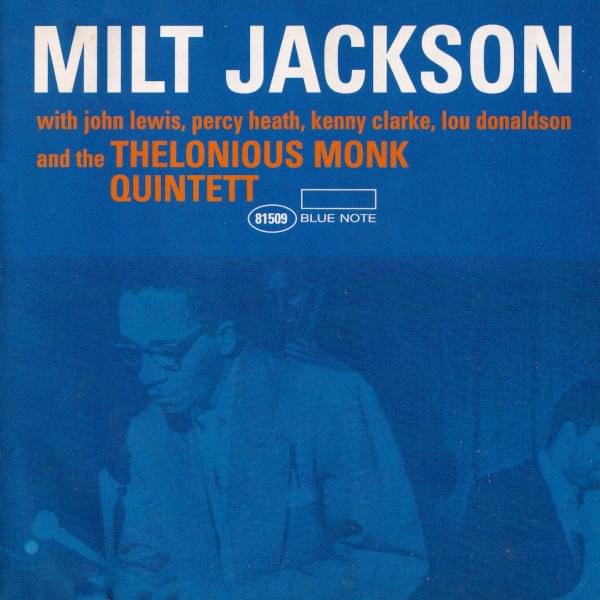
While Monk primarily focused on his own projects, he occasionally appeared as a featured guest on other artists' recordings. These appearances are rare gems. They offer a glimpse into his musical interactions with musicians outside of his core group.
Awards & Achievements
Monk's contributions to music have been recognized with numerous awards and accolades. These awards acknowledge his profound impact on jazz and his enduring legacy as a composer and performer.
He was awarded a Guggenheim Fellowship in 1969. He was inducted into the Grammy Lifetime Achievement Award in 1993. Monk was one of the first non-classical musicians to receive a special Pulitzer Prize in 2006. These honors reflect the high esteem in which he is held by the music community and the wider cultural world.
His compositions have been inducted into the Grammy Hall of Fame. They are recognized as works of lasting artistic significance. Monk's influence extends far beyond the realm of jazz. His music has inspired artists in various genres.
Personal Life
Monk was known for his eccentric personality and his distinctive style. He wore hats and sunglasses indoors. He was known for his silences. These quirks added to his mystique and contributed to his image as a nonconformist artist.
He struggled with mental health issues throughout his life. These struggles sometimes overshadowed his musical achievements. But his artistic genius ultimately prevailed. His music continues to resonate with audiences around the world. He was a devoted husband and father. His family provided him with unwavering support throughout his career.
Musical Style & Influence
Monk's musical style is instantly recognizable. It's characterized by its angular melodies, dissonant harmonies, and unconventional rhythms. He often used unusual voicings and chord clusters. These created a unique and distinctive sound.
He drew inspiration from a wide range of sources. These sources included stride piano, blues, and gospel music. He synthesized these influences into a completely original musical language. Monk's influence on jazz is immeasurable. He paved the way for generations of musicians to explore new harmonic and rhythmic possibilities. His compositions are studied and performed by jazz musicians around the world.
He has influenced countless artists across genres. From jazz to classical to rock. His legacy as a true innovator is secure. His music continues to challenge and inspire listeners.
Recent Work & What's Next
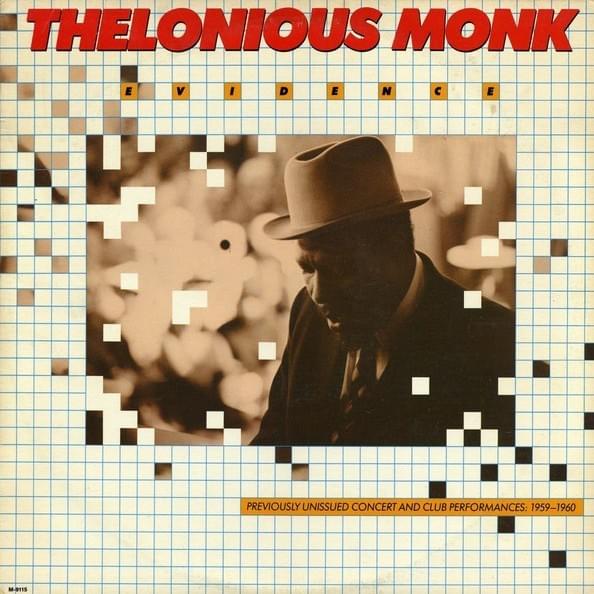
Though Thelonious Monk passed away in 1982, his music continues to be celebrated and reinterpreted. New recordings and reissues of his classic albums are constantly being released. These keep his music alive and accessible to new audiences.
Tributes and concerts honoring Monk's legacy are frequently held around the world. These events showcase the enduring power of his music and his influence on contemporary artists. His music lives on. It continues to inspire future generations of musicians. The legacy of Thelonious Monk is secure. He will forever be remembered as one of the giants of jazz.