The Sisters of Mercy: Goth Gods Still Reigning Darkly
Introduction & Current Status
The Sisters of Mercy, those shadowy overlords of goth rock, continue to cast a long, stylish shadow across the music scene. While a new studio album remains the stuff of legend (or, more accurately, fervent fan dreams), their live shows are still the stuff of dark, dramatic legend. Think dry ice, brooding vocals, and enough eyeliner to blot out the sun. They're not just a band; they're a whole aesthetic.
Despite a discography that's lean but mean, The Sisters of Mercy's influence looms large. They've spawned countless imitators, but none have quite captured the unique blend of Andrew Eldritch's sardonic wit, rumbling basslines, and the ever-present drum machine, Doktor Avalanche. They remain a main character in the goth narrative, proving that darkness never goes out of style.
They're not chasing trends; they *are* the trend for a certain subset of eternally cool music fans. The Sisters of Mercy aren't just a band from the '80s; they're a vibe, a mood, a lifestyle for those who embrace the night. Their concerts are less gigs and more like gothic gatherings, a testament to their enduring appeal.
Early Life & Background
The story of The Sisters of Mercy begins in Leeds, England, a city known for its post-punk grit and industrial landscapes – a fitting birthplace for a band that would become synonymous with dark, atmospheric rock. The band's nucleus formed around Andrew Eldritch (vocals, songwriting) and Gary Marx (guitar), who initially bonded over their shared love of bands like The Stooges and The Velvet Underground.
Eldritch, known for his deep baritone and cryptic lyrics, brought a literary sensibility to the band. He wasn’t just writing songs; he was crafting dark, romantic narratives. Marx, on the other hand, contributed the raw guitar energy that would become a signature element of their early sound. Their initial influences were diverse, ranging from punk rock rebellion to the more experimental sounds of the late '70s.
The name “The Sisters of Mercy” itself is a nod to Robert Altman's film *McCabe & Mrs. Miller*, adding another layer of cool obscurity to their already mysterious persona. It wasn't just a band name; it was a statement, a hint of the cinematic darkness that would permeate their music.
Career Beginnings
The Sisters of Mercy's early days were marked by DIY ethic and a commitment to their unique vision. They started releasing singles independently, building a devoted following through relentless gigging and word-of-mouth buzz. Their early releases, like The Reptile House E.P. [EP], showcased their distinctive sound: a blend of post-punk energy, gothic atmosphere, and Eldritch's unmistakable vocals.
Doktor Avalanche, their drum machine, quickly became an integral member of the band, providing a relentless, driving beat that set them apart from their contemporaries. It wasn't just a drum machine; it was a character, a constant presence in their music. Early tracks gained traction on the UK independent charts, signaling that something special was brewing in the Leeds underground.
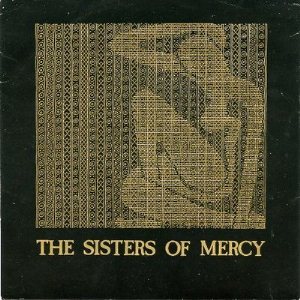
Their breakthrough moment arrived with singles like “Alice”. This success led to wider recognition and eventually paved the way for their major-label debut. The Sisters of Mercy were on their way, ready to bring their brand of gothic rock to the masses.
Major Albums & Discography
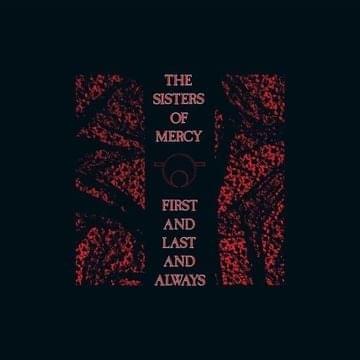
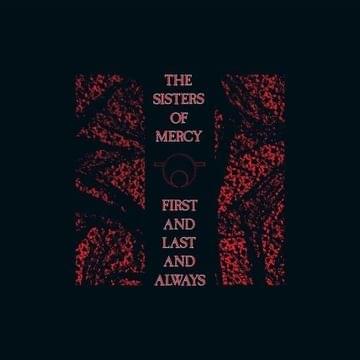
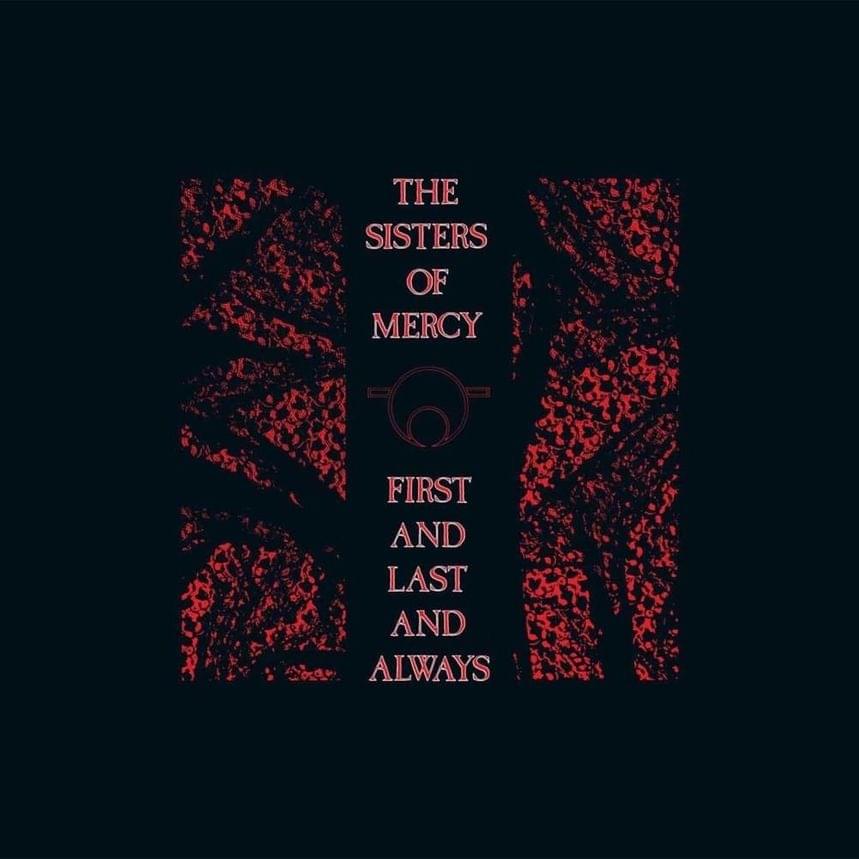
The Sisters of Mercy's discography is a testament to quality over quantity. Their debut album, First and Last and Always, is a stone-cold classic. Released in 1985, it perfectly encapsulates their early sound: raw, energetic, and dripping with gothic atmosphere. Tracks like "Marian" became instant anthems, solidifying their place in the burgeoning goth scene.
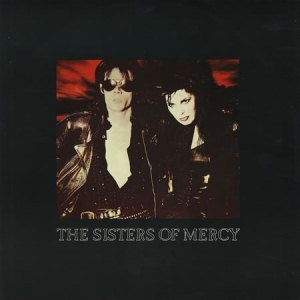
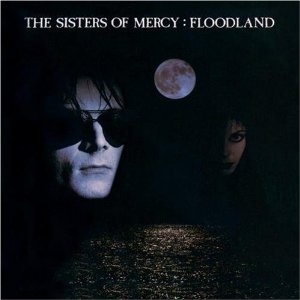
Floodland, released in 1987, saw the band embrace a more epic, cinematic sound. Produced by Alan Moulder, the album is characterized by its layered production, sweeping arrangements, and Eldritch's increasingly theatrical vocals. This Corrosion, with its bombastic chorus and soaring orchestration, became a signature track.
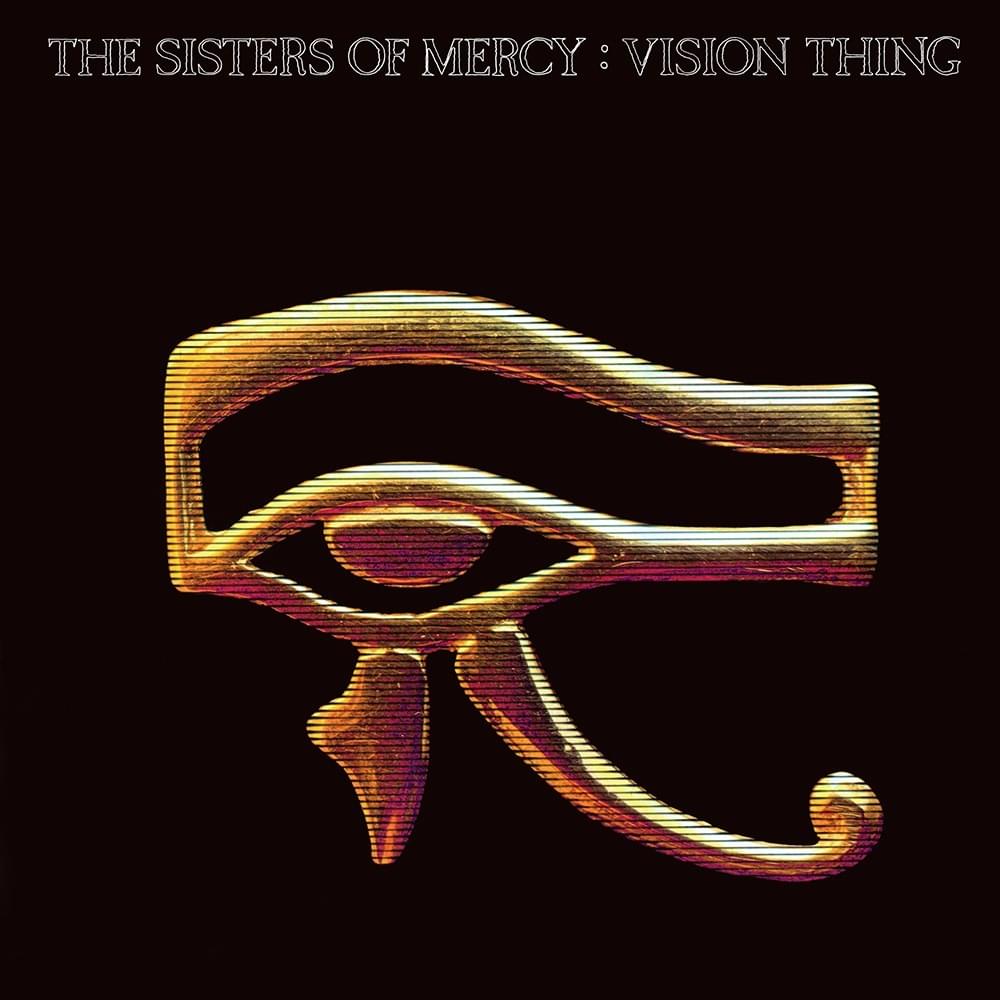
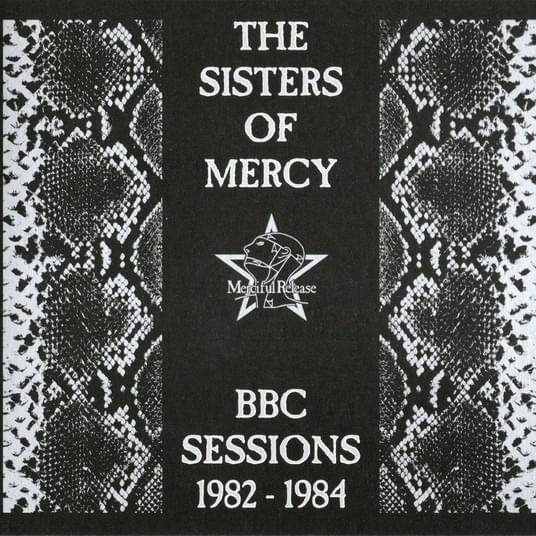
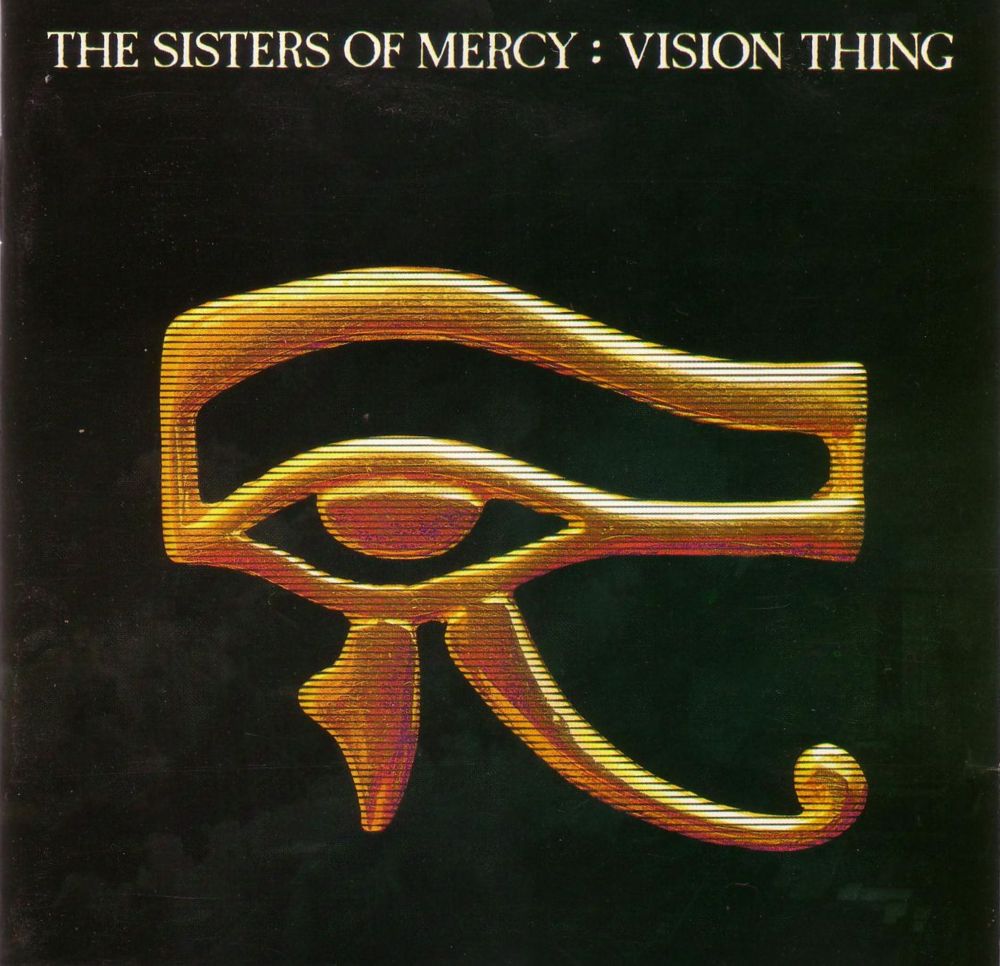
1990's Vision Thing marked a shift towards a more hard-rock influenced sound. Produced by Andrew Eldritch and featuring guitar work from Pete Briquette, the album is a more aggressive and guitar-driven affair than its predecessors. While it divided some fans, it showcased the band's willingness to experiment and push their sonic boundaries. They also have compilation albums such as A Slight Case of Overbombing: Greatest Hits Volume One and BBC Sessions 1982-1984.
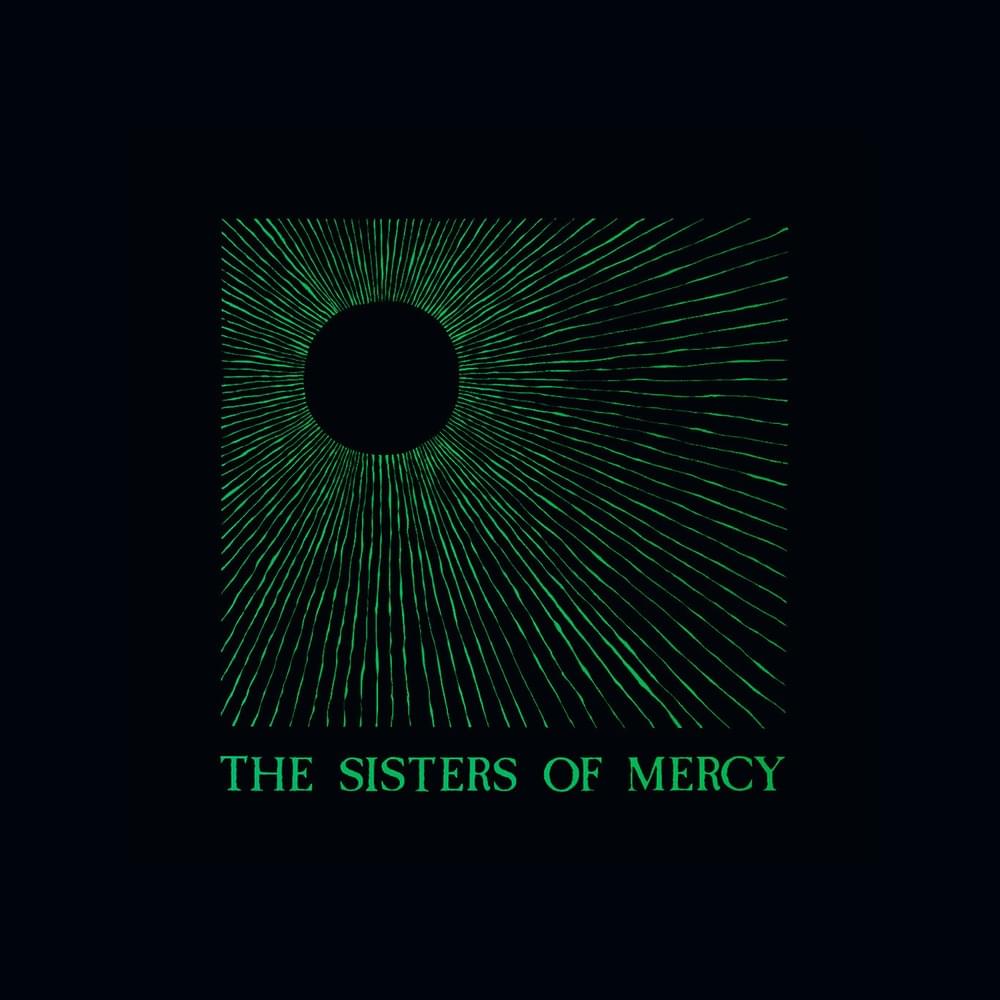
Notably, Some Girls Wander by Mistake, and its remastered version Some Girls Wander by Mistake (2017 Remaster), compile early singles and EPs, offering a glimpse into the band's formative years.
Hit Songs & Signature Tracks
The Sisters of Mercy boast a collection of tracks that have become anthems for the goth subculture. This Corrosion is arguably their most iconic song, a sprawling epic with a massive, almost operatic chorus. Its music video, filmed in Scotland, only adds to its grandeur. The song's theatricality and over-the-top production perfectly embody the band's larger-than-life persona.
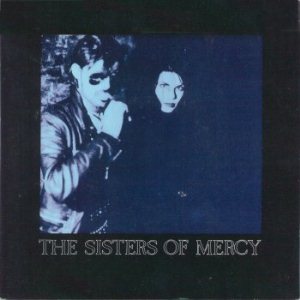
Lucretia My Reflection is another fan favorite, a driving, danceable track with a darkly romantic edge. Its catchy chorus and propulsive beat make it a staple on goth club dance floors. The song's lyrics, inspired by Eldritch's then-girlfriend, add a personal touch to its gothic grandeur.
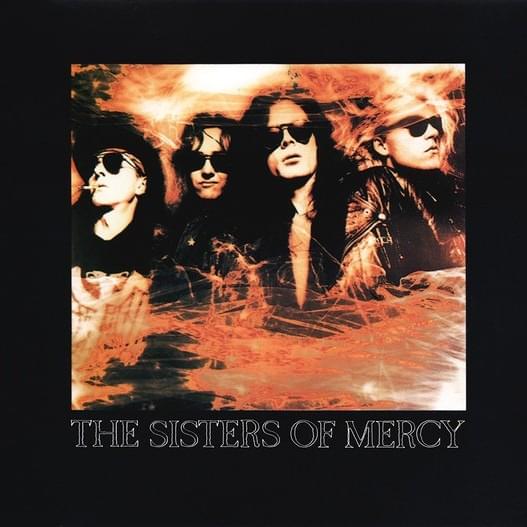
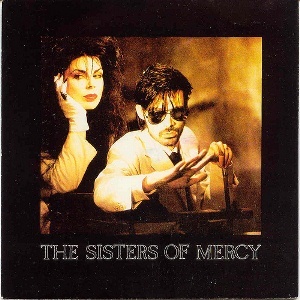
Dominion / Mother Russia is a powerful, politically charged track that showcases the band's ability to blend gothic atmosphere with social commentary. The song's haunting melodies and thought-provoking lyrics make it a standout in their discography. Other key tracks include Flood I and Flood II from the Floodland album, showcasing the album's cohesive and immersive sound.
Even lesser-known tracks like 1959 and Never Land (A Fragment) showcase the breadth of their songwriting. Tracks like Driven Like the Snow, Torch and Colours highlight their versatility and depth, proving they are more than just a one-hit wonder.
Collaborations & Features
While The Sisters of Mercy are primarily known for their distinct and self-contained sound, Andrew Eldritch has engaged in collaborations and guest appearances over the years. He famously collaborated with German industrial band Die Krupps on a cover of The Beatles' "Help!", showcasing his willingness to experiment with different genres.
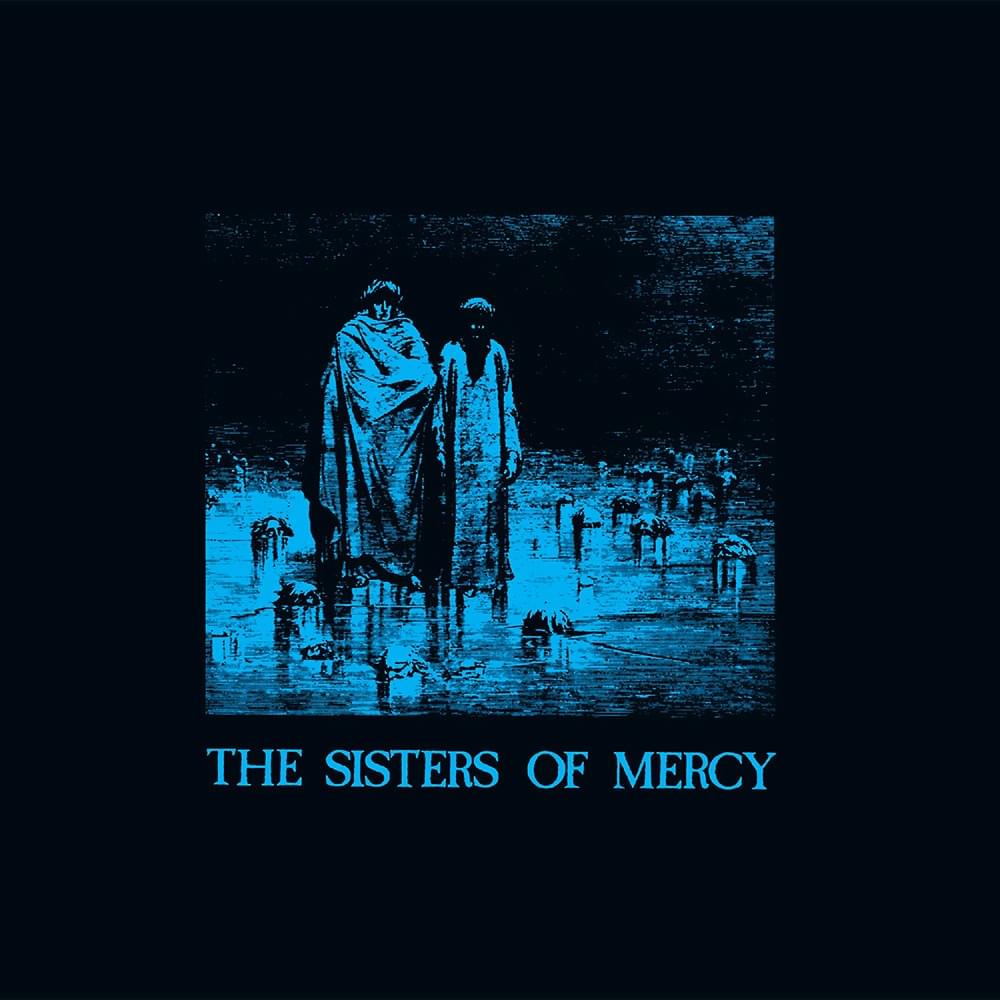
Eldritch has also been known to lend his vocal talents to other artists' projects, though these collaborations are relatively rare. His distinctive voice and unique persona make him a sought-after collaborator for artists looking to add a touch of gothic mystique to their work. While not a collaboration, Body and Soul [EP] shows the band's capability as a group.
These collaborations, though infrequent, highlight Eldritch's diverse musical interests and his willingness to step outside of The Sisters of Mercy's established sound. They offer a glimpse into the creative mind of one of goth rock's most enigmatic figures.
Awards & Achievements
While The Sisters of Mercy haven't amassed a huge collection of mainstream awards, their influence and impact on music are undeniable. Their albums have consistently charted in the UK and Europe, and their singles have become staples on alternative radio. They achieved significant success on the UK Independent charts early in their career, a testament to their DIY ethos and dedicated fanbase.
Their enduring legacy is perhaps their greatest achievement. They've inspired countless bands and artists across various genres, and their music continues to resonate with fans old and new. The Sisters of Mercy aren't about chasing awards; they're about creating a lasting impact, and that's something they've undoubtedly achieved.
Their cultural impact far outweighs any lack of mainstream accolades. They are, simply put, goth rock royalty.
Personal Life
Andrew Eldritch, the enigmatic frontman of The Sisters of Mercy, has always maintained a degree of privacy regarding his personal life. He's known for his intellectual pursuits and his love of literature, often incorporating literary references into his lyrics. While he's been the subject of much speculation and rumor, he's largely avoided the tabloid spotlight.
Beyond music, Eldritch has expressed interest in technology and has been known to be a keen observer of social and political trends. He's a complex and multifaceted figure who defies easy categorization. His focus remains primarily on his music and his artistic vision, leaving the details of his personal life largely shrouded in mystery.
Musical Style & Influence
The Sisters of Mercy's musical style is a unique blend of gothic rock, post-punk, and hard rock influences. Their sound is characterized by Andrew Eldritch's deep baritone vocals, Doktor Avalanche's relentless drum machine beats, and a darkly atmospheric guitar sound. They've been described as everything from "gothic cowboys" to "the kings of darkness," and their music has been credited with helping to define the goth rock genre.
They draw inspiration from a wide range of artists, including The Stooges, The Velvet Underground, and Leonard Cohen. In turn, they've influenced countless bands across various genres, from metal to electronic music. Their impact on the goth subculture is undeniable, and their music continues to resonate with fans who appreciate its dark, romantic, and often ironic sensibility.
The Sisters of Mercy's legacy extends beyond music. They've influenced fashion, art, and film, and their aesthetic continues to inspire artists and designers today. They're not just a band; they're a cultural phenomenon.
Recent Work & What's Next
While a new studio album remains elusive, The Sisters of Mercy continue to tour extensively, bringing their dark and dramatic live show to fans around the world. Their concerts are a testament to their enduring appeal, drawing crowds of devoted fans who come to revel in their gothic grandeur. Rumors of new music continue to circulate, fueling anticipation among their loyal following.
Whatever the future holds, The Sisters of Mercy's legacy is secure. They remain one of the most influential and iconic bands in goth rock history, and their music will continue to resonate with fans for generations to come.