The Notorious B.I.G.: Still Reigning
Introduction & Current Status
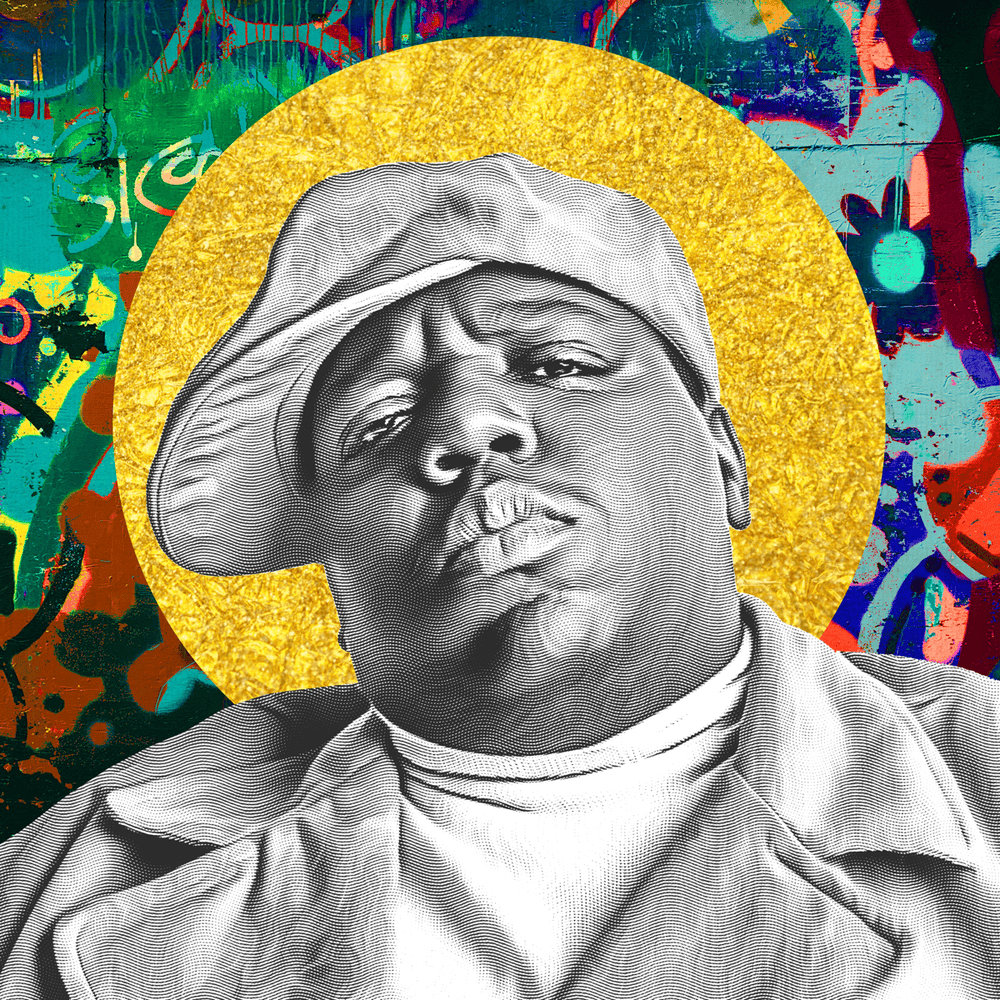
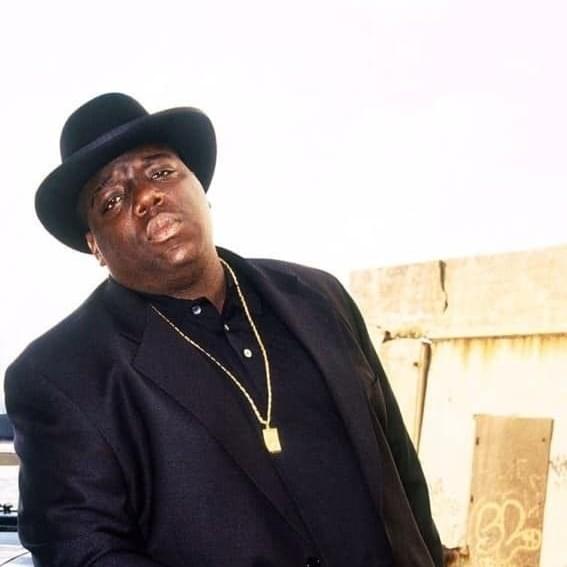
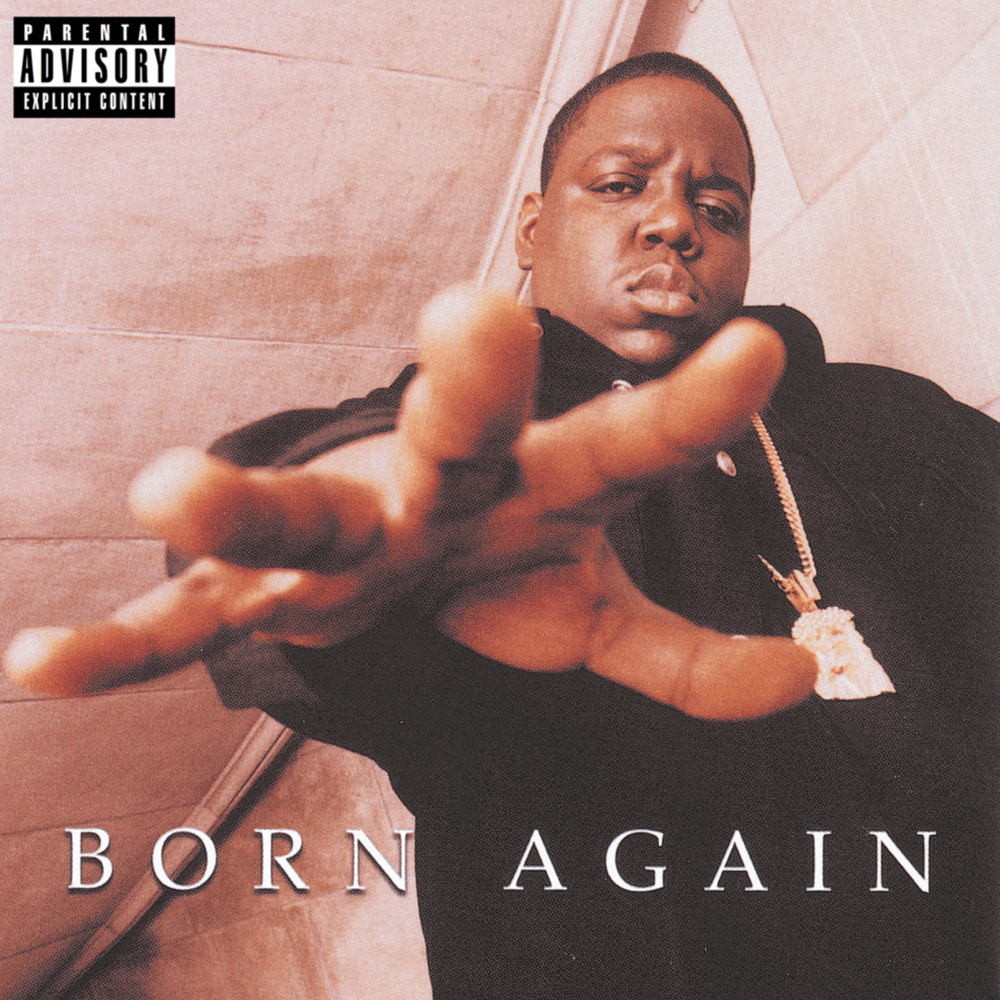
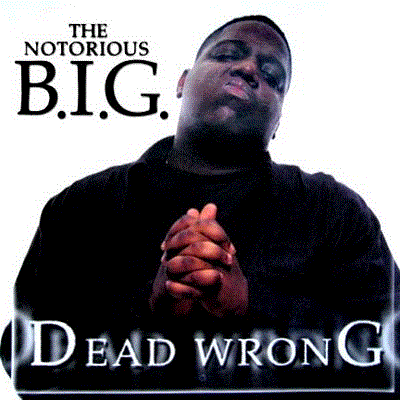
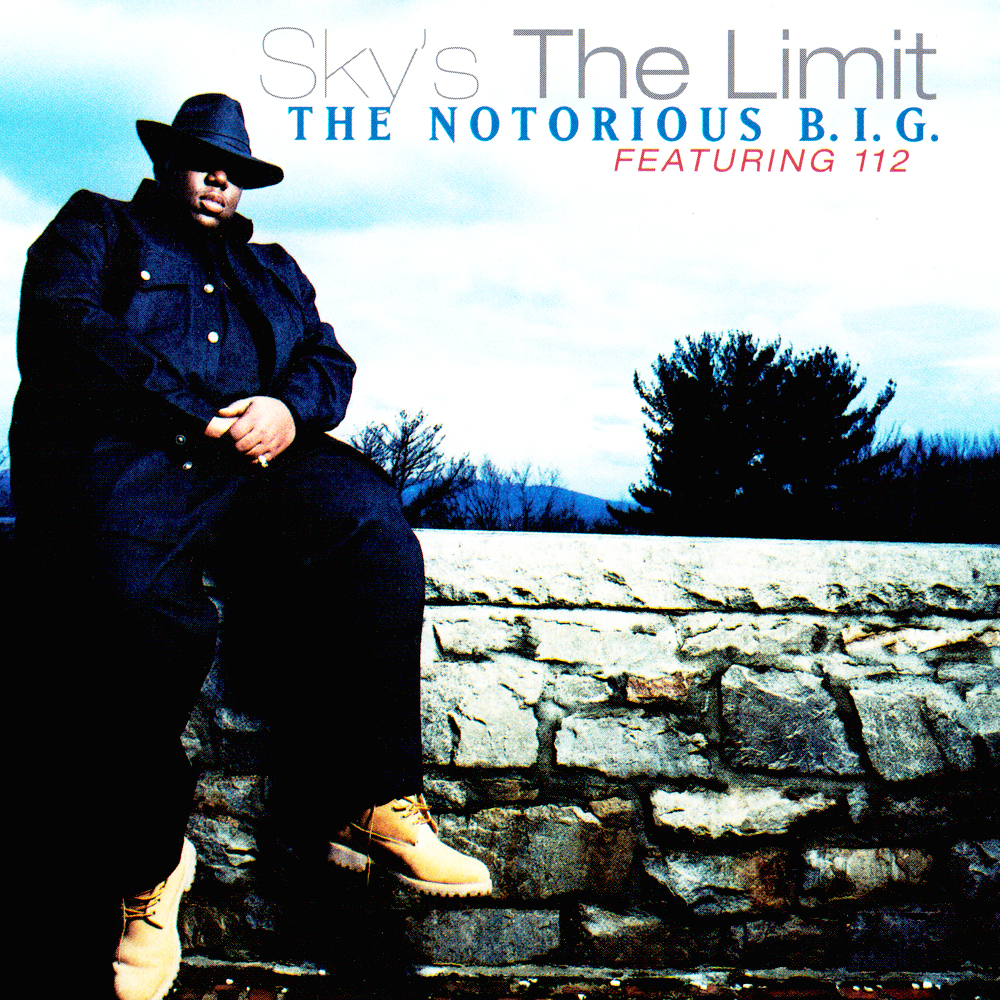
The Notorious B.I.G., aka Biggie Smalls, aka Christopher Wallace, isn't just a name from hip-hop history. He's a cultural icon whose music continues to influence artists and dominate playlists. Even decades after his untimely death, Biggie's flow, storytelling, and larger-than-life persona remain unmatched.
His tracks still slap, showing up in movies, TV shows, and TikTok trends. Biggie's impact goes beyond mere nostalgia; he's a foundational figure whose work helped shape the sound of modern hip-hop. His influence is so profound that even Gen Z, who weren't around during his reign, recognize his lyrical genius.
Biggie's music is timeless, resonating with new generations who discover his raw honesty and undeniable swagger. His legacy as one of the greatest rappers of all time is secure, and his music continues to inspire and entertain.
Early Life & Background
Born Christopher George Latore Wallace in Brooklyn, New York, Biggie's early life was far from glamorous. Raised by his single mother, Voletta Wallace, he grew up in the Clinton Hill section of Brooklyn during the crack epidemic. This environment shaped his worldview and provided the raw material for his vivid storytelling.
Despite the challenges, Biggie excelled academically in his younger years, showcasing a sharp intellect that would later translate into complex rhyme schemes and lyrical dexterity. Music became an escape and a way to express the realities of his surroundings. Early influences included iconic rappers like Rakim, Big Daddy Kane, and KRS-One.
His childhood experiences, both the good and the bad, fueled his ambition and provided the narrative depth that would define his career. Brooklyn in the '80s and early '90s was a pressure cooker of social and economic forces, and Biggie became its poet laureate.
Career Beginnings
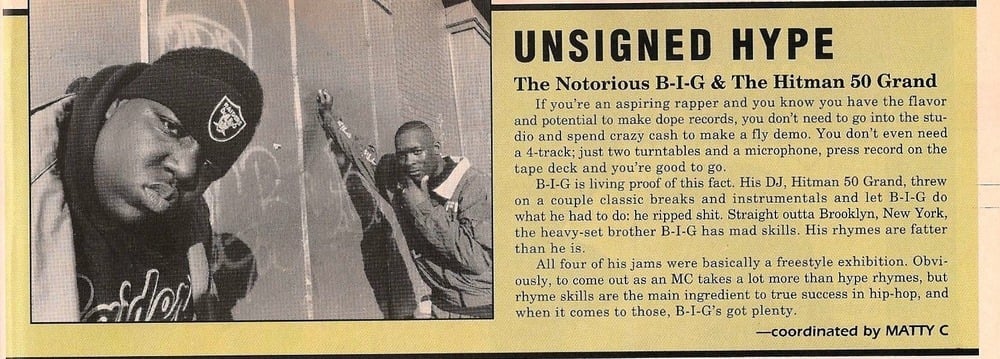
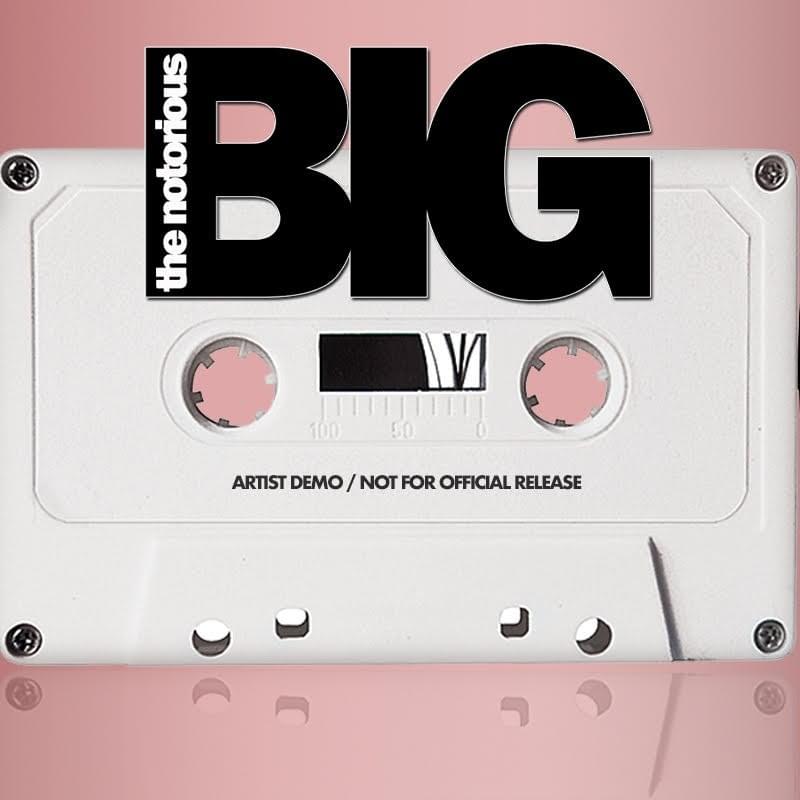
Biggie's career officially kicked off when he dropped a demo tape that caught the ear of Sean "Puffy" Combs, then an A&R executive at Uptown Records. Puffy instantly recognized Biggie's potential and signed him. However, when Puffy got fired from Uptown and started his own label, Bad Boy Records, Biggie followed him. This proved to be a pivotal moment.
Early struggles included navigating the cutthroat world of the music industry and honing his craft while dealing with the temptations and dangers of street life. His first major exposure came through guest appearances on remixes and singles by other artists on Bad Boy. These appearances generated buzz and anticipation for his solo work.
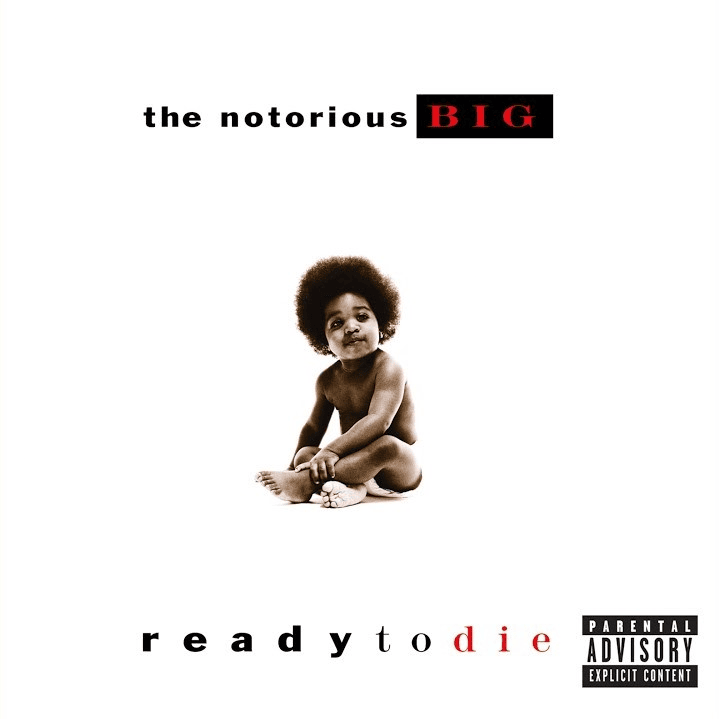
The breakthrough moment arrived with the release of his debut album, "Ready to Die." The album's success transformed Biggie from a promising newcomer into a bonafide superstar, solidifying Bad Boy Records as a major force in hip-hop. Puffy's belief in Biggie was validated, and a legendary partnership was born.
Major Albums & Discography
"Ready to Die," released in 1994, is widely considered a classic hip-hop album. It painted a vivid picture of street life in Brooklyn, blending raw storytelling with undeniable charisma. The album spawned hit singles and established Biggie as a major force in the genre.
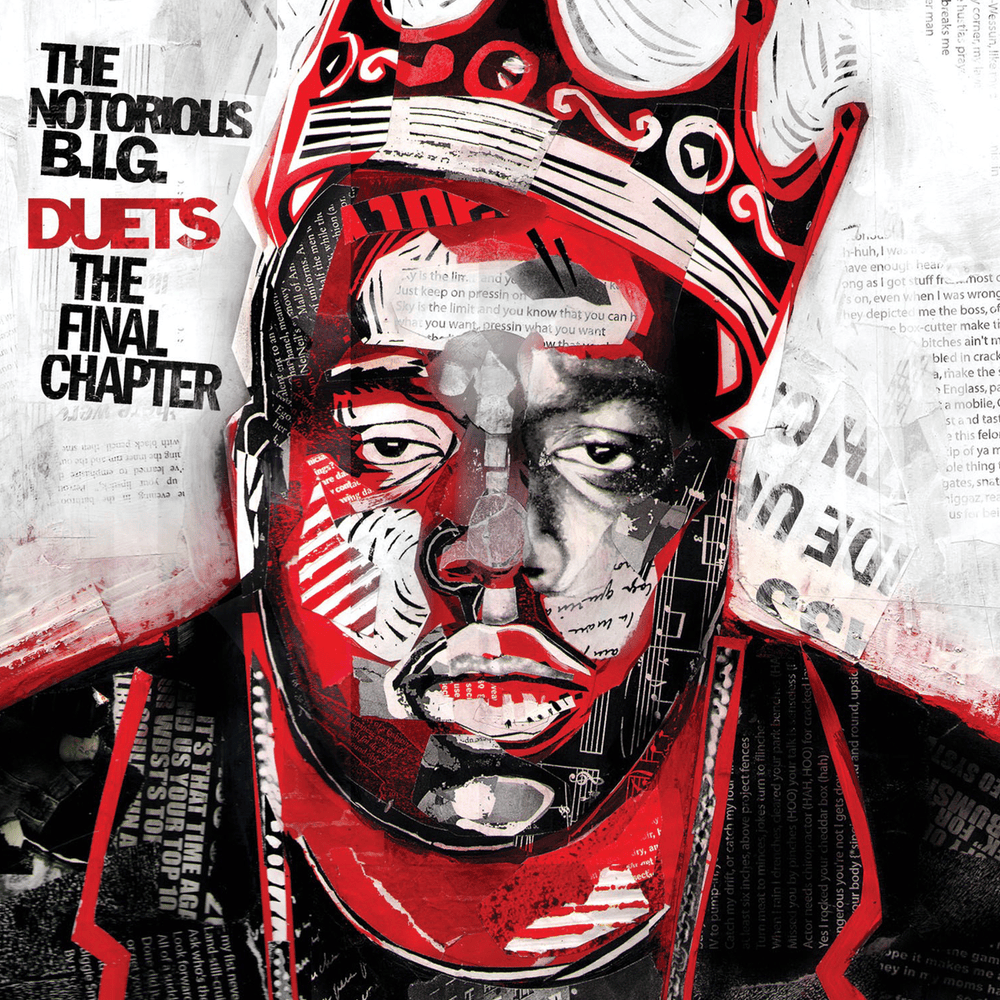
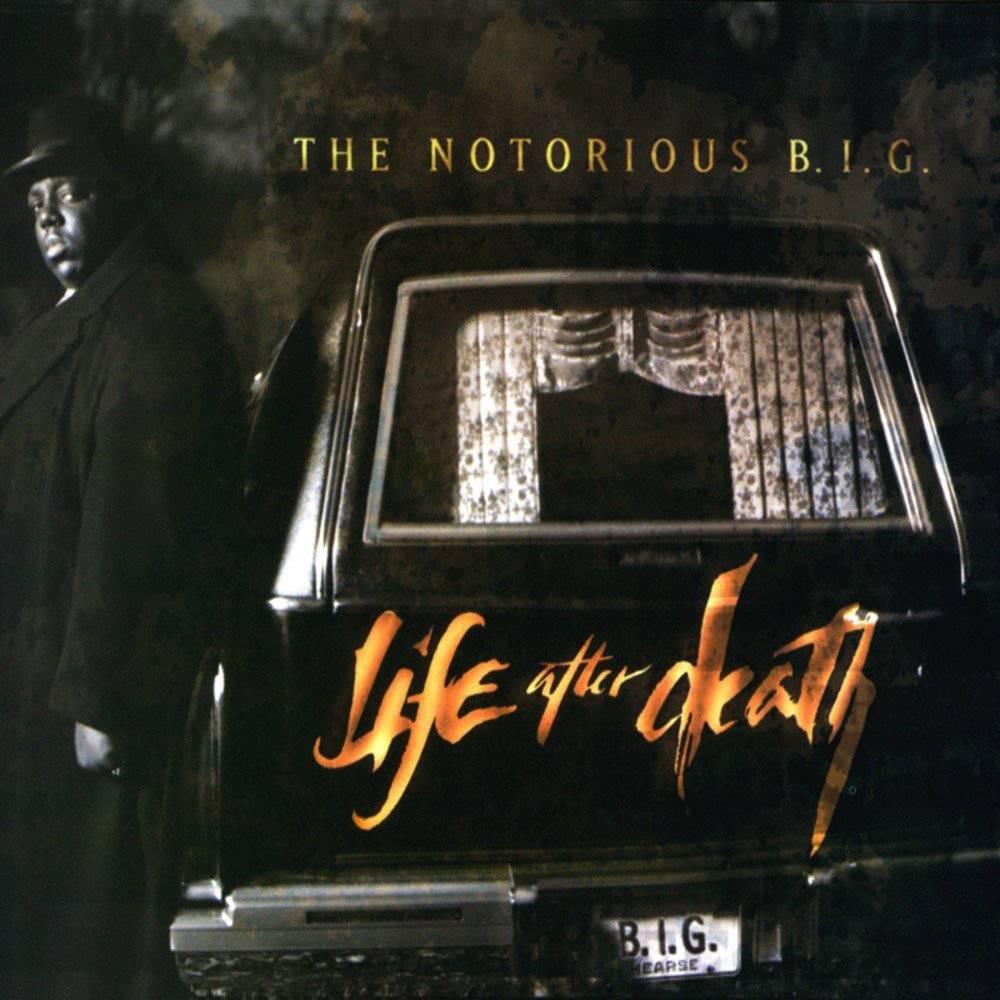
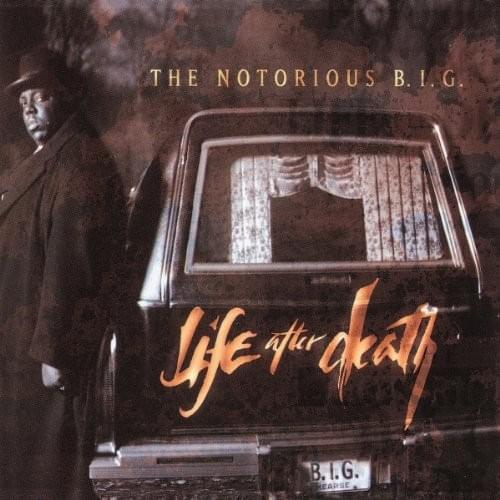
His second album, "Life After Death," was released posthumously in 1997. This ambitious double album showcased Biggie's evolution as an artist, exploring themes of success, excess, and mortality. It further cemented his status as a lyrical genius and solidified his legacy.
While his discography consists of only two studio albums, their impact is undeniable. Both albums achieved massive commercial success and critical acclaim, influencing countless artists and shaping the sound of hip-hop for years to come. The albums remain essential listening for anyone interested in the history of the genre.
Hit Songs & Signature Tracks
Juicy is arguably Biggie's most iconic track, an aspirational anthem about overcoming adversity and achieving success. Its infectious beat and relatable lyrics resonated with audiences worldwide, becoming a defining song of the '90s. Juicy's legacy endures, continuing to inspire and uplift listeners.
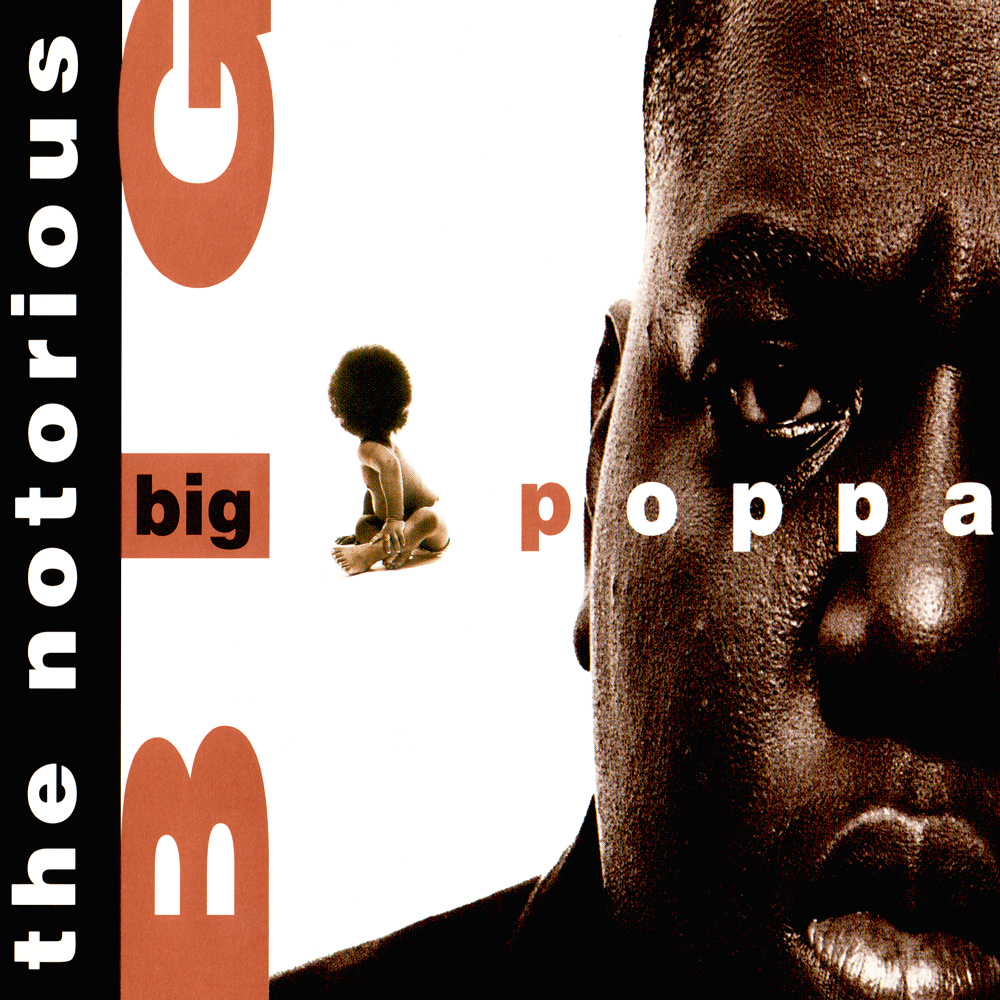
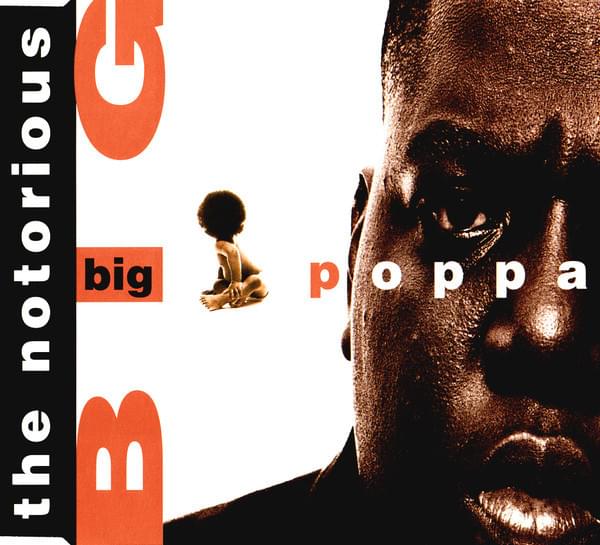
Big Poppa is another signature track, showcasing Biggie's smooth flow and playful lyrics. Its laid-back vibe and seductive lyrics made it a club staple and a crossover hit. Big Poppa solidified Biggie's reputation as a charismatic and versatile artist.
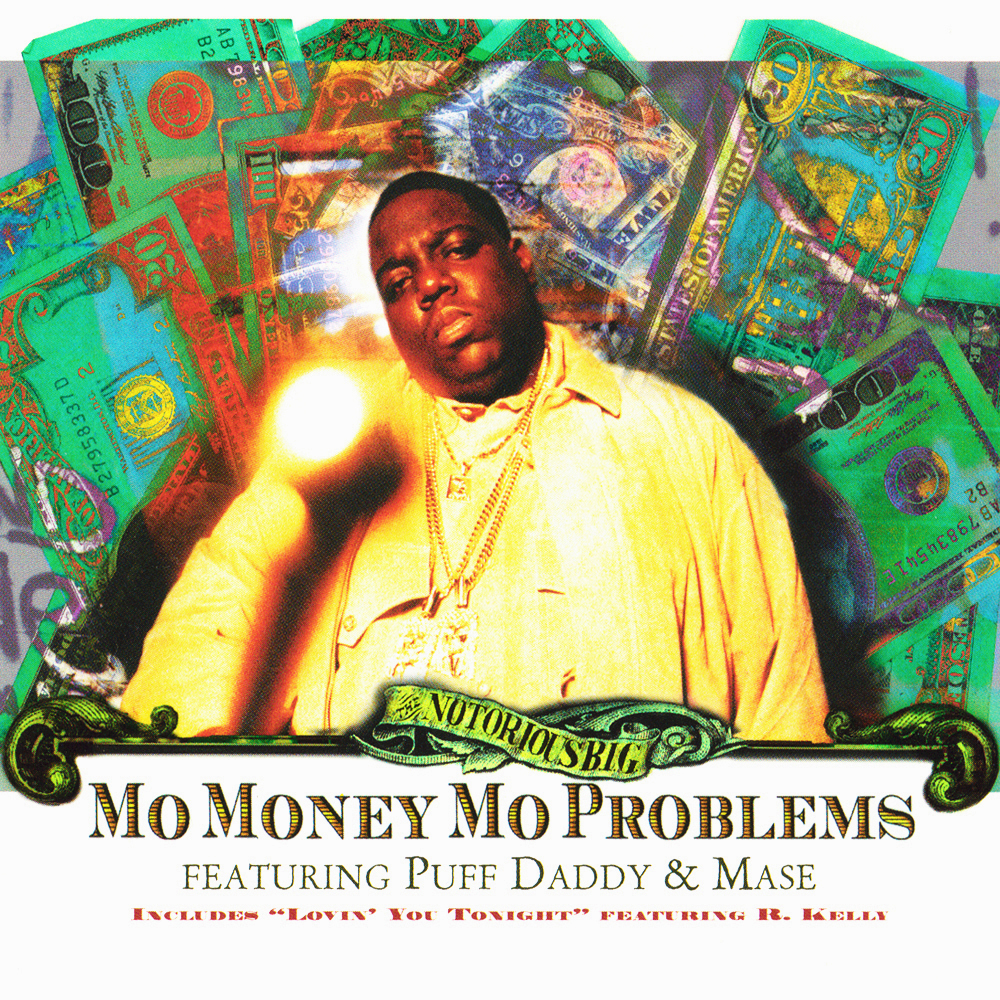
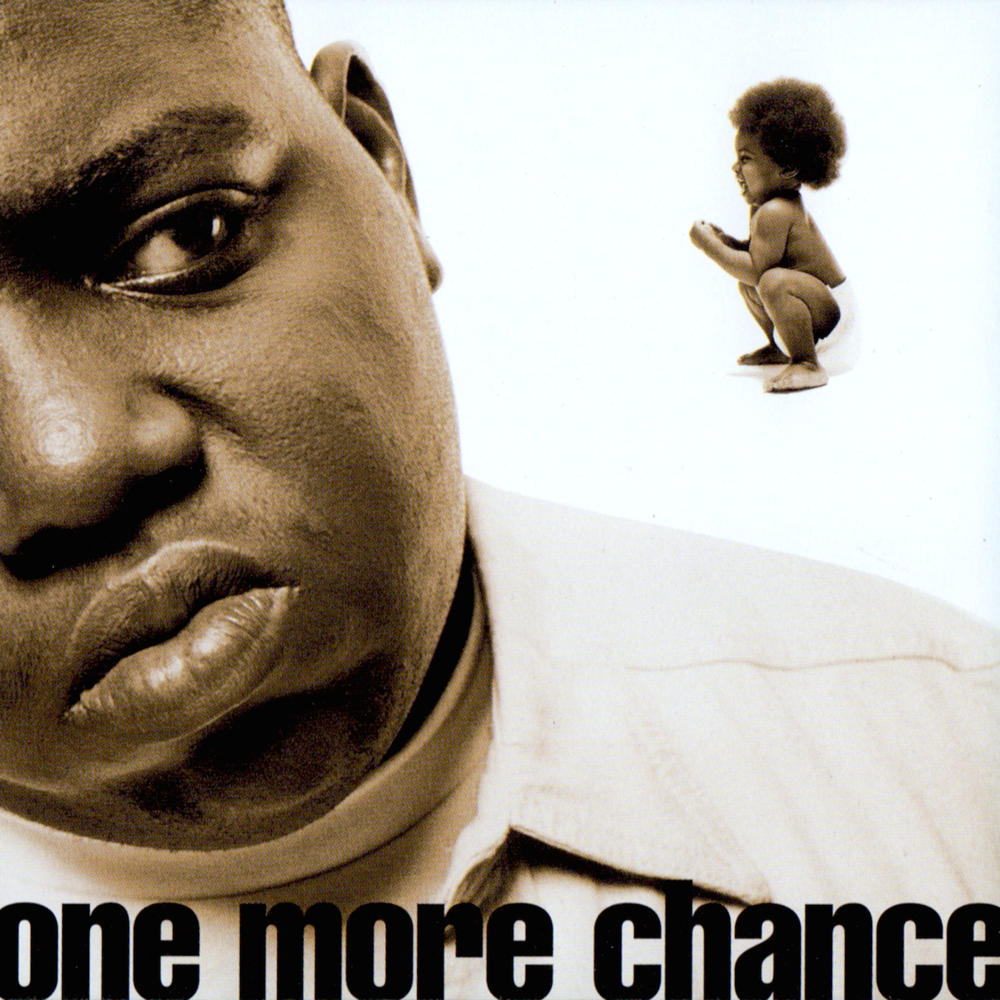
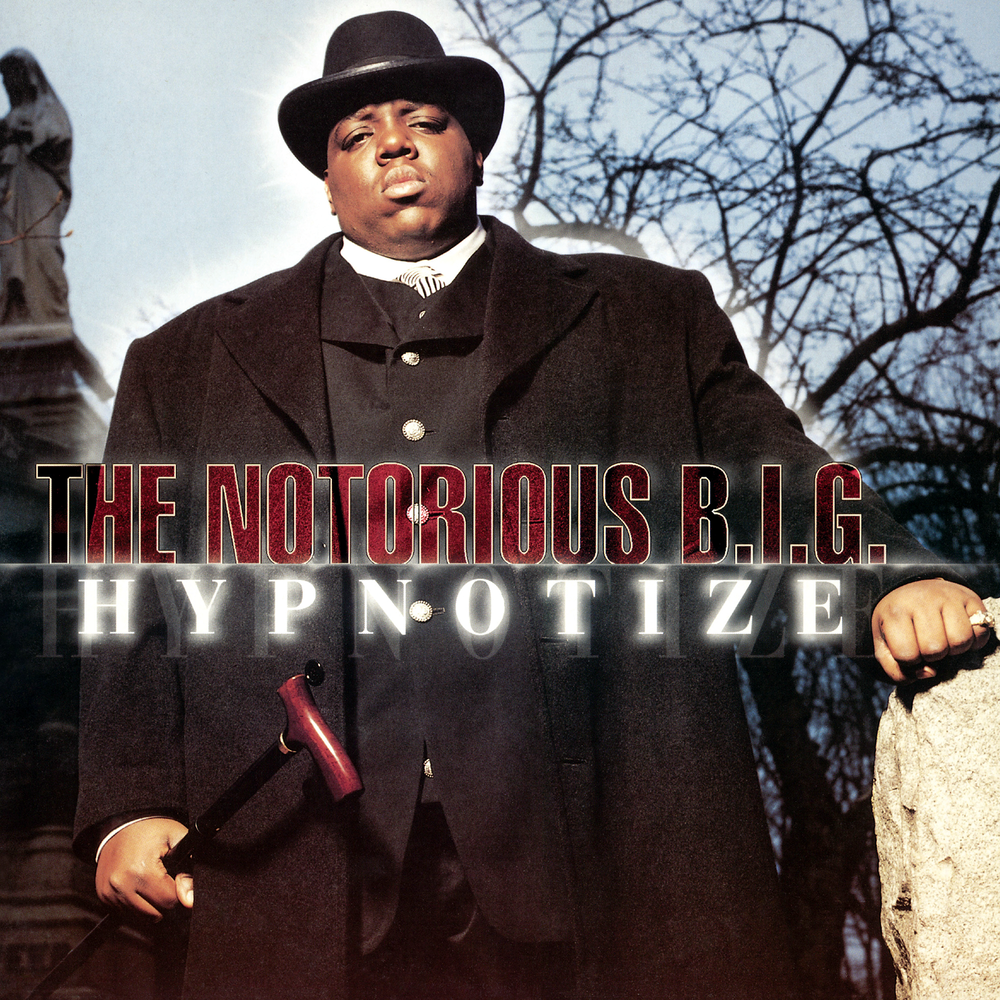
Other hits include "Hypnotize," "One More Chance," and "Warning," each showcasing different aspects of Biggie's artistry. From hard-hitting street anthems to smooth, romantic ballads, Biggie demonstrated his range and versatility, solidifying his place as one of the greatest rappers of all time. Juicy remains a fan favorite.
Juicy helped launch him to stardom. The radio edit of Juicy made the track accessible to a wider audience. The track Juicy earned platinum certification. Juicy is a classic rags-to-riches story. Juicy is still relevant today. Another hit, Big Poppa, was a club anthem. People still play Big Poppa at parties. Big Poppa is known for its smooth beat. Big Poppa was a major success for Biggie. Big Poppa showcased his charisma.
Juicy remains his most recognizable song. Juicy captures the essence of his journey. Another hit song was, of course, Big Poppa. Big Poppa showcased his lighter side.
Collaborations & Features
Biggie collaborated with a diverse range of artists during his career, showcasing his versatility and appeal. One notable collaboration was with R&B group Total on the track "Can't You See," which became a major hit. His collaborations often blurred the lines between hip-hop and R&B, expanding his audience and influence.
He also appeared as a featured artist on tracks by Mary J. Blige, LL Cool J, and Heavy D, further solidifying his status as a sought-after collaborator. These collaborations demonstrated his ability to adapt to different styles and contribute to the success of other artists.
His collaborations helped to bridge gaps between different genres and audiences, contributing to the evolution of hip-hop as a mainstream force. Biggie's willingness to work with artists from diverse backgrounds reflected his open-mindedness and his desire to push the boundaries of his own music.
Awards & Achievements
Biggie's impact on the music industry is reflected in his numerous awards and achievements. He was nominated for multiple Grammy Awards, including Best Rap Album for "Ready to Die." While he didn't win during his lifetime, his posthumous success led to further recognition.
"Ready to Die" and "Life After Death" both achieved diamond certification, signifying sales of over 10 million copies each. This is a rare feat in hip-hop, demonstrating the enduring popularity of his music. He also topped the Billboard charts with multiple singles and albums, solidifying his commercial success.
Beyond the awards and certifications, Biggie's greatest achievement is his lasting impact on hip-hop culture. He inspired countless artists and continues to influence the sound of modern music. His legacy as one of the greatest rappers of all time is secure.
Personal Life
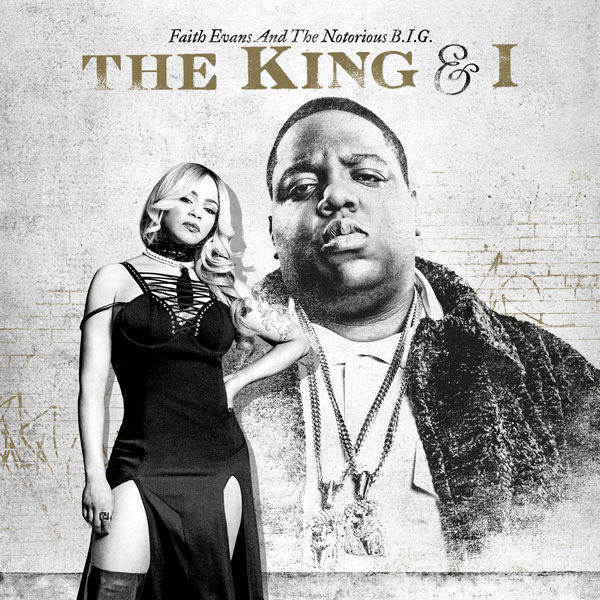
Biggie's personal life was often intertwined with his music, reflecting the realities of his environment and experiences. He was married to R&B singer Faith Evans, and their relationship was often the subject of public scrutiny. He also had a son, Christopher Jordan Wallace Jr., who has followed in his father's footsteps as an actor.
Despite his success, Biggie remained connected to his community, often giving back and supporting local initiatives. He understood the importance of using his platform to uplift others and inspire positive change. His personal life, though complex, reflected his humanity and his commitment to his roots.
Musical Style & Influence
Biggie's musical style is characterized by his smooth flow, intricate rhyme schemes, and vivid storytelling. He possessed a rare ability to paint pictures with his words, bringing his experiences to life in a way that resonated with listeners. His music often explored themes of street life, ambition, and the pursuit of success.
He was influenced by a wide range of artists, including jazz musicians, soul singers, and fellow rappers. He blended these influences into a unique sound that was both innovative and timeless. His influence can be heard in the work of countless artists who followed, from Jay-Z to Drake.
Biggie's legacy extends beyond his musical talent. He helped to shape the sound and aesthetic of hip-hop, influencing fashion, language, and attitudes. He remains a cultural icon, and his music continues to inspire and entertain new generations.
Recent Work & What's Next
While Biggie passed away in 1997, his music continues to be re-released, remixed, and sampled by artists around the world. His estate continues to manage his legacy, ensuring that his music remains accessible to fans old and new. There are always new generations discovering his music.
Documentaries, biopics, and tribute albums continue to celebrate his life and work, keeping his memory alive. Biggie's impact on music and culture is undeniable, and his legacy will continue to inspire for generations to come.