Introduction & Current Status
The Monks, the wildly unconventional 1960s garage rock band comprised of American G.I.s stationed in Germany, remain a cult phenomenon. Their dissonant sound and anti-establishment lyrics continue to inspire musicians seeking to break free from convention. Though their initial run was short-lived, The Monks' singular approach to music has solidified their place in rock history. They are frequently cited as pioneers of punk and experimental rock, their influence rippling through generations of artists who dare to challenge the status quo.
Their music, rediscovered over the years through reissues and documentaries, still resonates with those who crave sonic rebellion. The Monks weren't just a band; they were a statement – a middle finger to the predictable and a sonic exploration of the absurd.
Early Life & Background
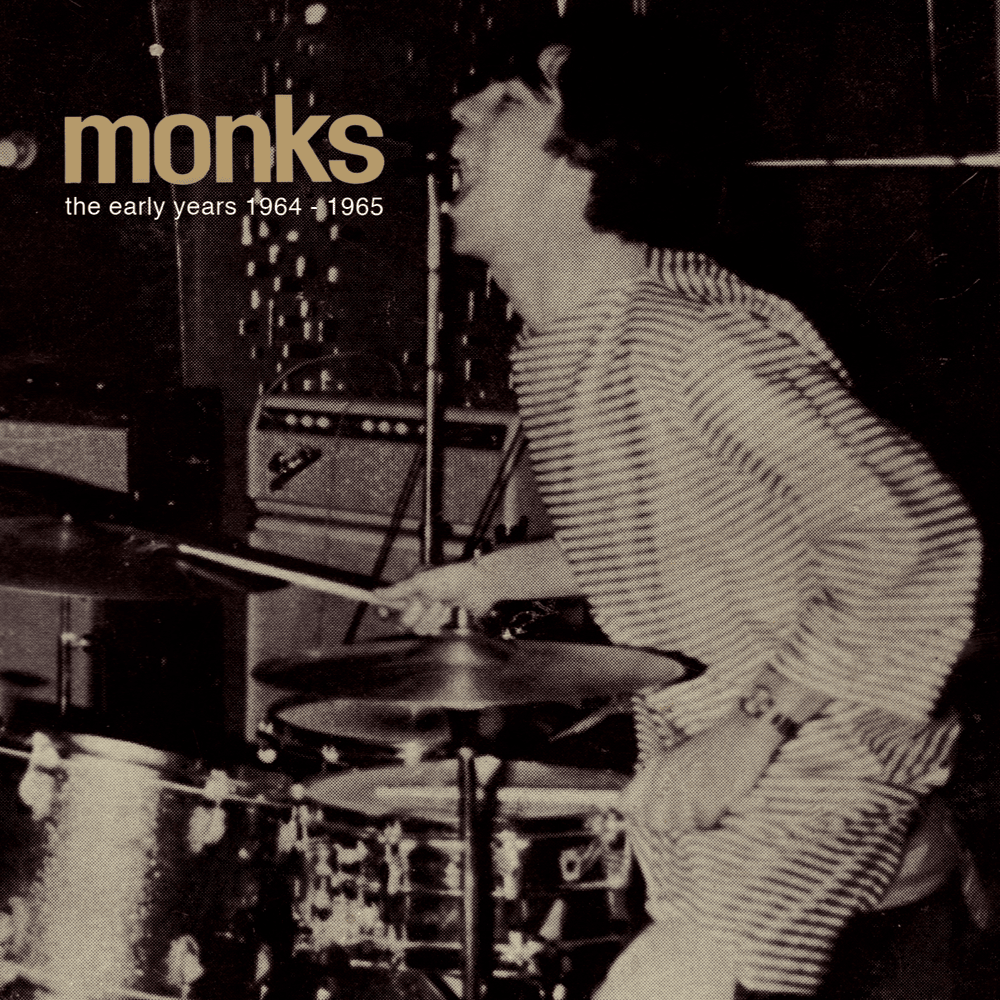
The Monks' story begins in post-war Germany, where five American soldiers found themselves stationed. Gary Burger (guitar and vocals), Larry Clark (organ), Eddie Shaw (bass guitar), Dave Day (banjo), and Roger Johnston (drums) initially formed a conventional rock and roll band called The 5 Torquays. However, they soon grew restless with the limitations of the genre.
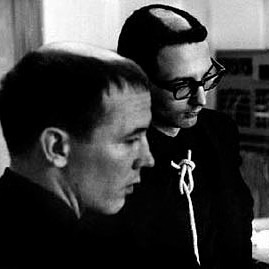
Their environment – a Germany still recovering from war, a society grappling with new freedoms – played a crucial role in shaping their artistic vision. They absorbed the cultural anxieties and channeled them into a raw, visceral sound that was unlike anything else at the time. Rejecting the clean-cut image of many American bands, they shaved their heads into tonsures, resembling monks – a deliberate act of provocation.
Career Beginnings
Frustrated with the predictable path of covers and conventional rock songs, The 5 Torquays sought something more radical. They shed their old skin, embracing a new identity as The Monks. This transformation included not just a name change and haircuts, but a fundamental shift in their musical approach. They began experimenting with dissonance, repetitive rhythms, and unconventional song structures.
Their manager, Walther Niemann, played a key role in shaping their image and sound. He encouraged their rebellious spirit and helped them refine their minimalist, almost militaristic aesthetic. They landed a residency at the Top Ten Club in Hamburg, a legendary venue that had previously hosted The Beatles. This exposure brought them to the attention of Polydor Records, who signed them in 1966.
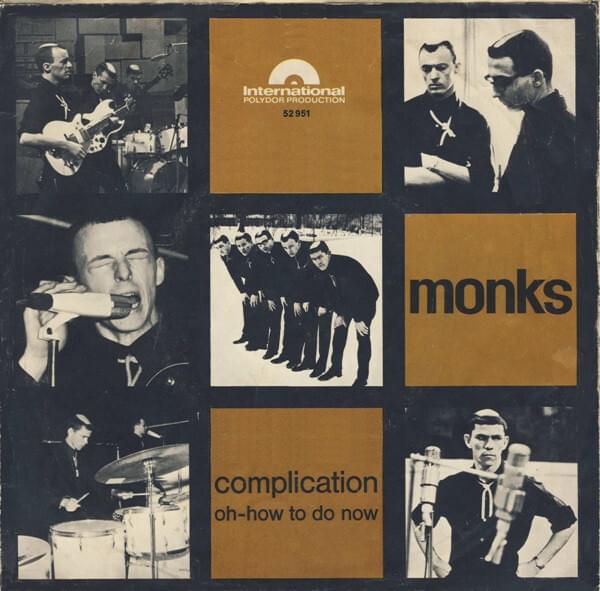
Their debut single, "Complication," released in 1966, was a jarring blast of distorted guitars, pounding drums, and shouted vocals. It was unlike anything else on the radio, and it immediately established The Monks as a force to be reckoned with. The track served as a sonic manifesto for their anti-establishment stance, a musical equivalent of Dadaism.
Major Albums & Discography
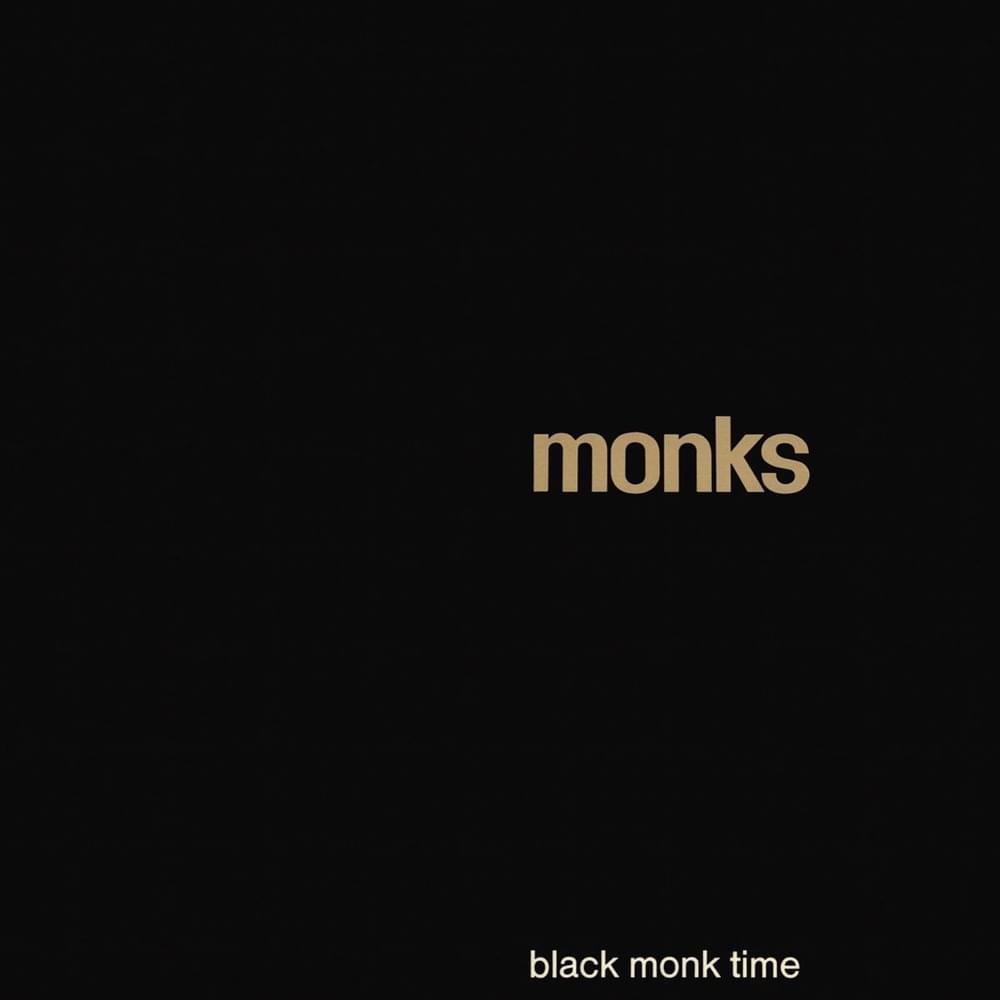
The Monks' discography is concise, defined primarily by their sole studio album, *Black Monk Time*, released in 1966. This record is a landmark of garage rock and proto-punk, a sonic assault that remains as challenging and exhilarating today as it was upon its release. The album's relentless energy, dissonant harmonies, and provocative lyrics set it apart from the mainstream, cementing its status as a cult classic. The album is a relentless barrage of sound, a challenge to the listener's expectations of what rock music could be.
*Black Monk Time* is not an easy listen; it demands attention. The repetitive rhythms, jarring chords, and shouted vocals create a sense of unease and tension. However, it is precisely this discomfort that makes the album so compelling. It's a sonic exploration of frustration, alienation, and rebellion.
The album's influence can be heard in countless bands that followed, from punk pioneers like The Ramones and The Sex Pistols to experimental artists like Sonic Youth and The Fall. *Black Monk Time* is a testament to the power of artistic vision and the importance of challenging convention.
Hit Songs & Signature Tracks
While The Monks didn't achieve mainstream chart success, their songs have become cult anthems, celebrated for their raw energy and unconventional approach. "Complication," their debut single, is a prime example of their unique sound – a chaotic blend of distorted guitars, pounding drums, and shouted vocals. It's a song that captures the band's anti-establishment spirit and their willingness to push the boundaries of rock music. The single remains a touchstone for bands seeking to emulate their confrontational sound.
Other notable tracks include "I Hate You," a deliberately confrontational song that perfectly embodies the band's rebellious attitude. Its repetitive lyrics and aggressive delivery make it a powerful statement of defiance. "Shut Up" delivers a similar visceral punch. These tracks capture the band's confrontational energy. The band's discography may be small but is incredibly dense in terms of cultural impact.
"Boys Are Boys" tackles gender roles with a sneering irony. The song's repetitive structure and sarcastic lyrics make it a powerful critique of societal expectations. It's a prime example of The Monks' ability to blend social commentary with sonic experimentation.
Collaborations & Features
Due to their relatively short lifespan and cult status, The Monks didn't engage in many high-profile collaborations. Their impact lies more in their influence on other artists than in direct partnerships. However, their music has been covered and sampled by numerous bands over the years, a testament to their enduring legacy. The band's unconventional approach to music making has inspired many to challenge the status quo.
Their influence can be seen in the work of bands like The Dead Kennedys, whose politically charged lyrics and aggressive sound owe a debt to The Monks' pioneering spirit. Similarly, bands like The Jesus and Mary Chain, with their use of feedback and distortion, draw inspiration from The Monks' sonic experimentation.
Awards & Achievements
While The Monks didn't win any major awards during their initial run, their legacy has been recognized in recent years through various accolades and tributes. Their album, *Black Monk Time*, has been reissued multiple times and has been included in numerous "best of" lists. The album's enduring appeal is a testament to its artistic merit and its influence on subsequent generations of musicians.
The Monks have been cited as an influence by countless bands and artists, solidifying their place in rock history. They are considered pioneers of punk and experimental rock, their music serving as a blueprint for those who dare to challenge convention. Their impact on music continues to grow, not diminish, with the passage of time.
Personal Life
After The Monks disbanded in 1967, the members largely returned to civilian life. Gary Burger, the band's frontman, went on to pursue a career in politics, serving as a city councilman in his hometown. The other members also pursued various careers outside of music. Their time as The Monks was a unique chapter in their lives, a brief but intense burst of creativity and rebellion.
Musical Style & Influence
The Monks' musical style is difficult to categorize. They are often described as garage rock, but their sound is far more experimental and dissonant than most bands in that genre. They incorporated elements of noise rock, proto-punk, and even minimalist composition into their music. The result is a unique and challenging sound that defies easy classification.
Their influence can be heard in the work of countless bands that followed, from punk pioneers like The Ramones and The Sex Pistols to experimental artists like Sonic Youth and The Fall. The Monks are considered pioneers of punk rock, their confrontational sound and anti-establishment lyrics paving the way for the genre's emergence in the late 1970s.
Their legacy extends beyond punk rock. Their experimentation with dissonance and unconventional song structures has influenced countless artists in various genres. The Monks' impact on music is undeniable, and their music continues to inspire those who seek to push the boundaries of artistic expression.
Recent Work & What's Next
While The Monks disbanded in 1967, their music continues to be discovered and celebrated by new generations of fans. Documentaries and reissues have helped to raise awareness of their unique sound and their impact on rock history. The band's legacy is secure, and their music will continue to inspire and challenge listeners for years to come. Their confrontational approach is just as relevant today as it was in the 1960s.
 Boys Are Boys and Girls Are Choice
 Oh, How To Do Now
 Blast Off!