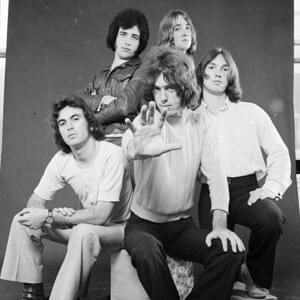
Photo of The Fourmyula

The Fourmyula

5 Listeners

Artist Bio

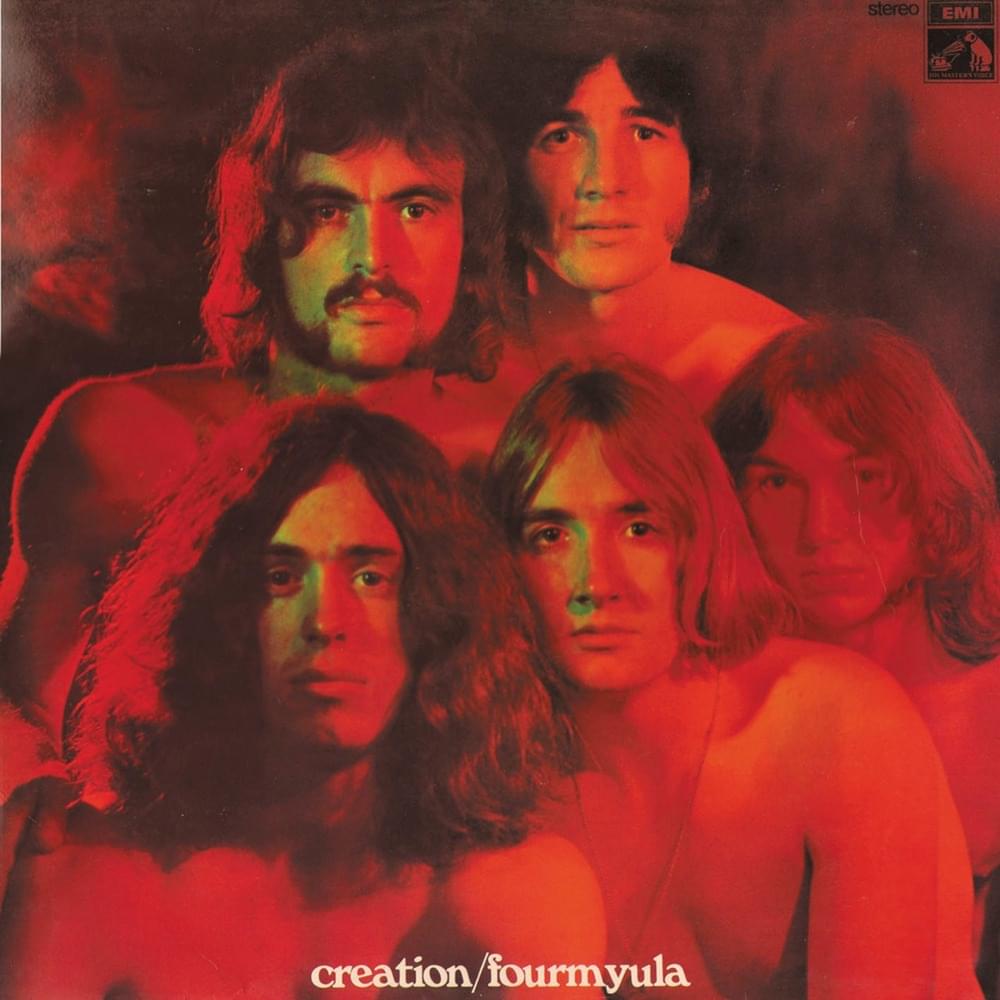
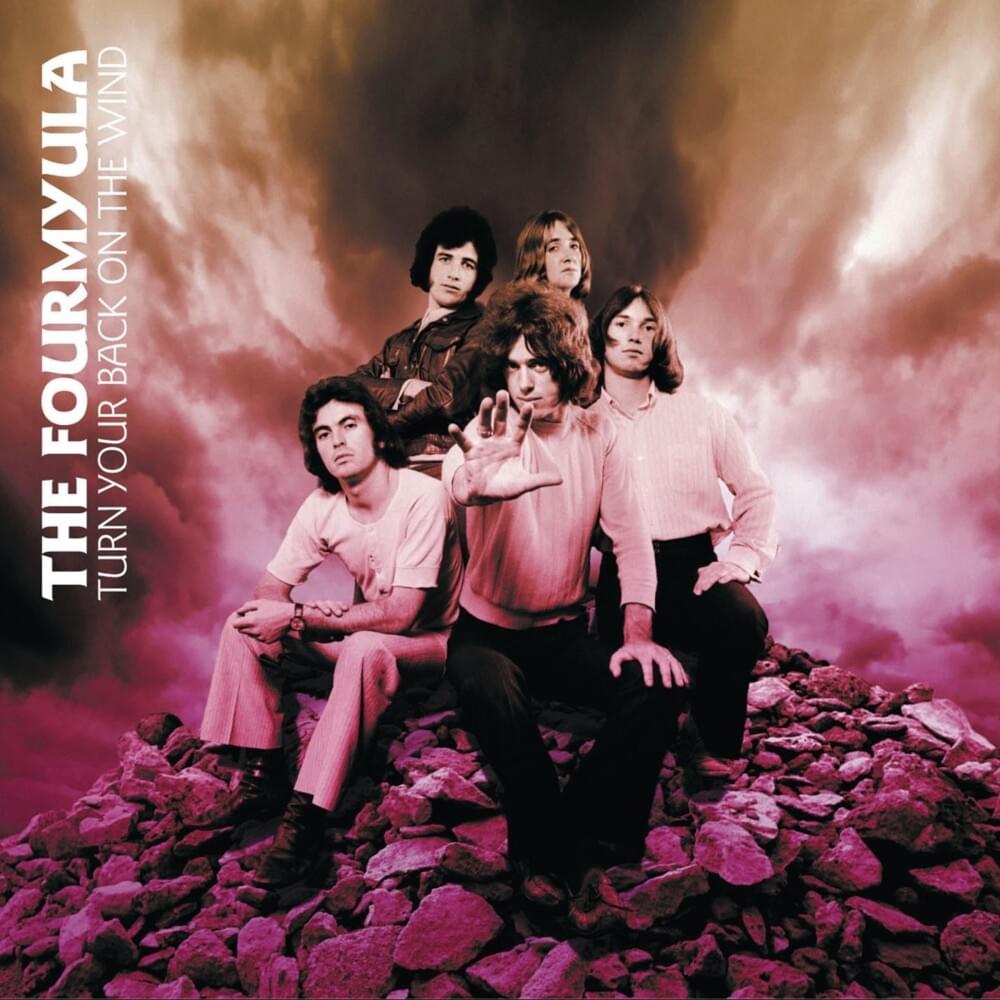
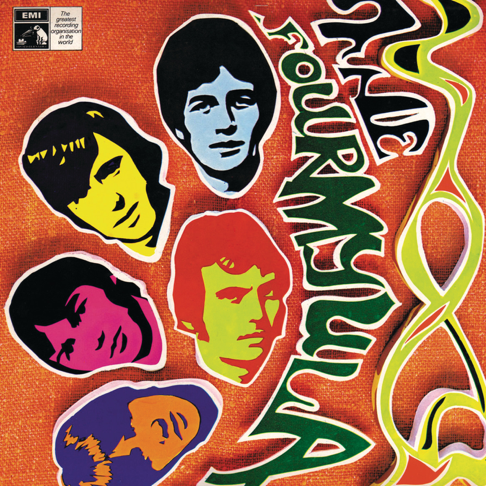
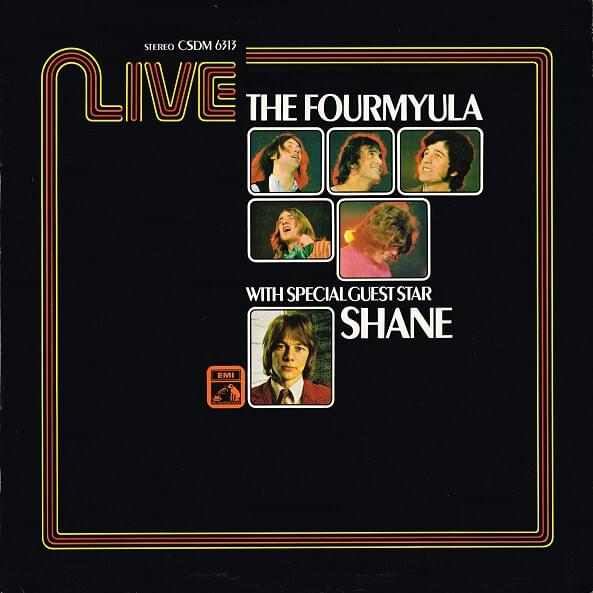
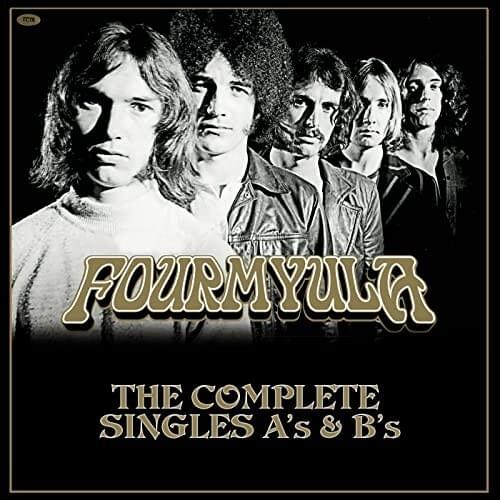
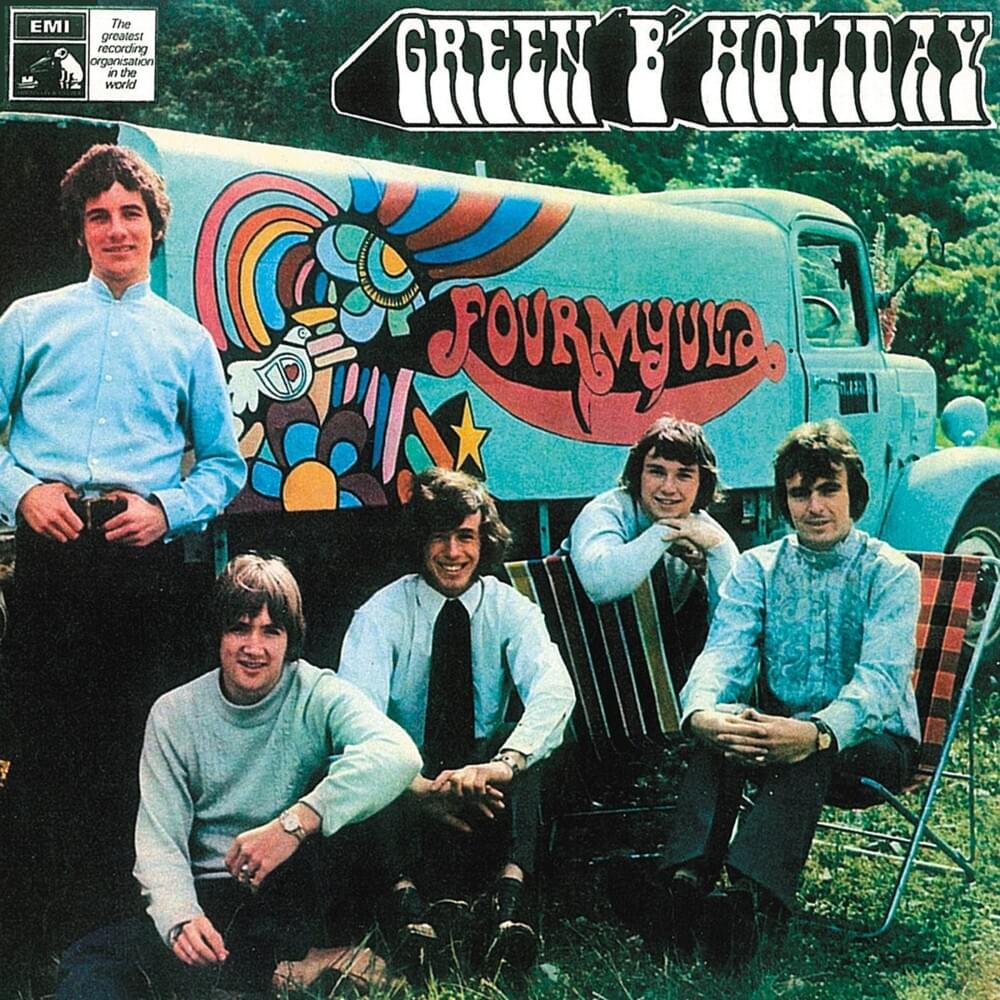
The Fourmyula: Kiwi Pop Pioneers Who Still Deliver Main Character Energy Introduction & Current Status In the vast, often-recycled archives of global pop, some bands just hit different. New Zealand’s own The Fourmyula might not dominate your TikTok feed with viral sounds, but their late-’60s output carries a timeless, sun-drenched charm that still slaps harder than most modern indie-pop. For those in the know, they’re not just a retro curiosity; they’re a blueprint for sophisticated, melodic pop that managed to capture the freewheeling spirit of an era from halfway across the world. Their tracks, bubbling with a unique blend of psych-pop jangle and thoughtful lyrics, continue to be rediscovered by crate-diggers and music aficionados. While they might not be headlining festivals today, their influence quietly echoes, cementing their status as a low-key iconic band whose sound transcends geographical and generational divides. They’re the cool older sibling in the global music family, always ready with a bop you didn’t know you needed. Today, their records, especially original pressings, are coveted items, a testament to their enduring appeal. Streaming platforms have offered a new lease on life for tracks that once only spun on Kiwi turntables, ensuring The Fourmyula’s particular brand of groovy pop finds new ears, proving that truly good music never really goes out of style. Early Life & Background Before they became the sonic architects of Kiwi cool, the members of The Fourmyula were just teenagers soaking up the sounds of a rapidly changing world. Hailing from Upper Hutt, a town nestled in the picturesque Wellington region of New Zealand, these lads – Carl Evensen, Wayne Mason, Chris Emmett, and Alison Park – were right in the thick of the 1960s cultural explosion. The air was thick with the sounds of The Beatles, The Kinks, and American garage rock, all filtering down to the antipodes. This wasn’t just passive listening; it was an education. Mason, the principal songwriter, often reflects on how the British Invasion’s melodic prowess and lyrical wit shaped his nascent musical sensibilities, inspiring him to craft tunes that were both catchy and deceptively intelligent. Their upbringing in a tight-knit community, far from the bustling music scenes of London or L.A., lent their sound a certain authenticity and earnestness. It fostered a DIY spirit, pushing them to create their own vibrant scene. This blend of global influence and local flavor would become a hallmark of their distinct sound, a true reflection of their roots. Career Beginnings The Fourmyula officially took shape in 1967, emerging from the vibrant local band circuit. They quickly honed their craft in pubs and dance halls, building a loyal following with their tight harmonies and energetic live performances. Their raw talent and knack for crafting instantly memorable tunes didn’t go unnoticed for long. Their big break arrived when they signed with HMV, a pivotal moment that catapulted them from local heroes to national contenders. Their debut single, “Come Home Girl,” quickly caught fire, laying the groundwork for what would become a string of chart successes. They weren’t just playing covers; they were writing their own narratives, and New Zealand was ready to listen. Key figures like producer Peter Dawkins played an instrumental role in shaping their early studio sound, helping to translate their live energy into polished recordings. This collaborative spirit, coupled with their relentless work ethic, ensured The Fourmyula was more than just a flash in the pan; they were building a foundation for a legacy that would echo through New Zealand music history. Major Albums & Discography The Fourmyula’s discography, though compact, packs a serious punch, showcasing a remarkable evolution from their initial pop-rock leanings to more experimental, psychedelic terrains. Their self-titled debut, The Fourmyula, dropped in 1968, a bold statement filled with youthful exuberance and undeniable hooks. It introduced their signature sound, a blend of catchy melodies and crisp instrumentation, hinting at the depth to come. Following swiftly was Green ‘B’ Holiday in 1969, an album that truly solidified their reputation. This record wasn't just a collection of songs; it was a cohesive artistic statement, delving deeper into psychedelic textures and more intricate arrangements while retaining their pop sensibility. Critics and fans alike praised its adventurous spirit, proving The Fourmyula was more than just a singles band. Their third studio album, Creation, also released in 1969, pushed the boundaries even further. It explored more ambitious lyrical themes and complex musical structures, cementing their status as innovators within the burgeoning New Zealand rock scene. The band's willingness to experiment, even within the confines of pop, gave this album a lasting edge and a certain cult allure. While their studio albums captured their creative evolution, compilations like The Complete Singles A’s & B’s offer a comprehensive look at their chart-topping prowess and the sheer volume of quality material they produced. Later live recordings, such as A’Live, provide a rare glimpse into their dynamic stage presence, reminding fans of the raw energy that fueled their early performances. And then there's Turn Your Back On The Wind, which often gets retrospective nods for its mature sound and reflective songwriting, showcasing a band unafraid to evolve even as their journey neared its end. Hit Songs & Signature Tracks The Fourmyula wasn't just an album band; they were hitmakers, crafting a string of singles that became the soundtrack to a generation. One of their most enduring and beloved tracks is "Green ‘B’ Holiday," a psychedelic-tinged pop anthem that perfectly encapsulates the late '60s vibe. Its catchy chorus and evocative lyrics made it an instant classic, cementing its place in Kiwi music lore. Then there’s the delightfully quirky "Mr. Harris’ Garage," a track that showcases their playful side and knack for storytelling. It's the kind of song that lodges itself in your brain, refusing to leave, a testament to their songwriting smarts. Similarly, "Dedicated To Mr. Cook" offers another glimpse into their unique narrative style, weaving quirky observations into a melodic tapestry that feels both familiar and fresh. The raw energy of "Bang On Harry" proves they could dial up the rock when needed, while "Hampden Tennis Club" captures a slice of everyday life with infectious charm. These songs weren’t just hits; they were cultural touchstones, reflecting the quirky spirit of New Zealand at the time. Diving deeper into their singles catalog, tracks like "My Mama George" and "Mummy Told Me" reveal a band unafraid to explore the lighter, more whimsical side of pop, often with a subtle irony that Gen Z audiences would definitely appreciate. And who could forget the reflective vibes of "Fortune," a track that balances introspection with their signature melodic prowess? Rounding out their essential hits are the evocative "Cosy Picture Theatre" and the memorable "Sally’s Line," each contributing to a legacy of top-tier pop songwriting that still resonates. Collaborations & Features In an era less saturated with cross-genre features and celebrity guest spots, The Fourmyula largely operated as a self-contained unit, meticulously crafting their sound from within. Their collaborations were less about high-profile guest verses and more about the synergy within the band itself, alongside the crucial input of their producers and engineers. This focused approach allowed them to forge a distinctive sonic identity, rather than blending into the prevailing trends. While they might not have a laundry list of co-writes with today's chart-toppers, their influence can be heard in the work of subsequent New Zealand artists who drew inspiration from their innovative songwriting and willingness to push pop boundaries. Their legacy of influence often functions as a quiet collaboration, shaping the landscape for future generations of Kiwi musicians. They proved that a band from a relatively small nation could produce world-class pop, setting a precedent that many have since followed, even if not through direct features. Awards & Achievements While the global awards circuit of the late '60s might not have been paying close attention to bands from New Zealand, The Fourmyula racked up significant achievements on their home turf. They were consistent chart-toppers, with multiple singles reaching the top ten, a clear indicator of their immense popularity and cultural footprint within New Zealand. Their commercial success translated into critical acclaim, earning them a revered spot in the annals of New Zealand music history. Tracks like "Green ‘B’ Holiday" became iconic, enjoying substantial airplay and solidifying their status as one of the country's premier bands. Beyond the immediate accolades, their true achievement lies in their enduring legacy. They paved the way for future Kiwi artists, demonstrating that homegrown talent could compete with international acts. Their music continues to be celebrated in retrospective compilations and documentaries, securing their place as trailblazers whose impact far outlived their active years. Personal Life During their active years, the members of The Fourmyula largely kept their personal lives out of the tabloid spotlight, focusing instead on their craft and the music. They were a band driven by a collective passion for songwriting and performance, a shared journey through the whirlwind of late-60s pop stardom in New Zealand. Like many bands of their era, they navigated the challenges of relentless touring and the pressures of public life, all while maintaining a relatively low profile compared to their international counterparts. This grounded approach allowed them to maintain a sense of normalcy, despite their considerable fame. While details of their individual philanthropic efforts or specific business ventures aren't widely publicized from their active period, their contribution to New Zealand's cultural tapestry remains an invaluable legacy, a testament to their dedication to music and their community. Musical Style & Influence The Fourmyula’s musical style is like a perfectly curated vintage playlist: a delightful fusion of melodic pop, British Invasion-inspired rock, and nascent psychedelic textures. They weren't afraid to experiment with instrumentation, often weaving in unexpected harmonies and intricate arrangements that gave their songs a rich, layered quality. Think Kinks-esque storytelling blended with the sunny optimism of early Beatles, all filtered through a distinctly Kiwi lens. Wayne Mason's songwriting often provided the backbone, his compositions brimming with catchy hooks and a lyrical wit that could be both whimsical and poignant.

Popular Albums

Popular Songs

Reviews

Comments

Questions & Answers

Music Awards

0 Total

No Music Awards Found