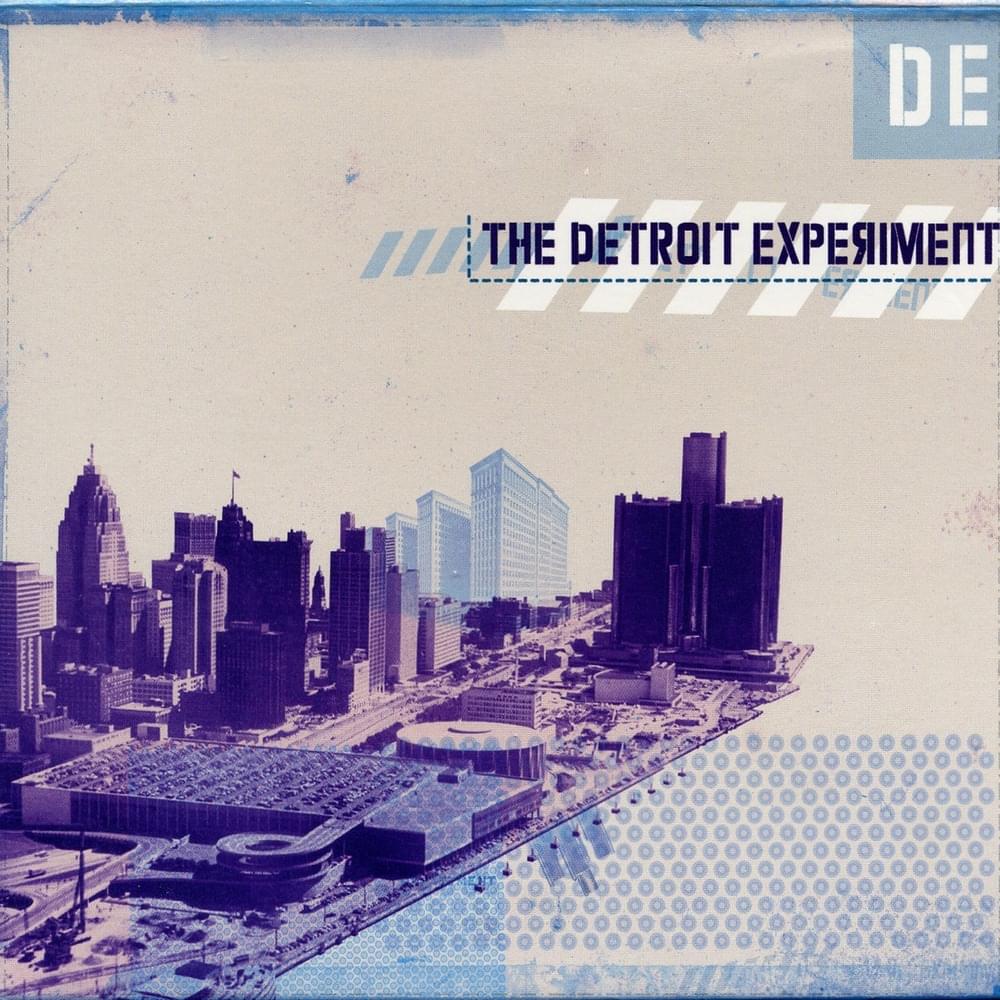
The Detroit Experiment
572 Listeners
Artist Bio
Introduction & Current Status
The Detroit Experiment isn't just an album; it's a masterclass in musical alchemy, a project that dropped in 2003 and has been setting the bar for genre-bending ever since. Spearheaded by techno visionary Carl Craig, this collective brought together a dream team of Detroit's finest jazz and electronic artists, creating a sonic tapestry that still feels fresh and fiercely relevant today. It's the kind of record that makes you realize the city's musical DNA is truly in a league of its own.
While not a touring band in the traditional sense, the influence of The Detroit Experiment continues to reverberate across global music scenes. Its unique blend of improvisational jazz, soulful grooves, and futuristic electronic textures has cemented its status as a foundational text for anyone exploring the intersections of Black American music.
For a new generation of listeners, discovering this project is like unearthing a hidden gem that explains why so much contemporary music sounds the way it does. It's a testament to the fact that true innovation never really ages, earning it a permanent spot in the 'must-listen' canon for anyone serious about music discovery.
Early Life & Background
To understand The Detroit Experiment, you first have to understand Detroit itself. This isn't just a city; it's a crucible of sound, a place where Motown's soul, techno's futuristic pulse, and jazz's improvisational spirit all coexist and thrive. The project wasn't born from a single artist's childhood, but from the collective musical upbringing of its diverse contributors.
Carl Craig, the mastermind, grew up immersed in the city's rich sonic landscape, witnessing firsthand the evolution of electronic music from its rawest forms. Alongside him, legends like jazz trumpeter Marcus Belgrave and violinist Regina Carter honed their craft in Detroit's vibrant jazz clubs, while keyboardist Amp Fiddler brought his deep funk and R&B sensibilities to the mix.
Each artist brought their own history, their own stories, and their own deep connection to Detroit's distinct musical heritage. This shared background, a blend of formal training and street-level innovation, laid the groundwork for an experiment that would redefine what was possible when these worlds collided.
Career Beginnings
The genesis of The Detroit Experiment was less about a band forming and more about a vision taking shape. Carl Craig, already a titan in the techno world, had a profound idea: to bridge the perceived divide between Detroit's electronic music innovators and its legendary jazz and soul musicians. He wanted to show the world that these genres weren't just neighbors, but family.
This wasn't an easy feat; it required coaxing esteemed jazz veterans into an electronic studio environment and challenging electronic producers to embrace live instrumentation. The project began to take shape through a series of conversations, shared ideas, and an overarching desire to pay homage to Detroit's unparalleled musical ecosystem.
The breakthrough moment wasn't a chart hit, but the realization that these disparate forces could not only coexist but create something entirely new and breathtaking. The studio sessions were a vibrant exchange of ideas, where improvisation met programming, and tradition intertwined with innovation, all under Craig's guiding hand, leading to the collective's singular, celebrated album.
Major Albums & Discography
While many artists boast sprawling discographies, The Detroit Experiment stands as a powerful testament to quality over quantity. Their self-titled, sole full-length album, The Detroit Experiment, released in 2003, is the undisputed centerpiece of their catalog and a certified classic in its own right. It's not just an album; it’s a statement, a sonic manifesto for the city it represents.
The record was a critical darling from the jump, lauded for its seamless fusion of jazz improvisation, deep funk grooves, and the kind of meticulous electronic production only Carl Craig could deliver. Critics praised its daring ambition and its flawless execution, noting how it managed to sound both timeless and utterly futuristic all at once.
Commercially, it wasn't a pop chart-topper, but it achieved something far more enduring: cult status and immense respect within discerning music circles. It became a benchmark for what "nu-jazz" and electronic-meets-organic music could truly be, showcasing an evolution of sound that didn't just blend genres but reimagined their very essence.
Every track on The Detroit Experiment is a masterclass, proving that a singular, focused project can leave a far greater impact than a dozen less inspired efforts. It's the kind of album that you can listen to front-to-back, discovering new layers and nuances with each spin, forever solidifying its place as a low-key iconic release.
Hit Songs & Signature Tracks
While The Detroit Experiment wasn't chasing radio hits, the album is stacked with tracks that have become signature pieces, deeply influential and beloved by those in the know. Each song is a journey, showcasing the collective's incredible musicianship and vision.
Take Think Twice, for instance. This track is a soulful groove anthem, featuring the unmistakable vocals of Amp Fiddler, and it absolutely slaps. It’s arguably the project’s most recognizable tune, a smooth, jazzy bop that feels equally at home in a smoky club or a chill playlist. Its undeniable rhythm and thoughtful lyrics give it serious main character energy.
Then there's the cosmic opener, Space Odyssey, which sets the tone for the entire album with its expansive soundscapes and intricate instrumentation. It's an immediate immersion into the collective's world. And who could forget Church? This track brings a gospel-infused warmth and spiritual depth, a true testament to Detroit's deep well of soul music.
Vernors, a nod to Detroit's iconic ginger ale, is an instrumental gem that bubbles with vibrant energy and tight musicianship. Tracks like Too High and Highest continue the album's exploration of deep, soulful electronic jazz, demonstrating the collective's ability to craft intricate, evolving soundscapes. And for a dose of pure Detroit nostalgia, Midnight At The Twenty Grand paints a vivid picture of the city's legendary venue. Finally, The Way We Make Music, feels like the collective's mission statement, an anthem for their unique collaborative process, making it an essential listen for understanding their ethos.
Collaborations & Features
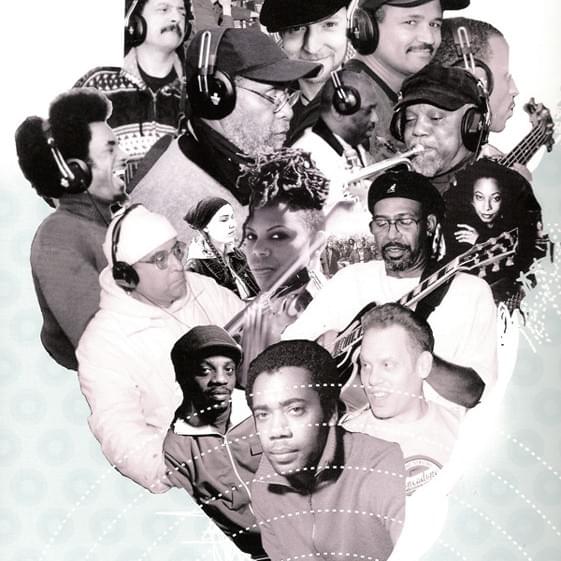
The very essence of The Detroit Experiment is collaboration, a melting pot of talent that reads like a who's who of Detroit's musical elite. This wasn't just a few guest spots; it was a genuine collective effort, where the 'features' were truly integral to the project's identity.
Carl Craig, as the visionary, brought together luminaries from diverse musical backgrounds. We're talking jazz royalty like trumpeter Marcus Belgrave, a mentor to many, and the incredible violinist Regina Carter, whose lyrical playing added layers of sophistication. Their contributions weren't just ornamental; they were woven into the very fabric of the electronic soundscapes, creating a dynamic dialogue between tradition and innovation.
Keyboardist Amp Fiddler, known for his work with Parliament-Funkadelic and his solo career, brought his undeniable funk and soul bona fides, especially shining on tracks like Think Twice. Percussionist Francisco Mora Catlett and drummer Karriem Riggins grounded the electronic beats with live, fluid rhythms, while woodwind master Bennie Maupin and saxophonist Kenny Garrett added improvisational brilliance. It was a cross-genre summit, proving that when diverse talents respect each other's craft, truly magical things can happen.
Awards & Achievements
While The Detroit Experiment might not have stacked up a shelf full of Grammys, its achievements are far more significant in the grand scheme of music history. This project earned something more valuable than mainstream accolades: a permanent place in the canon of influential, critically acclaimed works that genuinely pushed boundaries.
Upon its release, The Detroit Experiment garnered widespread critical acclaim from music journalists and discerning critics globally. It was frequently cited in "best of" lists for the year and decade, praised for its innovation, musicianship, and its profound cultural statement about Detroit's enduring musical legacy. It consistently appears on lists celebrating pioneering electronic and jazz fusion albums.
Its true achievement lies in its lasting impact on subsequent artists and genres. It served as a blueprint for how electronic and acoustic music could authentically intertwine, inspiring a generation of producers and musicians to explore similar sonic territories. This project didn't just break records; it broke down genre barriers, solidifying its status as an undisputed classic and a cultural touchstone for understanding the rich tapestry of Detroit music.
Personal Life
Given that The Detroit Experiment is a collective rather than a singular artist, insights into a unified "personal life" aren't applicable in the traditional sense. However, the project itself embodies a profound shared philosophy: a deep reverence for Detroit's musical heritage and an unwavering commitment to artistic collaboration.
The public face of The Detroit Experiment is one of unity and mutual respect among its diverse contributors. It speaks to a communal spirit, a belief that true innovation often springs from bringing different voices and perspectives together. This ethos reflects the vibrant, interconnected nature of Detroit's music scene, where artists often cross paths and collaborate across genres and generations.
While the individual members like Carl Craig, Amp Fiddler, and Regina Carter maintain their own active careers, their collective venture into The Detroit Experiment highlights a shared dedication to artistry, community, and pushing the boundaries of sound. Their philanthropic efforts and activism often tie back to supporting arts and education in Detroit, reinforcing the project's roots.
Musical Style & Influence
The Detroit Experiment didn't just dabble in genre fusion; it practically wrote the textbook for it. Their musical style is a masterclass in blending the improvisational freedom of jazz, the deep pocket of funk and soul, and the futuristic textures and rhythmic precision of Detroit techno and house. It’s a sound that feels both organic and meticulously crafted, a true sonic paradox.
The project's influence is immense, especially within the nu-jazz, broken beat, and experimental electronic scenes. It showed artists that the divide between electronic production and live instrumentation wasn't a wall, but a permeable membrane. You can hear echoes of The Detroit Experiment in countless projects that seek to marry the cerebral with the soulful, the programmed with the improvised.
Their legacy is one of daring exploration and a powerful affirmation of Detroit's unique position as a global music capital. By bringing together legends like Marcus Belgrave with electronic pioneers, they didn't just make an album; they forged a new path, proving that the future of music often lies in respecting and reimagining its past. It’s truly a blueprint for how to make music that’s both intellectually stimulating and deeply grooving.
Recent Work & What's Next
As a singular, groundbreaking project, The Detroit Experiment didn't embark on extensive tours or release follow-up albums in the traditional sense. It was, as its name suggests, an experiment – a powerful, one-off statement that left an indelible mark. However, the spirit and influence of the project continue to thrive through the ongoing work of its individual members.
Carl Craig remains a pivotal figure in electronic music, constantly innovating with new releases, remixes, and his own festivals, continuing to push the boundaries of sound. Amp Fiddler's solo career continues to flourish, delivering soulful, funk-laden tracks that still carry the collaborative essence of his work with the collective. Other contributors, like Regina Carter and Karriem Riggins, are still celebrated artists in their respective jazz and R&B scenes.
While there might not be a 'next album' on the horizon for The Detroit Experiment as a unit, its legacy ensures that the conversation around genre-blending, musical community, and the enduring power of Detroit's sound will continue for generations to come.
Popular Albums
Popular Songs
| Track Number | Song | Release Date | Album |
|---|---|---|---|
| 01 | Midnight At The Twenty Grand | Jan 1, 2003 | The Detroit Experiment |
| 02 | Vernors | Jan 1, 2003 | The Detroit Experiment |
| 03 | Space Odyssey | Jan 1, 2003 | The Detroit Experiment |
| 04 | Think Twice | Jan 1, 2003 | The Detroit Experiment |
| 05 | Church | Jan 1, 2003 | The Detroit Experiment |
| 06 | Highest | Jan 1, 2003 | The Detroit Experiment |
| 07 | Too High | Jan 1, 2003 | The Detroit Experiment |
Reviews
Comments
Questions & Answers
Music Awards
0 Total
No Music Awards Found