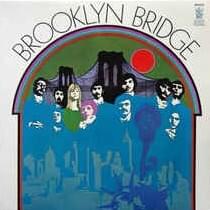
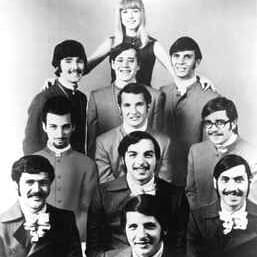
The Brooklyn Bridge
46 Listeners
Artist Bio
The Brooklyn Bridge: Still Crossing Over with 'Worst That Could Happen'
Introduction & Current Status
Some bands just hit different, and The Brooklyn Bridge is definitely one of them. For anyone who thinks the '60s were all peace signs and psychedelia, this iconic vocal group served up a potent blend of blue-eyed soul and orchestral pop that still slaps. While they might not be dropping TikTok challenges today, their legacy is a masterclass in vocal harmony and emotional delivery, proving that some tracks are just timeless.
Their undeniable classic, Worst That Could Happen, remains a staple on oldies radio and in the hearts of anyone who appreciates a good, dramatic power ballad. It's the kind of track that makes you feel like the main character in a vintage romance movie, even decades after its chart-topping run. Talk about enduring appeal.
The Brooklyn Bridge's sound captured a unique moment in music history, bridging the gap between doo-wop's golden era and the more sophisticated pop arrangements of the late '60s and early '70s. Their influence reverberates, reminding us that true vocal artistry never goes out of style, keeping them low-key iconic for generations of music lovers.
Early Life & Background
The story of The Brooklyn Bridge is, fittingly, rooted deep in the vibrant, diverse musical melting pot of New York City, specifically Brooklyn itself. This borough was a hotbed for vocal groups, where street corner harmonies could evolve into chart-topping sensations. It was a place where musical ambition met raw talent, often nurtured in tight-knit communities.
The group's foundation largely came from the merger of two established acts: Johnny Maestro & The Crests, and The Rhythm Method. Johnny Maestro, already a seasoned performer with hits like '16 Candles' under his belt, brought a powerful, distinctive lead vocal and undeniable stage presence. He was essentially the lead singer blueprint for a generation.
This fusion of talent wasn't just about combining names; it was about blending diverse musical experiences. The Rhythm Method, with their instrumental prowess and backing vocals, provided the perfect foil for Maestro's soulful delivery. It was a strategic, almost destined, collaboration forged in the very heart of the city's music scene.
Career Beginnings
The genesis of The Brooklyn Bridge wasn't a sudden burst but rather a strategic evolution born from the remnants of other successful acts. Johnny Maestro, having already found fame with The Crests, was looking for a fresh sound and a new direction. Meanwhile, The Rhythm Method, a robust instrumental and vocal ensemble, was making waves on the local circuit.
Their paths converged in 1968, thanks in large part to manager Tony Aless and producer Wes Farrell. Farrell, a savvy industry veteran, saw the potential in pairing Maestro's dynamic lead with The Rhythm Method's tight harmonies and instrumental backing. It was a match made in sonic heaven, creating a supergroup before 'supergroup' was even a trending hashtag.
Their breakthrough moment came swiftly after signing with Buddah Records. The release of Worst That Could Happen wasn't just a hit; it was a phenomenon, soaring up the charts and solidifying their place in music history. This track, with its dramatic flair and Maestro's emotive vocals, proved they weren't just a nostalgia act, but a force to be reckoned with in contemporary pop.
Major Albums & Discography
While The Brooklyn Bridge might be best known for their mega-singles, their self-titled debut album, Brooklyn Bridge, released in 1969, is where their full artistry truly shines. This wasn't just a collection of tracks; it was a cohesive statement, blending orchestral pop with blue-eyed soul and rock influences. Critics at the time praised its sophisticated arrangements and the sheer power of Johnny Maestro's vocals, cementing its place as a cornerstone of their discography.
The album delivered more than just their signature hit. It showcased the group's incredible versatility, moving seamlessly from heartfelt ballads to more upbeat, brass-infused numbers. The commercial performance was strong, riding the wave of their single's success and proving that the band was more than a one-hit wonder, but a formidable album act.
Subsequent albums, like 'The Second Stop' and 'Bridge Over Troubled Water,' saw the group continue to experiment with their sound, albeit with varying commercial results as the music landscape shifted into the 1970s. They continued to refine their blend of pop and soul, always anchored by those distinctive vocal harmonies and Maestro's powerhouse delivery. Each release was a testament to their commitment to evolving while staying true to their core sound, even as musical tastes became more fragmented.
Hit Songs & Signature Tracks
When we talk about The Brooklyn Bridge, it's impossible not to immediately think of Worst That Could Happen. This track isn't just a song; it's an emotional rollercoaster, perfectly blending orchestral grandeur with raw, heartfelt vocals. Released in 1968, it became their biggest hit, peaking at number 3 on the Billboard Hot 100 and earning them a gold record – a truly iconic moment in pop history.
But don't let that overshadow their other gems. Following up on that massive success, Blessed Is the Rain, released in 1969, continued their streak of lush, dramatic ballads, proving their formula was far from a fluke. It showcased a slightly more introspective side, offering another layer to their burgeoning sound and solidifying their place on the charts.
They weren't just about the big, sweeping statements either. Tracks like Welcome Me Love and the poignant Requiem further demonstrated their range, from upbeat, soulful numbers to more somber, reflective pieces. These songs, while perhaps not reaching the same chart heights as their magnum opus, are fan favorites that highlight the depth of their songwriting and vocal arrangements.
And let's not forget the intriguing narrative of Your Husband - My Wife. This track, with its compelling lyrical storyline and signature harmonies, is another prime example of their ability to craft engaging, memorable pop music. Each of these tracks, in its own way, contributed to The Brooklyn Bridge's unique sonic fingerprint and cultural impact.
Collaborations & Features
While The Brooklyn Bridge wasn't known for the kind of star-studded, cross-genre features we see dominating playlists today, their very formation was a powerful collaboration in itself. The seamless blending of Johnny Maestro's established vocal artistry with the instrumental and harmonic prowess of The Rhythm Method created a synergy that defined their unique sound. This internal collaboration was their secret sauce, the foundation upon which their hits were built.
Their work with producer Wes Farrell was also a critical, albeit behind-the-scenes, collaboration. Farrell's vision helped shape their sound, guiding their early recordings and ensuring their tracks had that polished, radio-ready appeal. His influence was instrumental in translating their live energy into studio gold, making him an honorary, yet vital, member of their creative team.
Throughout their extensive touring career, The Brooklyn Bridge shared stages with a plethora of legendary artists from the '60s and '70s. While not formal studio collaborations, these live performances allowed them to connect with diverse audiences and other musical titans of the era, solidifying their place within the broader tapestry of classic pop and rock acts. They were often part of larger revues and oldies tours, showcasing their enduring appeal alongside their peers.
Awards & Achievements
The Brooklyn Bridge, powered by the incredible talent of Johnny Maestro and the tight harmonies of the group, racked up some serious wins back in the day. Their biggest flex was undoubtedly the chart performance of Worst That Could Happen, which soared to number 3 on the Billboard Hot 100. That's not just a hit; that's a cultural moment, earning them a coveted gold record certification for over a million units sold.
Beyond their breakout single, the group consistently landed singles on the Billboard charts throughout the late '60s and early '70s, showcasing their consistent appeal to radio audiences. Tracks like Blessed Is the Rain and Welcome Me Love proved they weren't just a one-hit wonder, but a reliable hit factory for a certain kind of lush, soulful pop.
Their longevity is also an achievement in itself. The band, in various iterations, continued to perform for decades, a testament to their enduring popularity and the timeless quality of their music. Johnny Maestro's powerful vocals and the group's tight harmonies became legendary, leading to their induction into the Vocal Group Hall of Fame in 2005, a well-deserved recognition of their immense contribution to American popular music.
Personal Life
While The Brooklyn Bridge's public persona was always centered on their captivating stage presence and harmonious sound, the personal life of its charismatic frontman, Johnny Maestro, often garnered attention. Maestro was known for his dedication to his craft and his enduring passion for performing, which kept the band on the road for decades. He was, by all accounts, a consummate professional and a beloved figure in the music community.
Like many artists who found fame in the tumultuous '60s, the members of The Brooklyn Bridge navigated the ups and downs of life in the spotlight, maintaining a relatively private personal life while their music resonated globally. They were artists who let their work speak for itself, focusing on delivering high-quality performances rather than chasing celebrity.
Following Johnny Maestro's passing in 2010, the band continued to honor his legacy, often engaging in charity performances and supporting various causes. This commitment reflected a broader sense of community and dedication that extended beyond the stage, showcasing the personal integrity that underpinned their musical journey.
Musical Style & Influence
The Brooklyn Bridge's musical style is a masterclass in blending genres, a sonic tapestry woven from the threads of doo-wop, blue-eyed soul, pop-rock, and even a touch of orchestral pop. Their signature sound was built on two pillars: Johnny Maestro's incredibly powerful, emotive lead vocals and the lush, intricate harmonies of the backing vocalists. It's a sound that feels both classic and surprisingly modern in its emotional depth.
They carved out a niche that was distinct from their contemporaries, moving beyond the simpler arrangements of early '60s pop to embrace more complex orchestrations and a broader sonic palette. This innovation allowed them to create tracks that were simultaneously catchy and incredibly sophisticated, leaving a lasting blueprint for vocal groups aiming for both commercial appeal and artistic credibility.
Their influence can be heard in subsequent generations of vocal groups and artists who appreciate a strong melodic hook paired with impeccable vocal arrangements. The Brooklyn Bridge proved that vocal prowess and emotional authenticity could bridge diverse musical tastes, solidifying their legacy as innovators who brought a new level of sophistication to the pop landscape.
Recent Work & What's Next
Even after the passing of their iconic frontman, Johnny Maestro, in 2010, the legacy of The Brooklyn Bridge has continued to thrive. The band, with new lead vocalists and a renewed energy, has remained a fixture on the oldies circuit, keeping their timeless hits alive for loyal fans and introducing them to new generations who appreciate classic sounds.
They continue to tour extensively, performing their beloved catalog at venues across the country. These live shows aren't just concerts; they're vibrant celebrations of a golden era of music, a chance for audiences to relive the magic of tracks like Worst That Could Happen and Blessed Is the Rain.
While new studio albums might not be on the horizon, the band's commitment to preserving their rich musical heritage ensures that The Brooklyn Bridge's sound will keep crossing over to new ears. Their ongoing presence in the live music scene is a testament to the enduring power of their music, proving that some bridges are built to last forever.
Popular Albums
Popular Songs
| Track Number | Song | Release Date | Album |
|---|---|---|---|
| 01 | 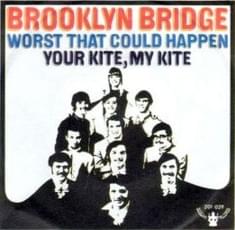 Worst That Could Happen Worst That Could Happen | Dec 1, 1968 | Brooklyn Bridge |
| 02 | Blessed Is the Rain | Feb 1, 1969 | Brooklyn Bridge |
| 03 | Requiem | Jan 1, 1968 | Brooklyn Bridge |
| 04 | Welcome Me Love | N/A | Brooklyn Bridge |
| 05 | Your Husband - My Wife | N/A | Brooklyn Bridge |
Reviews
Comments
Questions & Answers
Music Awards
0 Total
No Music Awards Found