Introduction & Current Status
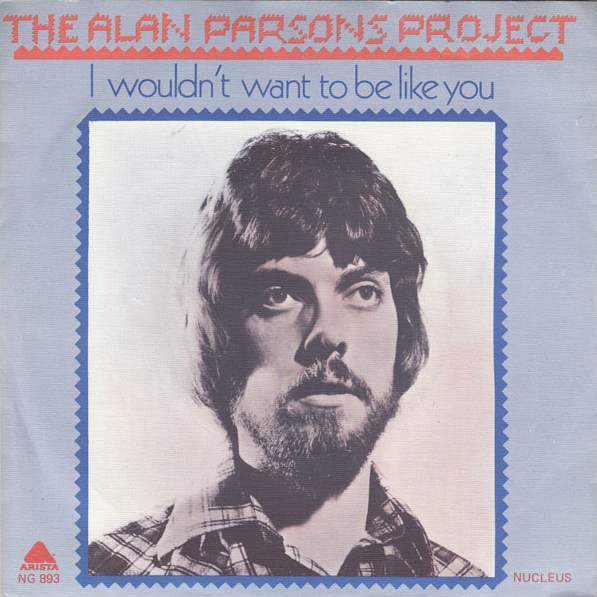
The Alan Parsons Project wasn't a band in the traditional sense but a studio-driven creation spearheaded by Alan Parsons and Eric Woolfson. Parsons, a renowned recording engineer, and Woolfson, a songwriter and businessman, combined their talents to craft concept albums that fused progressive rock, symphonic arrangements, and polished pop sensibilities. While Woolfson sadly passed away in 2009, Parsons continues to perform the Project's music live, keeping their innovative sound alive for generations of fans.
Their influence resonates even today. The Project's meticulous production and thematic depth have become benchmarks for artists aiming for sonic grandeur. Though the band hasn't released new material in decades, their catalog continues to be discovered by new listeners, and their hits still make appearances in film, TV, and other media. They were truly ahead of their time, crafting immersive audio experiences that still sound fresh.
Early Life & Background
Alan Parsons was born in London in 1948. Music was in his blood; his father was a jazz pianist and his mother a singer. This early exposure to music sparked a lifelong passion for sound and recording. Even as a young man, Parsons tinkered with tape recorders and experimented with audio manipulation, foreshadowing his future as a production wizard.
Eric Woolfson, born in Glasgow in 1945, had a more traditional musical background, playing piano and writing songs from a young age. He moved to London and initially worked as a session pianist and songwriter. Woolfson also had a sharp business mind, working as a manager for Carl Douglas, who famously sang "Kung Fu Fighting". This blend of creative and business acumen proved crucial to the Project's success.
Career Beginnings
Alan Parsons started his career as an assistant engineer at Abbey Road Studios, where he quickly became a sought-after talent. He worked on some of the most iconic albums of all time, including The Beatles' *Abbey Road* and Pink Floyd's *Dark Side of the Moon*. Parsons' engineering prowess was critical to the sonic landscape of these albums, shaping the sound of a generation.
Eric Woolfson, meanwhile, was trying to break into the music industry as a songwriter. He met Parsons at Abbey Road, and the two struck up a friendship. Woolfson realized that Parsons' engineering skills could bring his songs to life in a way that hadn't been possible before. They decided to combine their talents and create a series of concept albums based on Woolfson's songs.
The concept was unique: a studio project that didn't rely on traditional band dynamics. Instead, Parsons and Woolfson would hire session musicians and vocalists to bring their vision to life. This approach gave them complete control over the creative process and allowed them to experiment with different sounds and styles.
Major Albums & Discography
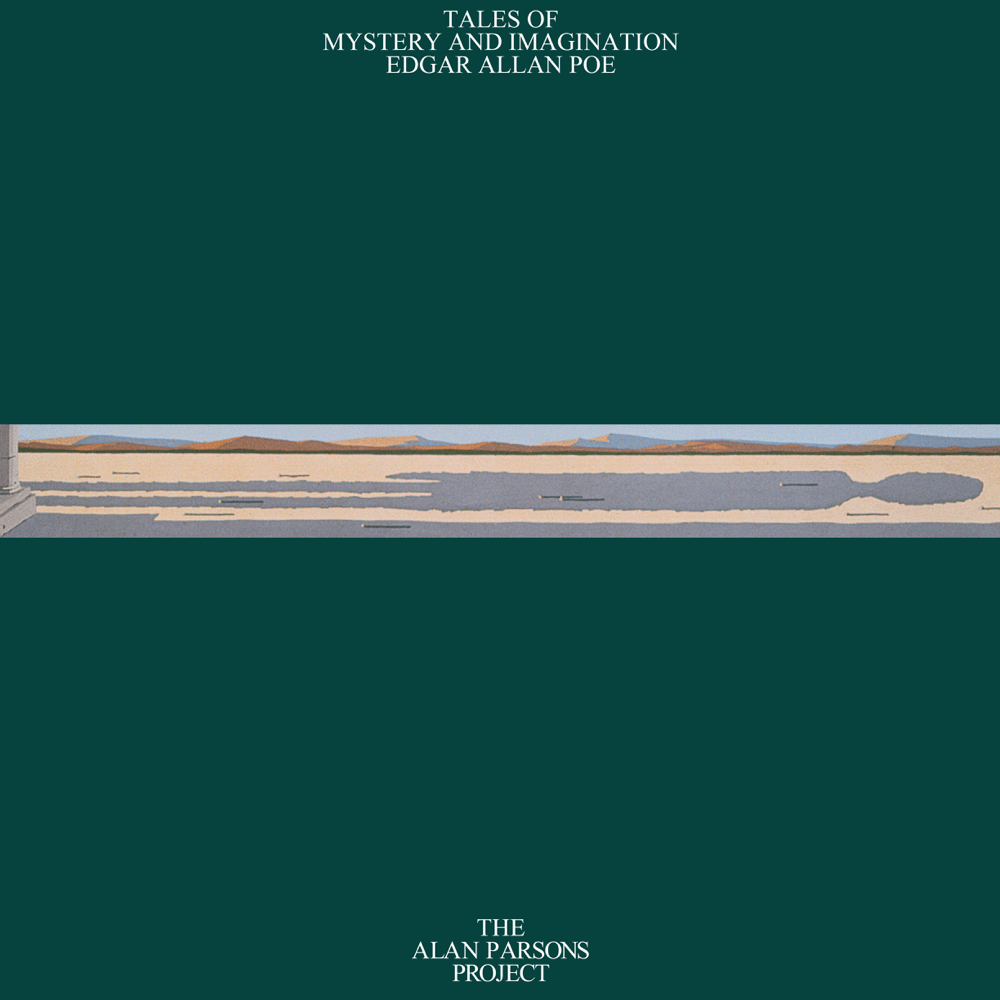
The Alan Parsons Project's discography is a testament to their ambition and attention to detail. Their debut album, *Tales of Mystery and Imagination* (1976), was based on the works of Edgar Allan Poe. It set the stage for their signature sound: a blend of progressive rock, orchestral arrangements, and haunting vocals. Critical reception was positive, and the album established the Project as a force to be reckoned with.
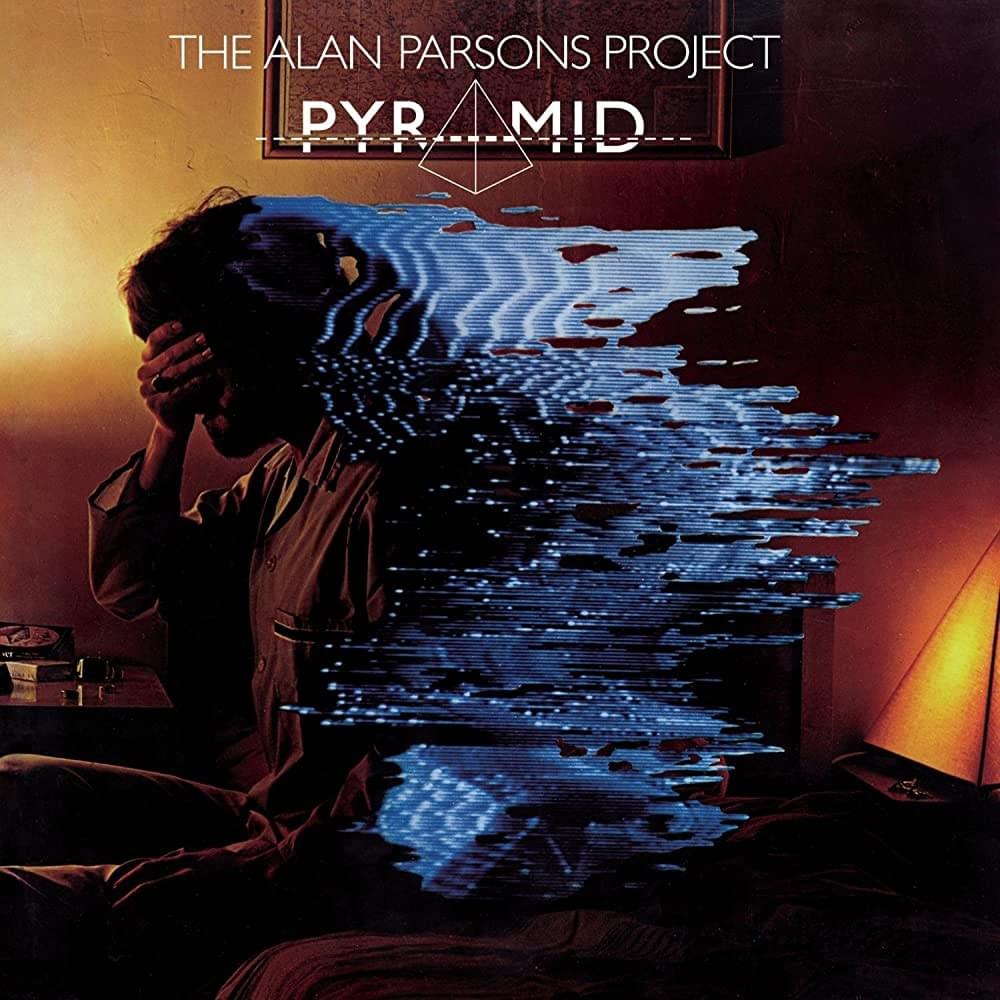
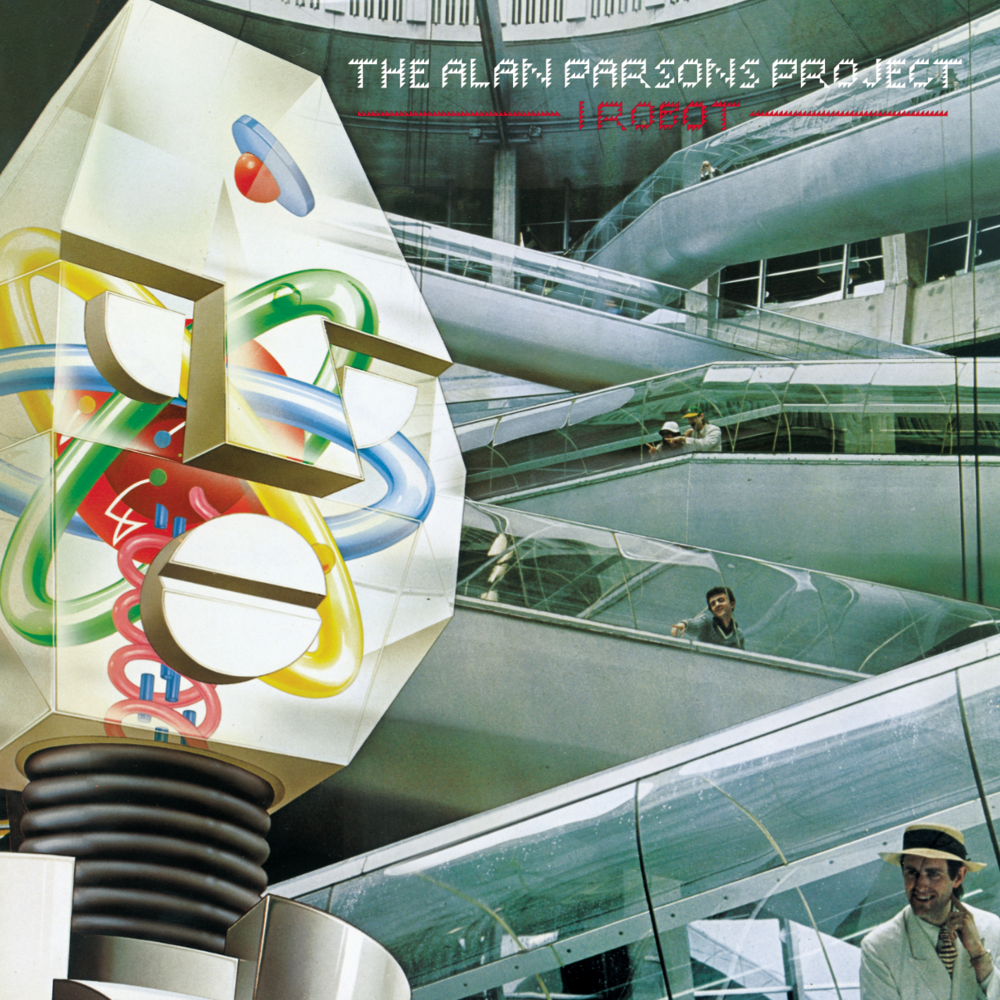
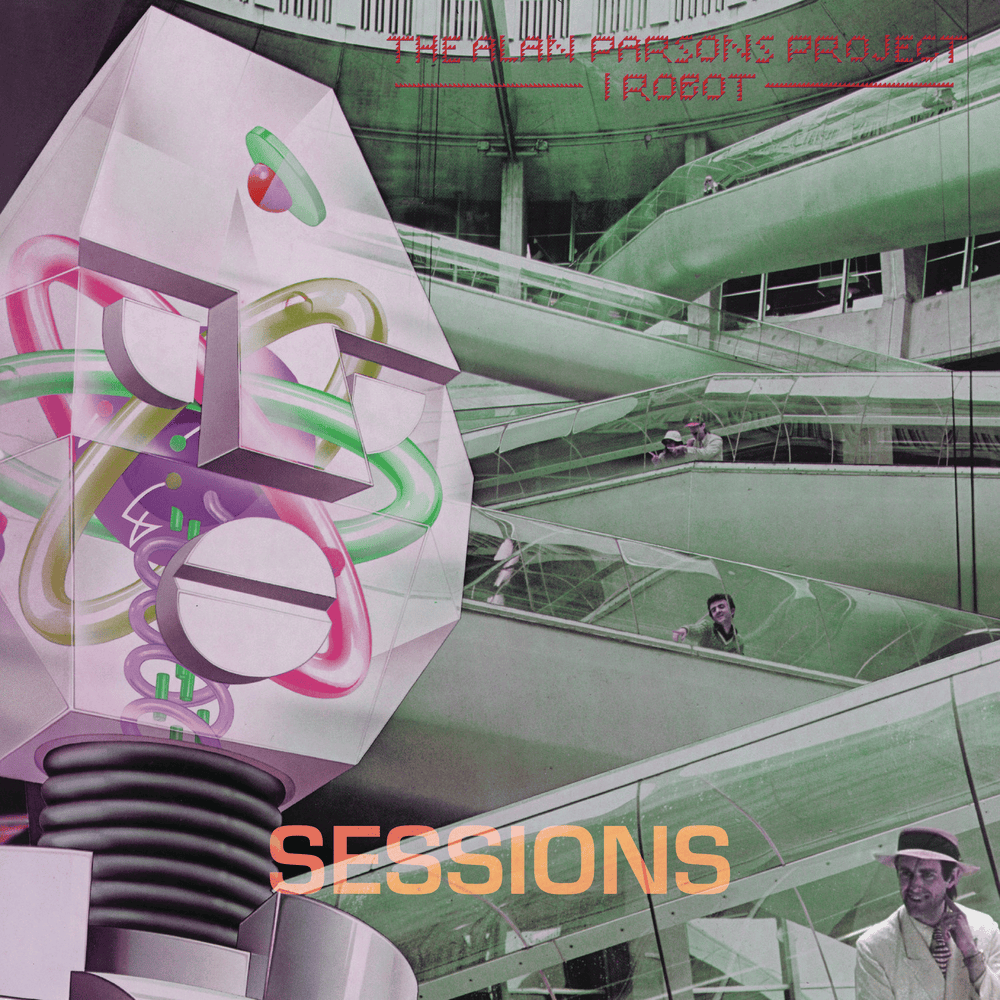
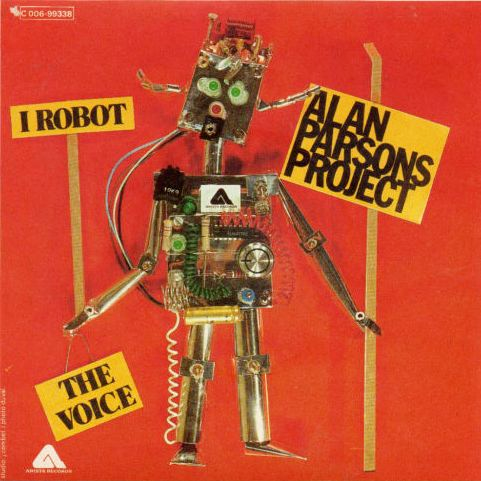
*I Robot* (1977) explored themes of artificial intelligence and humanity's relationship with technology. This album saw them refining their sound, incorporating more electronic elements and creating a cohesive sonic experience. *Pyramid* (1978) delved into ancient mysteries and historical conspiracies, with a slightly more polished and accessible sound.
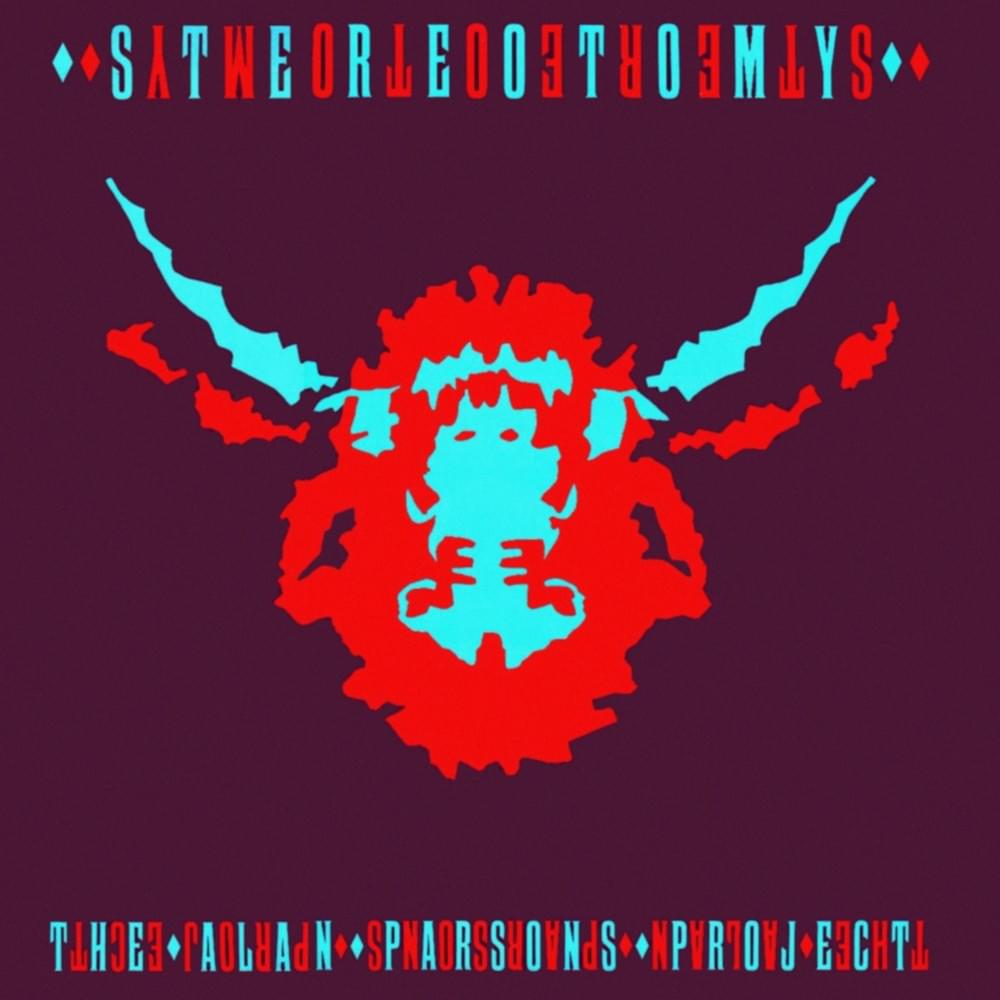
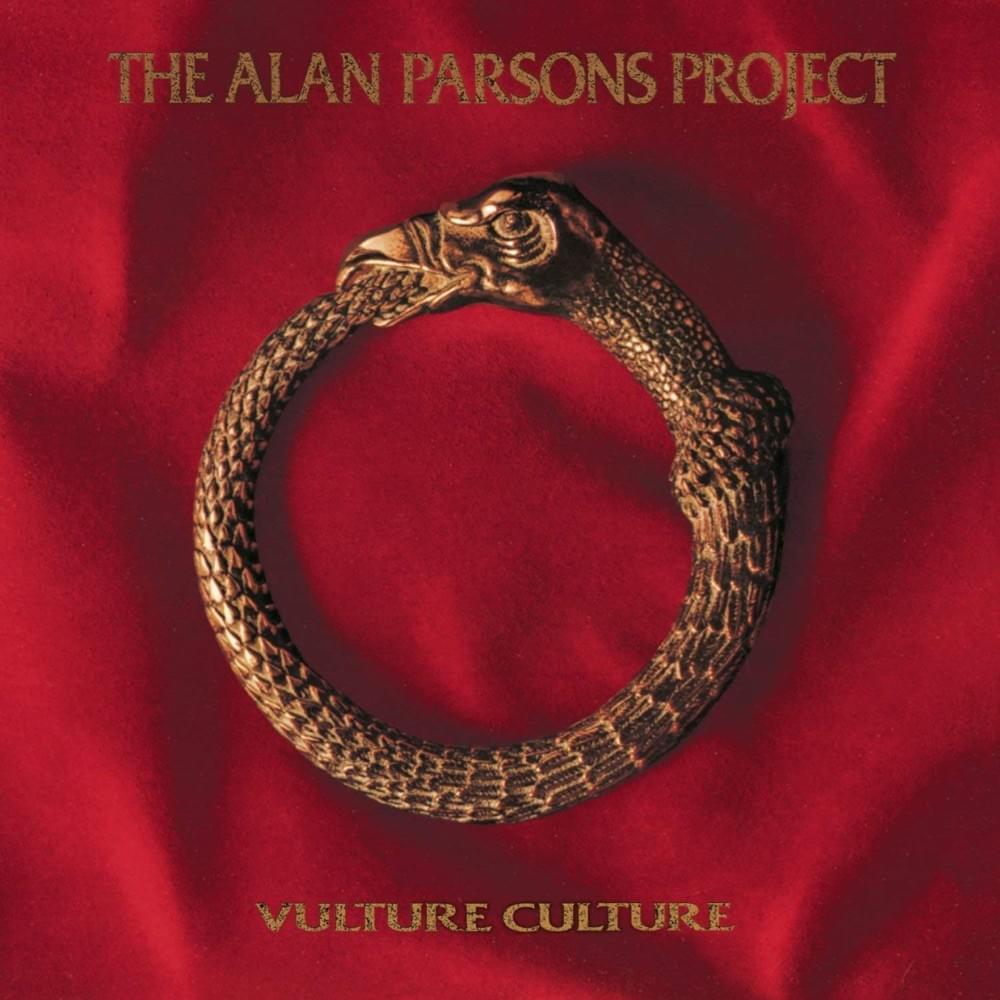
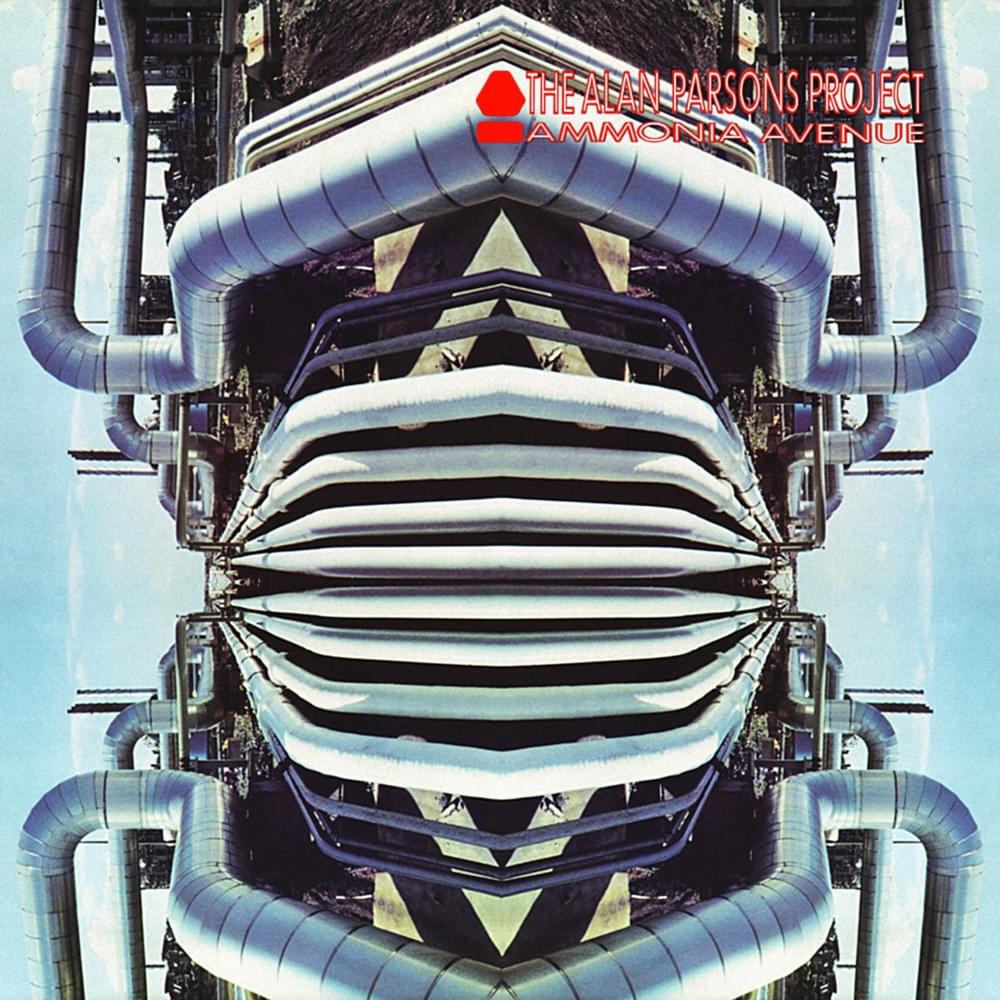
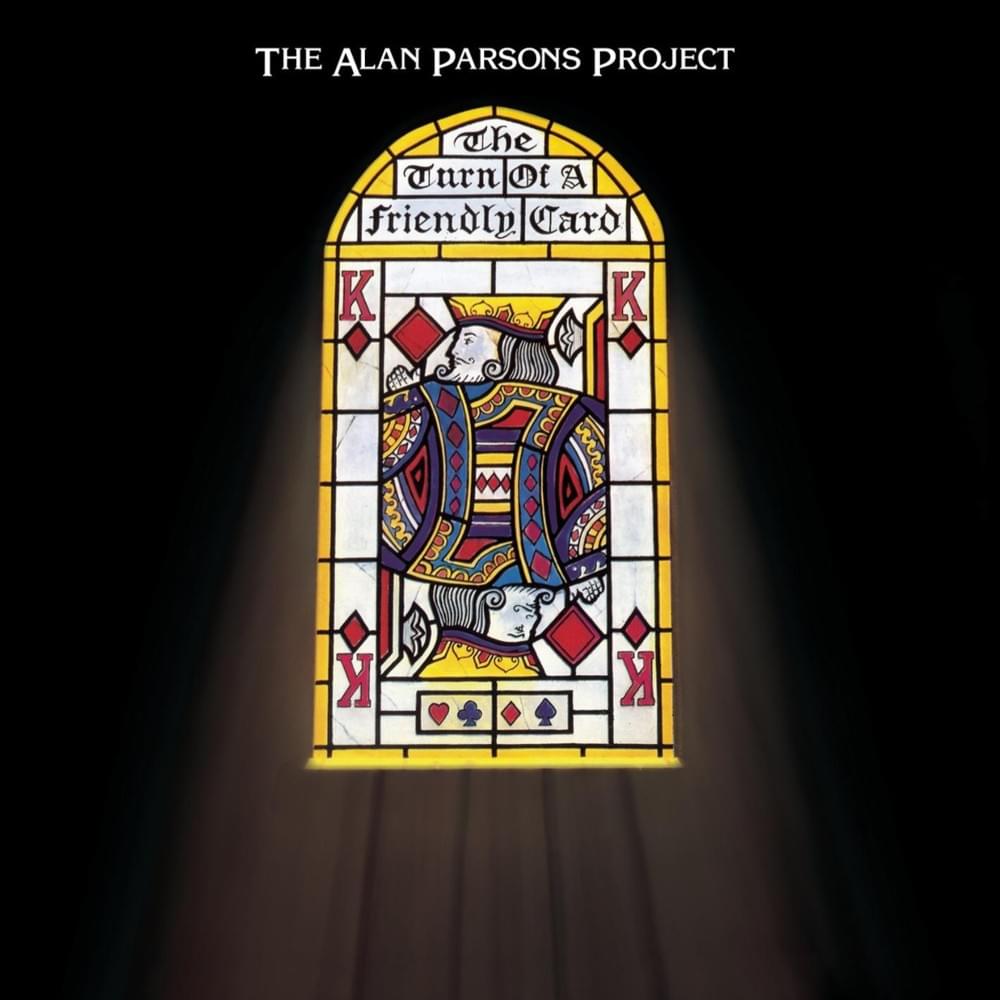
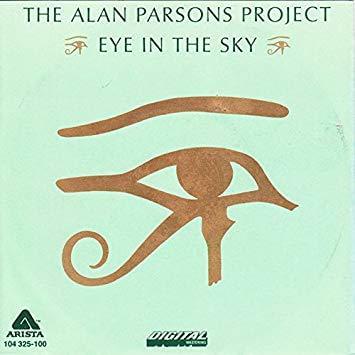
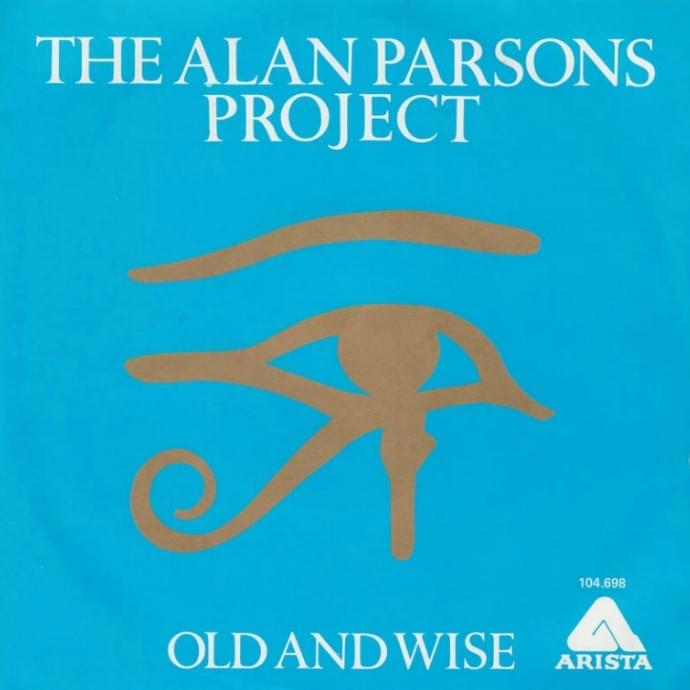
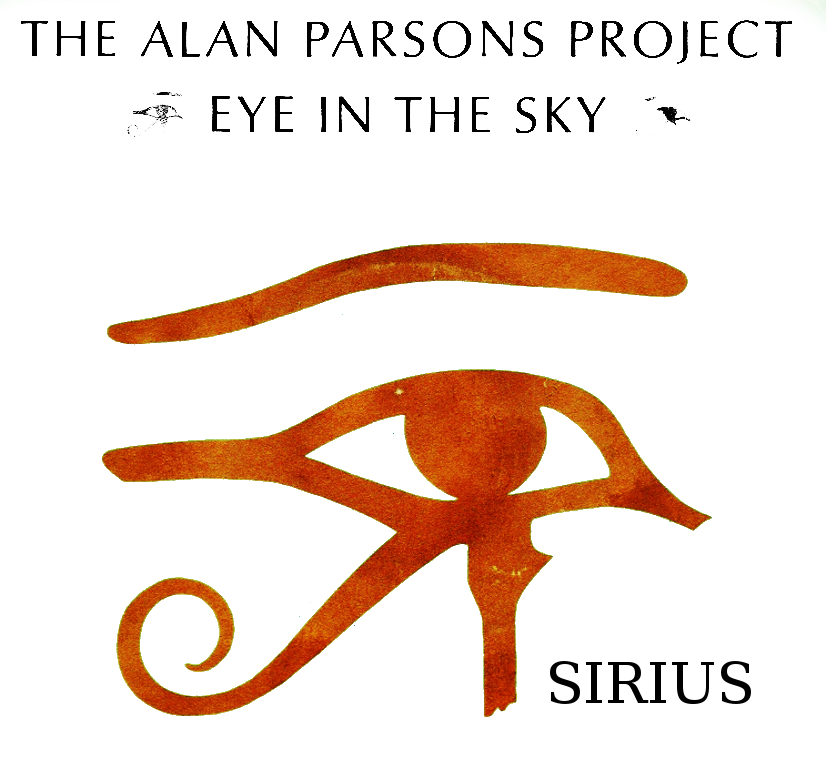
*The Turn of a Friendly Card* (1980) marked a commercial breakthrough for the Project. The album featured more concise and radio-friendly songs, while still maintaining their signature sonic depth. *Eye in the Sky* (1982) became their most commercially successful album, solidifying their place in pop culture. Subsequent albums like *Ammonia Avenue* (1984) and *Vulture Culture* (1985) continued to explore different themes and musical styles.
Hit Songs & Signature Tracks
The Alan Parsons Project's catalog is filled with songs that have become staples of classic rock radio. "Eye in the Sky" is arguably their most recognizable hit, a soaring ballad with lush orchestration and a memorable melody. Its iconic status is well-deserved. "Don't Answer Me" is another fan favorite, showcasing their ability to craft catchy and accessible pop songs with a touch of sophistication.
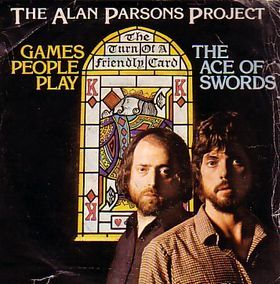
"Games People Play" from *The Turn of a Friendly Card* is a powerful and dramatic track that explores the complexities of human relationships. "Time" is a haunting and introspective ballad that showcases Eric Woolfson's vocal talent. "Sirius" is a purely instrumental track that builds tension and excitement, often used in sports arenas and film soundtracks. These are just a few examples of the Project's diverse and influential songbook.
Their unique blend of progressive rock and pop sensibilities allowed them to create music that was both intellectually stimulating and emotionally resonant. Their songs often explored complex themes and ideas, but they were always delivered with a sense of melody and accessibility that made them appealing to a wide audience.
Collaborations & Features
The Alan Parsons Project, by its very nature, was a collaborative effort. Parsons and Woolfson worked with a rotating cast of session musicians and vocalists, each bringing their unique talents to the table. Some of the most notable vocalists who contributed to the Project's albums include Colin Blunstone (The Zombies), Lenny Zakatek, Chris Rainbow, and Lesley Duncan.
While the Project didn't typically collaborate with other established bands or artists, their music has been sampled and covered by numerous musicians over the years. Their influence can be heard in the work of artists ranging from progressive rock bands to electronic music producers. This is a testament to the enduring appeal of their sound and their impact on popular music.
The fluid nature of the Project allowed them to experiment with different vocal styles and instrumental textures, creating a rich and diverse sonic palette. This collaborative approach was crucial to their success, allowing them to bring their ambitious musical visions to life.
Awards & Achievements
The Alan Parsons Project received numerous accolades throughout their career. While they never won a Grammy Award, they were nominated several times for Best Engineered Album and Best Pop Instrumental Performance. Their albums consistently charted in the Billboard Top 100, and many of their songs became radio staples.
*Eye in the Sky* achieved platinum certification, signifying sales of over one million copies in the United States. The album's title track also reached the Billboard Hot 100, further solidifying their commercial success. Their influence on the music industry is undeniable, inspiring countless artists and engineers to push the boundaries of sound and production.
Beyond awards and certifications, The Alan Parsons Project's greatest achievement was their ability to create timeless music that continues to resonate with listeners today. Their albums are still praised for their sonic depth, thematic complexity, and overall artistic vision.
Personal Life
Alan Parsons has remained active in the music industry, continuing to work as a producer and engineer. He also tours with a live band, performing the music of The Alan Parsons Project for fans around the world. He is a respected figure in the audio engineering community, often giving lectures and workshops on recording techniques.
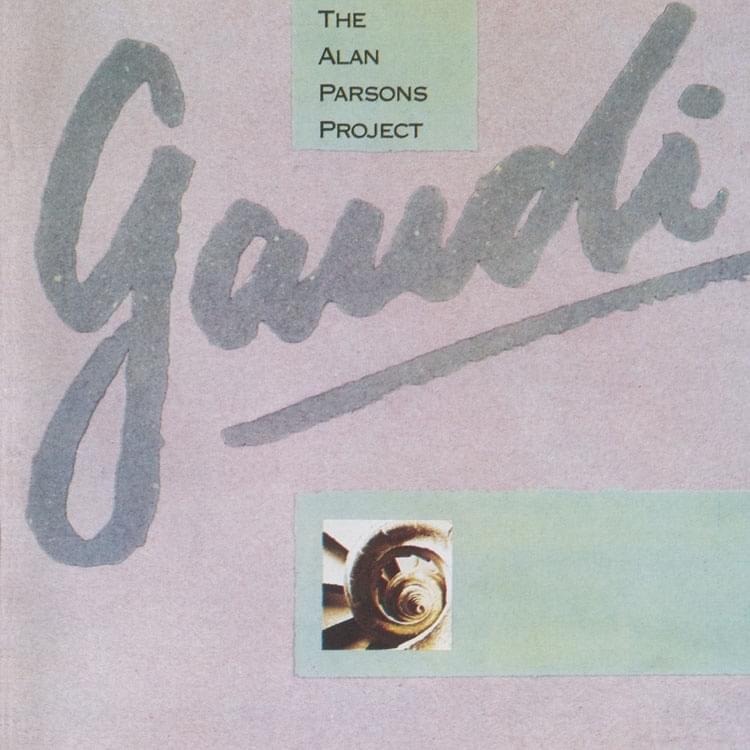
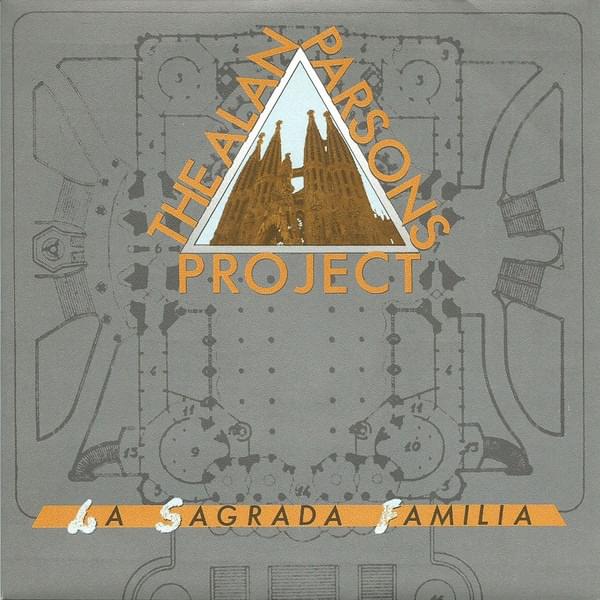
Eric Woolfson pursued a career in musical theater after The Alan Parsons Project disbanded. He wrote and composed several successful musicals, including *Freudiana* and *Gaudi*. Sadly, Woolfson passed away in 2009, but his musical legacy lives on through his work with The Alan Parsons Project and his theatrical productions.
Musical Style & Influence
The Alan Parsons Project defied easy categorization. Their music blended elements of progressive rock, art rock, symphonic rock, and pop. Their signature sound was characterized by lush orchestration, intricate arrangements, and meticulous production. Parsons' engineering skills were crucial to creating their distinctive sonic landscape.
They were influenced by a wide range of artists, including The Beatles, Pink Floyd, and classical composers like Debussy and Ravel. Their music, in turn, has influenced countless artists in various genres. Their emphasis on sonic detail and thematic depth has become a benchmark for musicians striving for artistic ambition.
The Alan Parsons Project's legacy lies in their ability to create immersive and thought-provoking musical experiences. They pushed the boundaries of what was possible in the recording studio, crafting albums that were both sonically stunning and intellectually stimulating. Their music continues to inspire and influence artists and listeners alike.
Recent Work & What's Next
While The Alan Parsons Project, as a duo, is no more, Alan Parsons continues to tour and perform their music with his own band. He also remains active in the studio, producing and engineering for other artists. Parsons' passion for sound and music remains as strong as ever.
Though new material under The Alan Parsons Project name is unlikely, their catalog continues to be discovered by new generations of listeners. Their innovative sound and thematic depth ensure that their music will remain relevant for years to come. The project's influence is still felt across modern music, and Parsons continues to evolve the sound of his live shows.