Suzanne Vega, a defining voice of the 1980s folk-pop revival, carved a unique niche with her understated yet emotionally resonant songwriting. Unlike the bombastic pop anthems of the era, Vega offered intimate portraits of urban life, delivered with a cool, almost detached vocal style that belied the depth of her observations. Born in Santa Monica, California, but raised primarily in New York City, Vega's music is deeply rooted in the city's rhythms and stories. Her lyrics often read like short stories, populated by quirky characters and imbued with a sense of melancholy and longing.
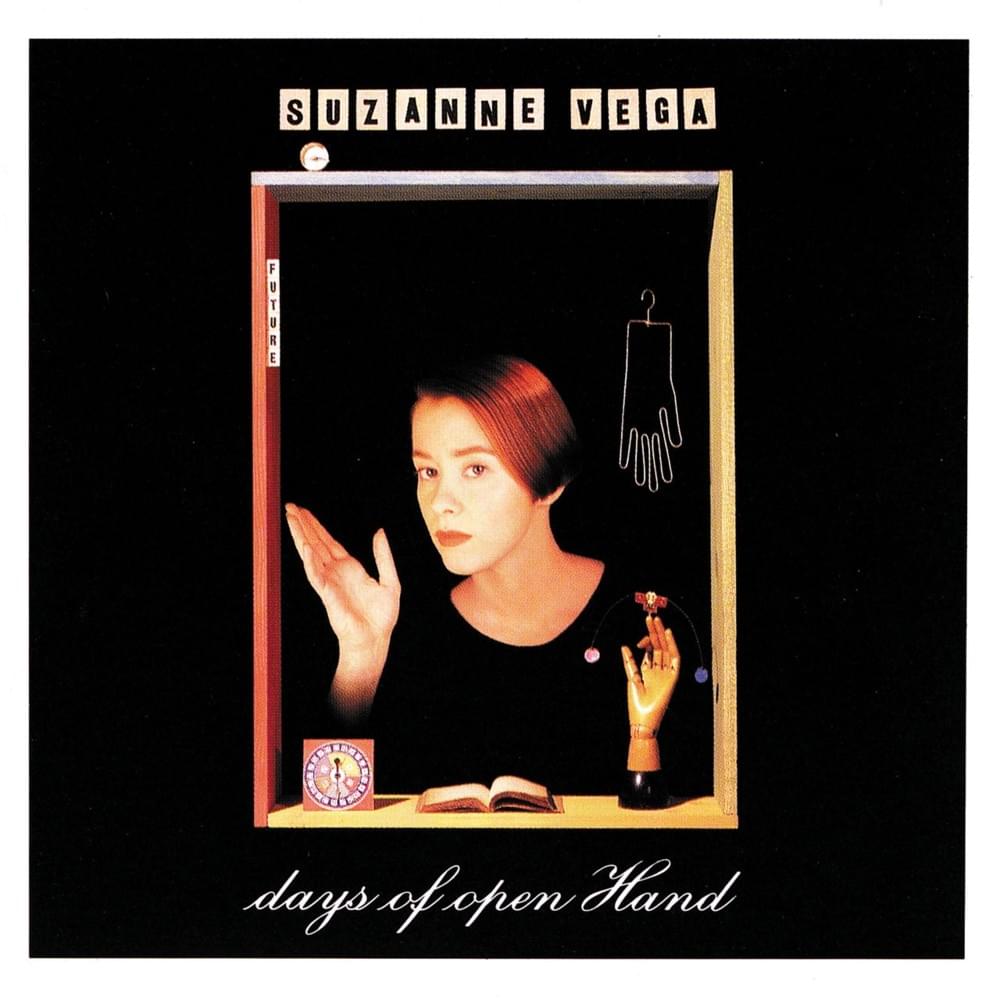
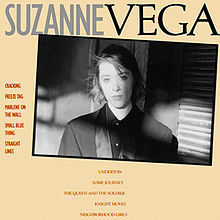
Vega's self-titled debut album in 1985 established her as a significant new talent. Her breakthrough came with her second album, *Solitude Standing*, which featured the international hit "Luka", a song that bravely addressed the topic of child abuse from the perspective of the child. This willingness to tackle difficult subjects with sensitivity and grace became a hallmark of her work. Throughout her career, Vega has consistently explored themes of isolation, relationships, and the search for meaning in the modern world. She possesses a rare ability to transform the mundane into the profound, finding beauty and significance in the everyday details of urban existence.
Beyond her well-known hits, Vega's discography is filled with hidden gems. Songs like Fifty-Fifty Chance showcase her ability to create evocative soundscapes with minimal instrumentation. Her acoustic performances, such as Gypsy (Acoustic Version), highlight the raw emotional power of her songwriting. Vega's lyrics often invite multiple interpretations, encouraging listeners to engage with the songs on a personal level. This is particularly evident in tracks like Those Whole Girls (Run in Grace), where the imagery is both poetic and enigmatic.
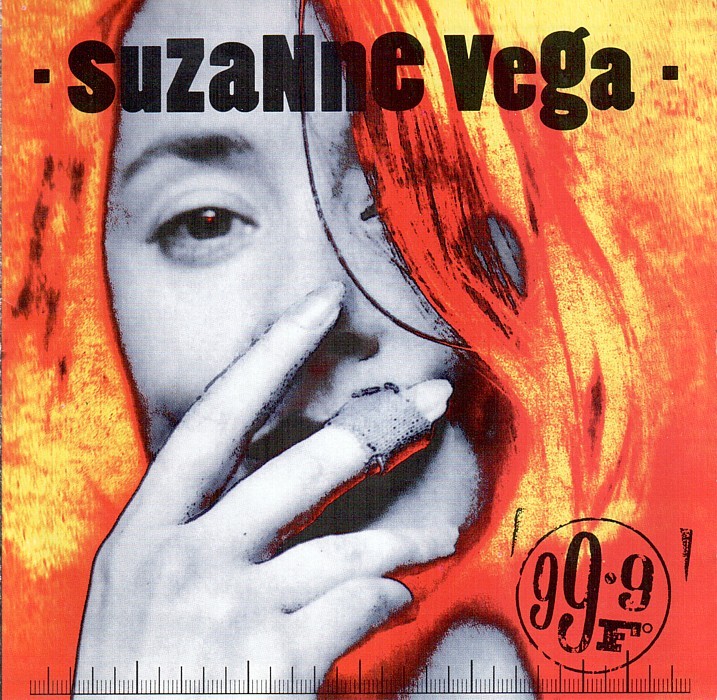
Vega continued to evolve her sound throughout the 1990s and beyond, experimenting with electronic textures and more complex arrangements. However, her core strengths – her lyrical acuity and her distinctive voice – remained constant. The song Room Off the Street exemplifies her later work, displaying her maturity as a songwriter and her continued commitment to exploring the nuances of human experience. Even when revisiting earlier material, as with Caramel (Acoustic Version), Vega brings a fresh perspective and a deeper understanding to the songs. Suzanne Vega remains a vital and influential artist, her music continuing to resonate with audiences who appreciate her intelligence, her honesty, and her unwavering commitment to her craft. She's a storyteller, a poet, and a true voice of the city.