Solomon Linda: The Untold Story Behind the World's Most Famous Melody
Introduction & Current Status
Solomon Linda's name might not be instantly recognizable, but his music? Absolutely unforgettable. This South African singer and composer is the brains behind "Mbube," a song that morphed into the global mega-hit "The Lion Sleeps Tonight." While Linda himself never saw the massive financial rewards his composition generated, his legacy as a foundational figure in the development of South African music and a global influence remains undeniable.
Despite passing away in relative obscurity, Linda's story has seen a resurgence in recent years, fueled by documentaries, legal battles over royalties, and a renewed appreciation for the roots of popular music. His influence continues to reverberate through countless adaptations and reinterpretations of his original melody.
Today, Linda's story serves as a powerful reminder of the complexities of copyright, cultural appropriation, and the enduring impact of African musical traditions on the global stage. He's a figure of both immense talent and profound injustice, whose music continues to captivate generations.
Early Life & Background
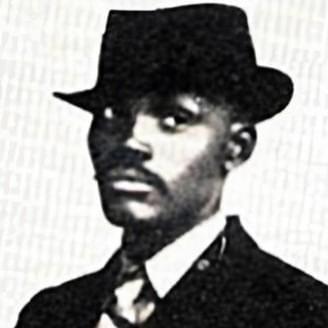
Born Solomon Popoli Linda in Pomeroy, KwaZulu-Natal, South Africa, around 1909, Linda was a singer and composer of Zulu origin. He grew up immersed in the rich musical traditions of his culture, which undoubtedly shaped his unique vocal style and compositional approach. Details about his early life are scarce, but it's clear that music was a central part of his upbringing.
Linda's early exposure to Zulu folk music, particularly the isicathamiya style (a cappella singing), laid the groundwork for his later innovations. This genre, characterized by its close harmonies and intricate vocal arrangements, would become a defining feature of his work. He carried these influences with him when he moved to Johannesburg seeking employment.
In Johannesburg, Linda found work as a cleaner and packer for the Gallo Recording Company, a major player in the South African music industry. This proximity to the recording process provided him with invaluable exposure and opportunities to develop his musical talents.
Career Beginnings
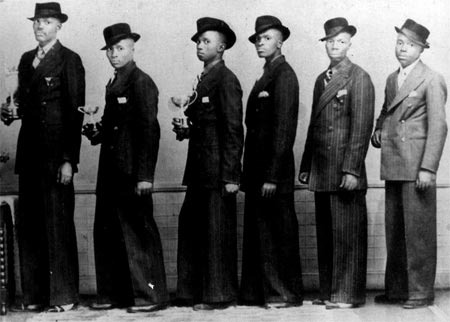
Solomon Linda's career took off when he joined the Evening Birds, a musical group that specialized in isicathamiya. His exceptional vocal abilities and songwriting skills quickly made him a prominent member. It wasn't long before the group's performances caught the attention of talent scouts at Gallo Records.
In 1939, Linda and the Evening Birds recorded "Mbube" (Zulu for "lion") in a single take at the Gallo Recording Studios. This recording, featuring Linda's soaring falsetto and the group's captivating harmonies, would become his breakthrough moment. The song's infectious melody and powerful vocal arrangement resonated deeply with audiences.
"Mbube" became a massive hit in South Africa, selling over 100,000 copies – a remarkable feat for the time. The song's success catapulted Solomon Linda and the Evening Birds to fame, establishing them as major figures in the burgeoning South African music scene. Little did they know, "Mbube" was destined for global recognition, albeit under complicated circumstances.
Major Albums & Discography
Unfortunately, there are no albums available to link to at this time.
While Solomon Linda may not have released numerous full-length albums in the way modern artists do, his impact is primarily centered around his groundbreaking single, "Mbube." This song, recorded with the Evening Birds, served as a cultural cornerstone and a testament to his unique musical vision. The song's success led to subsequent recordings and performances, solidifying his place in South African music history.
It's important to recognize that the music industry landscape in South Africa during Linda's time was vastly different. Single releases were often the primary focus, and the concept of a cohesive album was still developing. Therefore, "Mbube" stands as the defining work of his career, encapsulating his talent and influence. Although albums aren't available to link, his legacy is secure.
Future researchers and music historians may uncover further recordings or compilations featuring Solomon Linda's work. For now, "Mbube" remains the central piece in understanding his contribution to music. The song's journey from a South African hit to a global phenomenon is a story in itself.
Hit Songs & Signature Tracks
Of course, the track that defines Solomon Linda's career is "Mbube." Recorded in 1939, this Zulu-language song became a sensation in South Africa, showcasing Linda's incredible vocal range and the Evening Birds' tight harmonies. Its simple yet unforgettable melody proved universally appealing.
The story of "Mbube" doesn't end there. In the 1950s, Pete Seeger adapted the song, mishearing the title as "Wimoweh." This version became a hit for The Weavers and subsequently inspired numerous covers, most famously "The Lion Sleeps Tonight." While these versions brought the melody to a global audience, they often failed to credit Solomon Linda adequately.
"The Lion Sleeps Tonight" became an international smash, appearing in movies like "The Lion King" and generating substantial royalties. Sadly, Solomon Linda and his family saw very little of this financial success during his lifetime. The song's journey highlights the complexities of copyright law and the challenges faced by African artists in gaining recognition for their work on a global scale.
The cultural impact of "Mbube" and its various adaptations is undeniable. The song has transcended language barriers and cultural boundaries, becoming a timeless classic enjoyed by millions around the world. While the story behind the song is complex and tinged with injustice, its enduring appeal is a testament to Solomon Linda's musical genius.
Collaborations & Features
Solomon Linda's most significant collaboration was with the Evening Birds, the vocal group that brought "Mbube" to life. Their tight harmonies and synchronized movements were integral to the song's success. The Evening Birds provided the perfect backdrop for Linda's soaring vocals, creating a unique and captivating sound.
While Linda didn't engage in collaborations in the modern sense of featuring on other artists' tracks, his work indirectly influenced countless musicians. Pete Seeger's adaptation of "Mbube" opened the door for numerous covers and reinterpretations, effectively making Linda a collaborator across generations and genres. Though not a direct collaboration, the ripple effect of "Mbube" showcases the power of musical inspiration.
The legacy of "Mbube" can be seen as a collaborative effort spanning decades, continents, and cultures. From its Zulu origins to its global adaptations, the song's journey is a testament to the power of music to connect people and transcend boundaries. While Solomon Linda's direct collaborations were limited to the Evening Birds, his indirect influence continues to inspire artists today.
Awards & Achievements
Although Solomon Linda did not receive major international awards during his lifetime, his achievements are significant. The immense popularity of "Mbube" in South Africa established him as a major musical force. Selling over 100,000 copies in the late 1930s was a monumental accomplishment, especially for a black artist in apartheid-era South Africa.
In recent years, there has been a growing movement to recognize Linda's contribution to music history and to rectify the injustices surrounding the copyright of "Mbube." Documentaries and legal battles have brought his story to a wider audience, raising awareness of his legacy. While posthumous awards cannot fully compensate for the lack of recognition he received during his life, they serve as a reminder of his enduring impact.
Linda's true achievement lies in creating a song that has resonated with millions of people across the globe. "Mbube" and its adaptations have become ingrained in popular culture, appearing in movies, television shows, and commercials. This enduring legacy is a testament to his musical genius and his ability to create a timeless melody.
Personal Life
Solomon Linda's personal life remained relatively private, especially given the limited access to information during his time. He lived and worked in Johannesburg, where he supported his family through his music and his job at Gallo Records. Information about his family life and personal struggles has come to light through later investigations into the "Mbube" copyright controversy.
Later in life, Linda faced financial difficulties despite the global success of "The Lion Sleeps Tonight." The royalties he received for "Mbube" were minimal, and he struggled to provide for his family. This injustice has become a central part of his story, highlighting the exploitation of artists and the need for fair compensation. While his personal life may have been marked by hardship, his musical legacy continues to inspire.
Musical Style & Influence
Solomon Linda's musical style was deeply rooted in the isicathamiya tradition of Zulu music. His soaring falsetto vocals, combined with the intricate harmonies of the Evening Birds, created a unique and captivating sound. "Mbube" exemplifies this style, showcasing the power and beauty of African vocal music.
Linda's influence can be heard in countless adaptations and reinterpretations of "Mbube." From Pete Seeger's "Wimoweh" to The Tokens' "The Lion Sleeps Tonight," his melody has been embraced by artists across genres and generations. He paved the way for other African musicians to gain international recognition, demonstrating the universal appeal of African musical traditions.
His legacy extends beyond the specific adaptations of "Mbube." Linda's work helped to popularize isicathamiya music and to showcase the richness and diversity of South African musical culture. He is remembered as a pioneer and an innovator, whose music continues to inspire and influence artists around the world.
Recent Work & What's Next
Solomon Linda passed away in 1962, so there is no recent work to discuss in the traditional sense. However, his legacy continues to be explored and celebrated through documentaries, musical tributes, and ongoing efforts to secure fair compensation for his descendants. His story remains relevant and important, highlighting the need for greater awareness of copyright issues and the contributions of African artists.
What's next for Solomon Linda's legacy? Hopefully, continued recognition and a greater understanding of his impact on global music. The story of "Mbube" serves as a cautionary tale and a source of inspiration, reminding us of the power of music and the importance of protecting the rights of artists. His music will undoubtedly continue to be enjoyed and reinterpreted for generations to come.