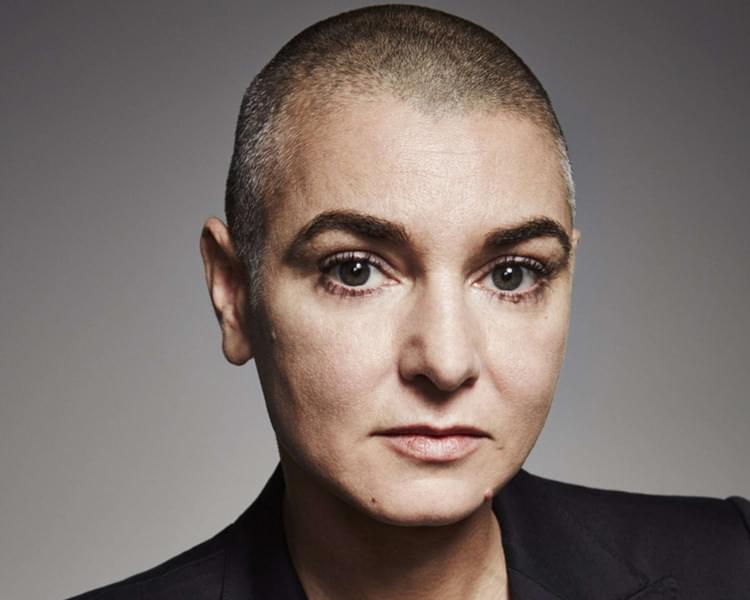
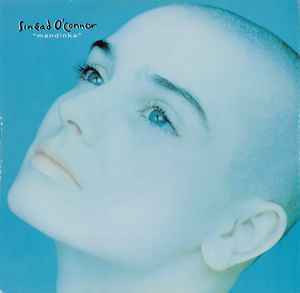
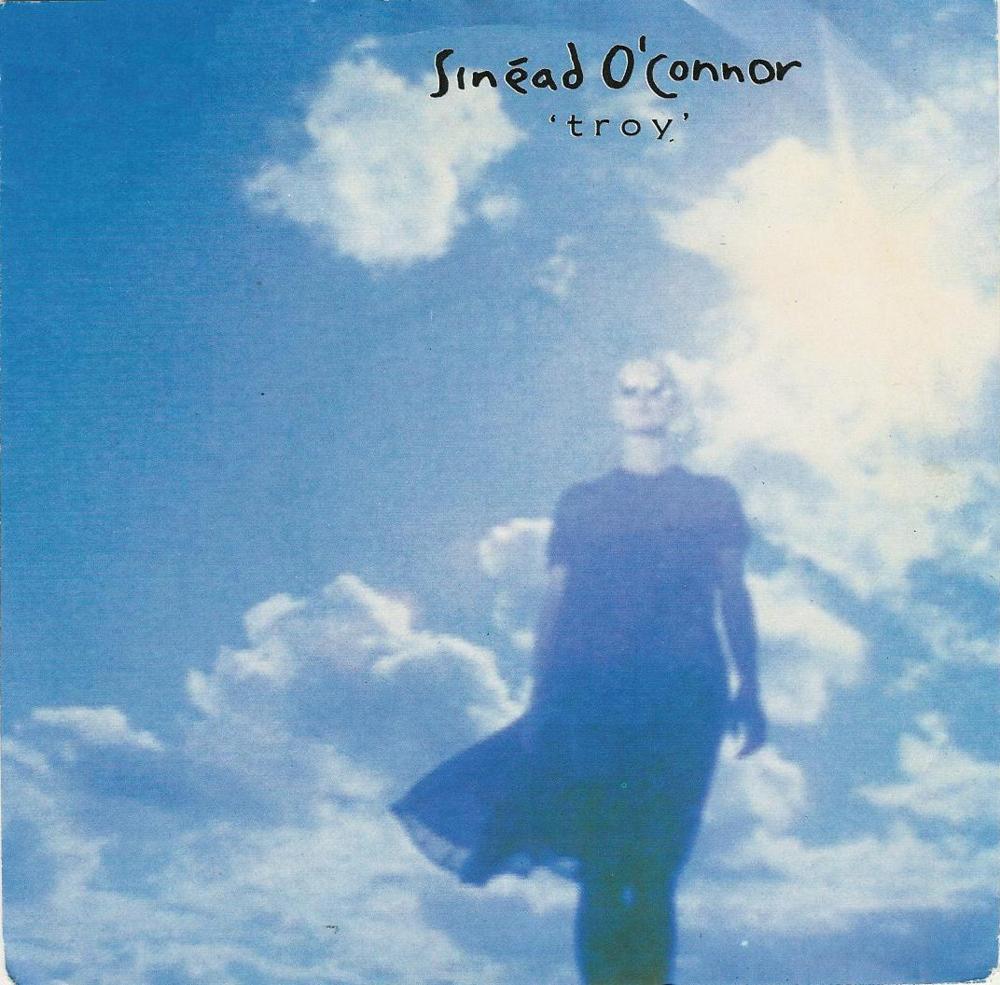
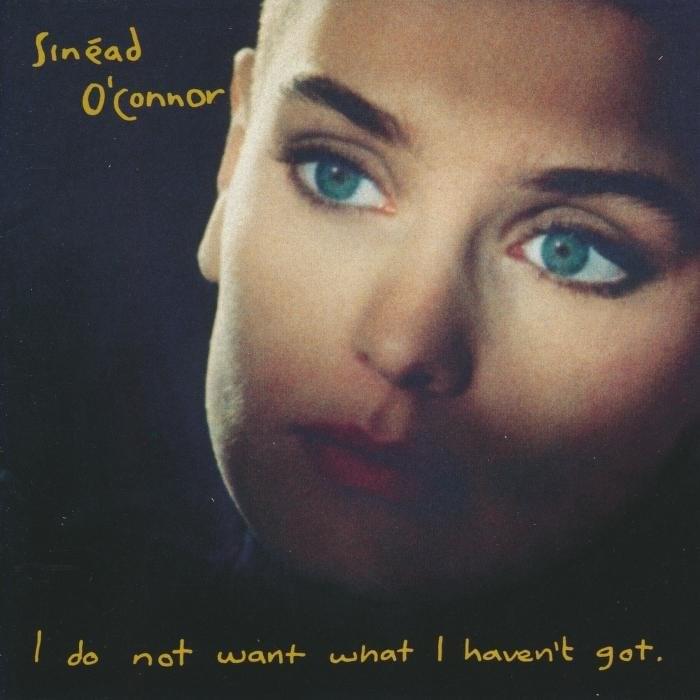
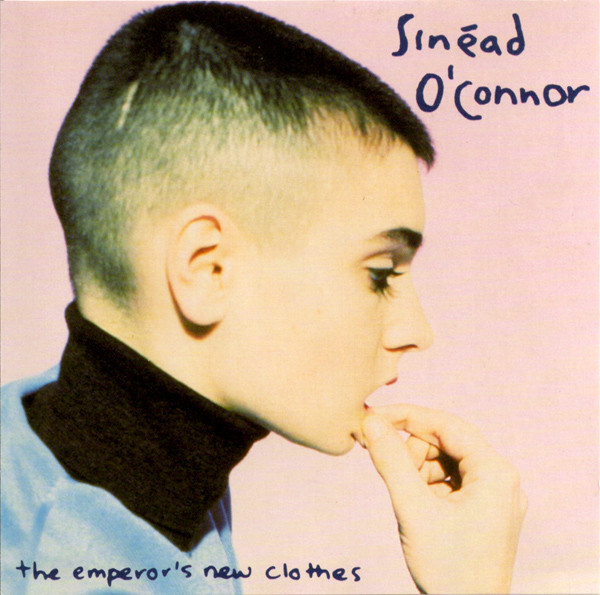
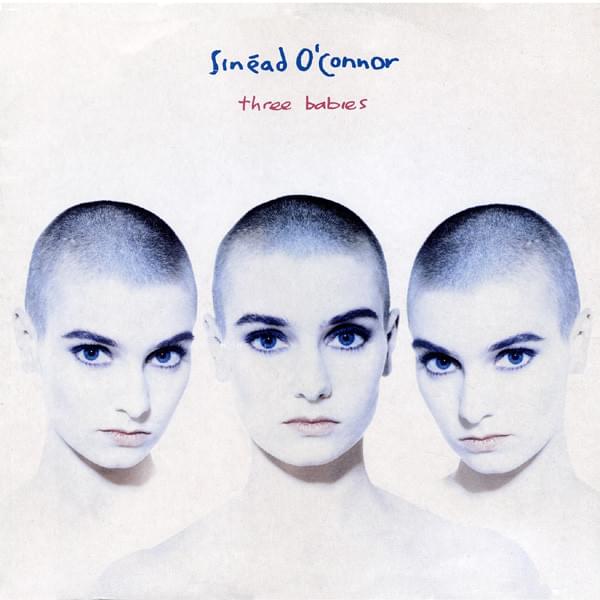
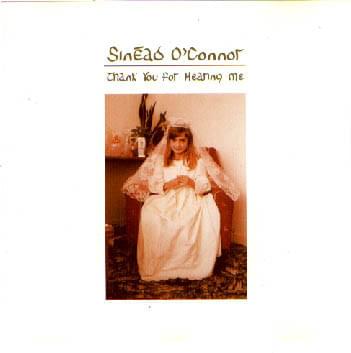
Sinéad O'Connor, the Irish singer-songwriter, wasn't just a musician; she was a force of nature. From the moment she burst onto the scene in the late 1980s, O'Connor defied convention, challenged norms, and used her powerful voice to speak truth to power. Her shaved head became a symbol of rebellion against the music industry's expectations of female artists, and her music became a soundtrack for those who felt marginalized and unheard.
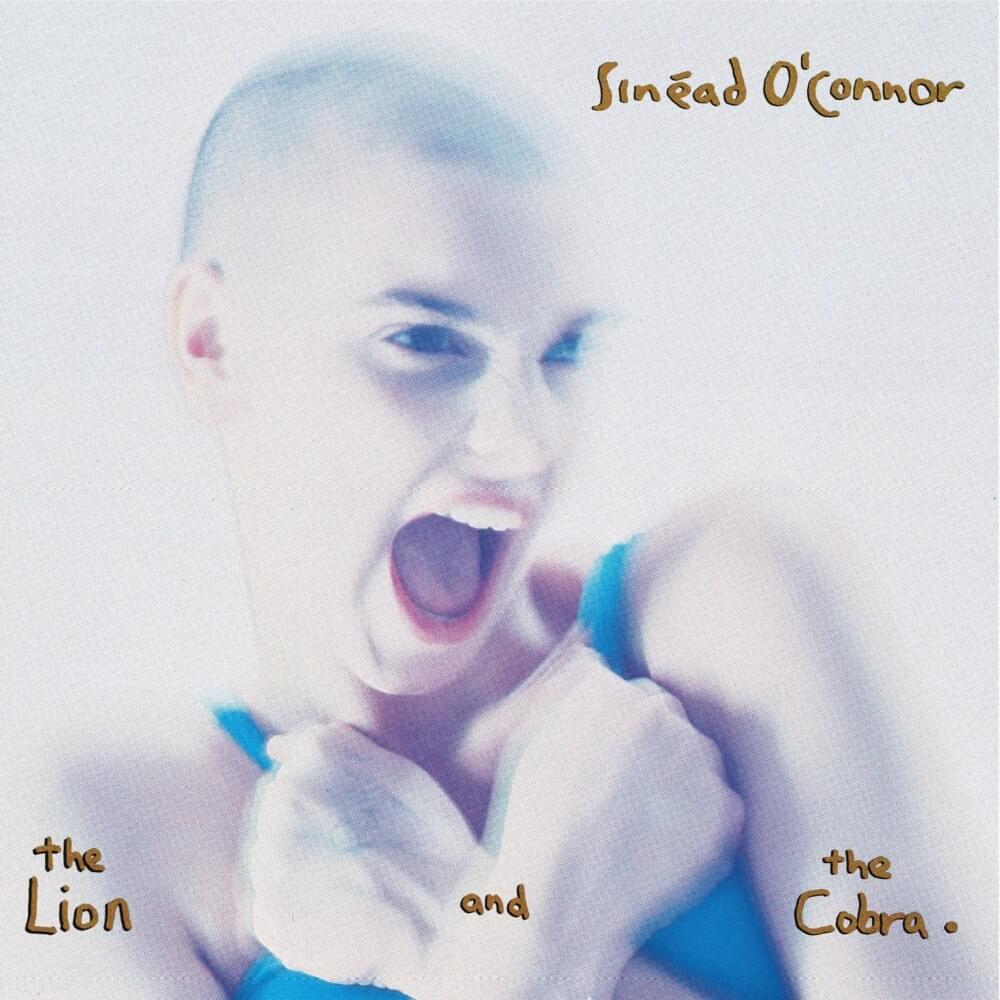
O'Connor's early years were marked by trauma and hardship, which deeply influenced her artistic expression. She poured her pain and anger into her music, creating raw and emotionally resonant songs that connected with audiences on a profound level. Her debut album, *The Lion and the Cobra*, showcased her incredible vocal range and her willingness to experiment with different genres, blending elements of pop, rock, and traditional Irish music.
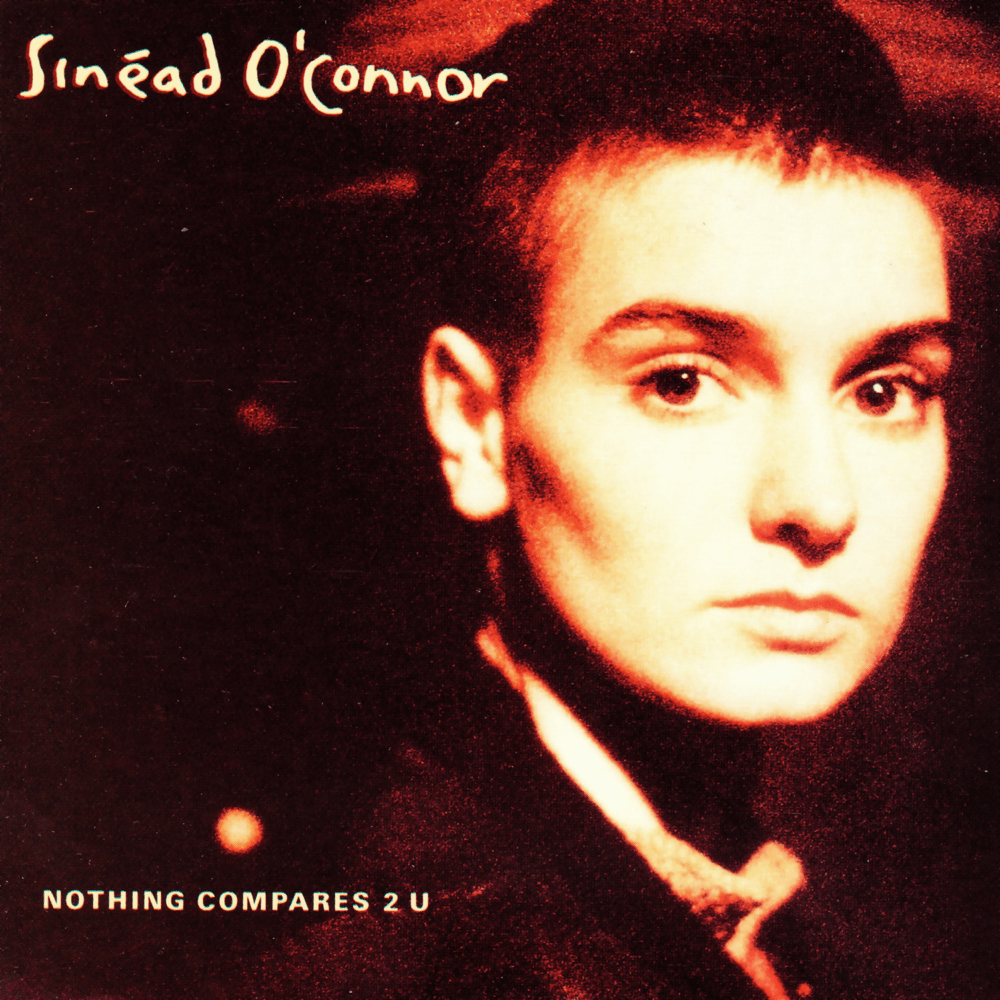
While best known for her unforgettable rendition of Prince's "Nothing Compares 2 U," O'Connor's discography is filled with gems that deserve equal recognition. Tracks like Harbour demonstrate her ability to craft deeply moving and introspective ballads, while songs such as Take Me to Church showcase her willingness to explore spiritual themes and challenge religious dogma. Her fearless exploration of complex emotions and societal issues made her a unique and compelling voice in pop music.
O'Connor's career was often marked by controversy. Her outspoken views on religion, politics, and social justice frequently drew criticism and sparked debate. However, she remained steadfast in her convictions, refusing to compromise her beliefs for the sake of popularity. Even in her later work, such as the reflective How About I Be Me, she continued to challenge listeners and provoke thought.
Her later albums continued to showcase her evolving sound and her unwavering commitment to artistic integrity. She never shied away from exploring different genres and experimenting with new sounds. The raw emotion present in 8 Good Reasons is a testament to the vulnerability she was unafraid to share with the world. O'Connor's legacy extends far beyond her musical achievements. She was a cultural icon, a symbol of resistance, and a voice for the voiceless. And even in songs like The Vishnu Room, her exploration of spirituality remained unflinching.