Shelley Fabares: From Teen Idol to TV Icon
Introduction & Current Status
Shelley Fabares. The name conjures up images of the early '60s pop scene and a certain mouse-eared club. But Fabares wasn't just another flash-in-the-pan teen idol. She leveraged early success into a long-running career in television, proving she was way more than just a pretty face with a catchy tune.
While she might not be topping the charts today, Fabares remains a recognizable and beloved figure from a golden age of entertainment. Her music still finds new listeners thanks to the magic of streaming and retro playlists. She's proof that some stars never truly fade.
Shelley's work on screen, particularly her roles in shows like "The Donna Reed Show" and later, "Coach", cemented her place in pop culture history. She's a reminder of a time when television offered wholesome family entertainment. That era may be gone, but her influence is still felt.
Early Life & Background
Born in Santa Monica, California, to Elsa and James Fabares, Shelley's entry into show business felt almost pre-ordained. Her aunt, Nanette Fabray, was already a successful actress and singer. This connection undoubtedly opened doors, but it was Shelley's talent and charisma that kept her there.
Growing up in a show business family meant early exposure to the performing arts. Shelley began acting at a young age, landing small roles that slowly built her resume. These early experiences instilled a strong work ethic and a comfort level in front of the camera.
While many kids were dreaming of being astronauts, Shelley was already living the Hollywood dream. This environment shaped her ambitions and provided a unique perspective on the entertainment industry. She learned early on that success required dedication and a thick skin.
Career Beginnings
Shelley's career took off in the late 1950s with her role as Mary Stone on "The Donna Reed Show." This wholesome family sitcom became a massive hit, catapulting Shelley into teen idol status. She quickly became a household name, adored by audiences across the country.
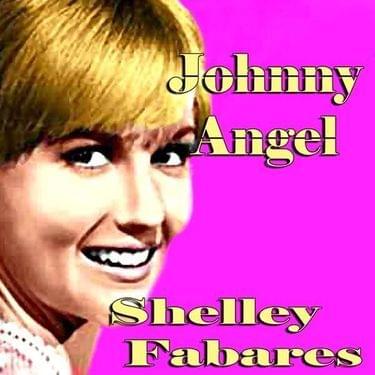
Her success on television naturally led to opportunities in music. In 1962, she released her first single, "Johnny Angel", which skyrocketed to the top of the Billboard charts. Suddenly, Shelley Fabares wasn't just an actress; she was a bona fide pop star.
The combination of her acting role and her hit song created a perfect storm of popularity. Teen magazines plastered her face on their covers, and fans clamored for more of her music. She was the ultimate triple threat: actress, singer, and all-around '60s icon.
Major Albums & Discography
Shelley's discography, though relatively brief, captured the sound of early '60s teen pop. Her albums were filled with catchy melodies, innocent lyrics, and a breezy, California vibe. They were the perfect soundtrack for sock hops and drive-in movies.
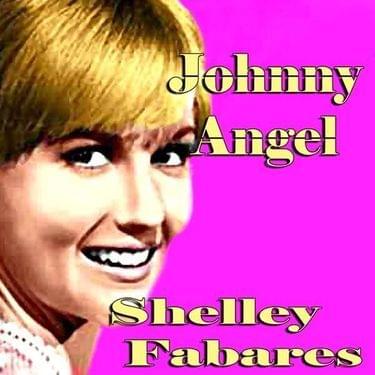
Her debut album, "Johnny Angel", capitalized on the success of the hit single and featured similar upbeat tracks. It showcased her sweet vocals and her ability to deliver a memorable hook. This album solidified her status as a pop star.
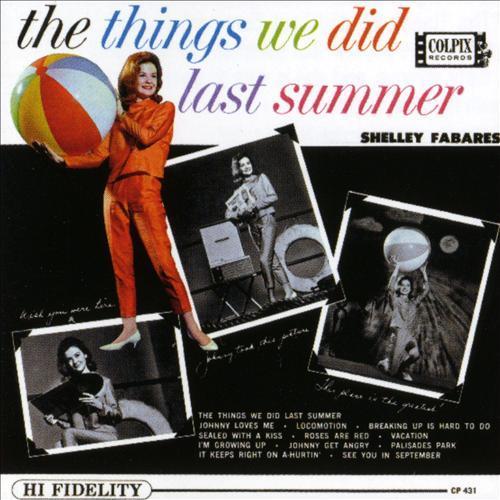
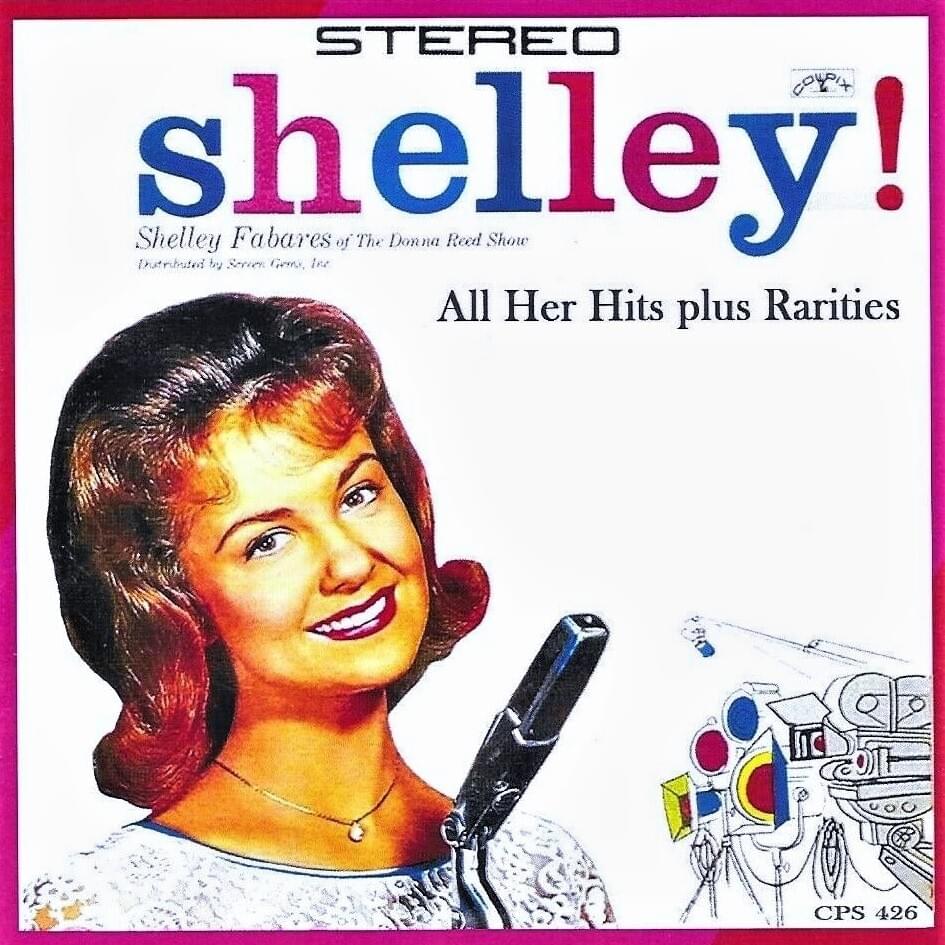
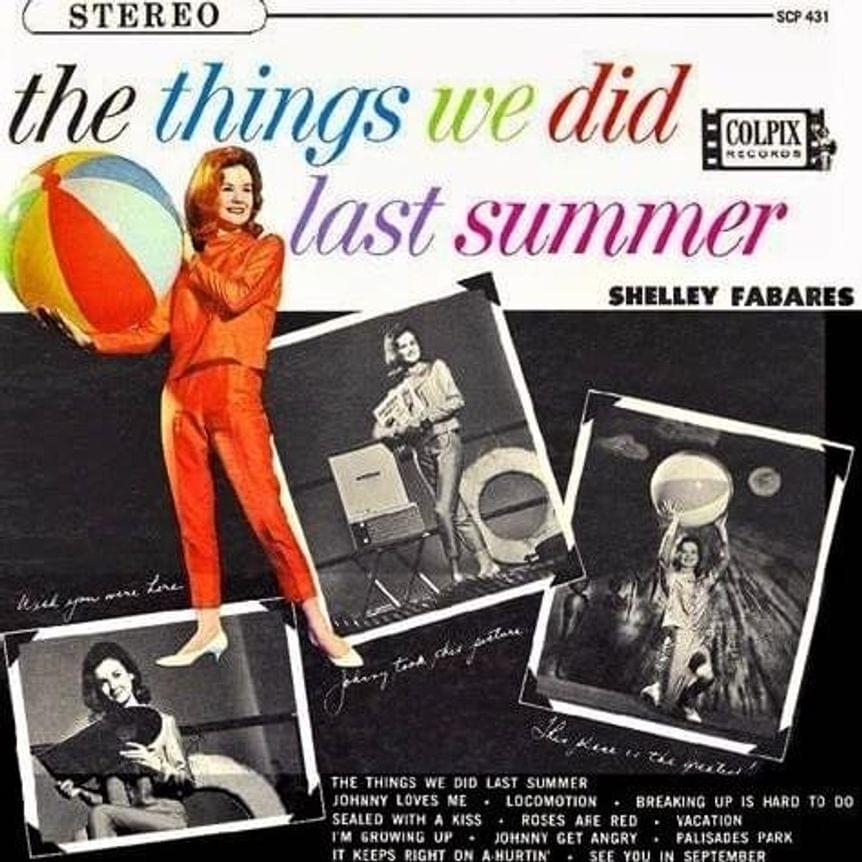
"Shelley!" followed, further exploring the themes of young love and teenage dreams. Her third album, "The Things We Did Last Summer ", showed off a slightly more mature sound, hinting at the musical directions she might have taken had she continued pursuing a full-time singing career.
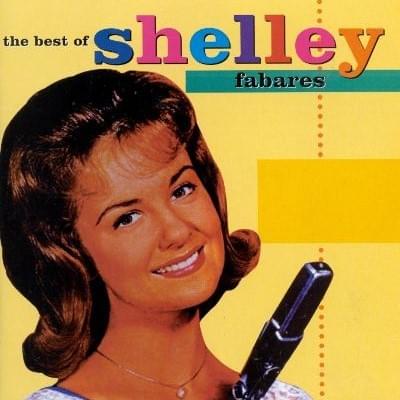
Compilations like "The Best of Shelley Fabares" and "Shelley! All Her Hits plus Rarities" continue to keep her music alive for both longtime fans and new listeners discovering her for the first time.
Hit Songs & Signature Tracks
"Johnny Angel" remains Shelley's signature song. Its catchy melody and relatable lyrics about teenage infatuation resonated with audiences and propelled it to number one on the Billboard charts. The song is a perfect encapsulation of early '60s teen pop.
Other notable tracks include "Love Letters", a sweet and sentimental ballad that showcased her vocal range, and "Picnic", a fun and upbeat tune perfect for summer days. These songs, while not as commercially successful as "Johnny Angel", further demonstrated her talent and versatility.
Fabares also recorded "True Love", a classic reimagining that added her signature bubbly style. "Boy of My Own" also showcased her ability to capture the emotions of young love. These tracks helped solidify her image as America's sweetheart.
Beyond the hits, tracks like "Where's It Gonna Get Me?" and "It's Been a Long, Long Time", "Funny Face", "I'm Growing Up", and "Hi Lilli, Hi-Lo" added depth to her discography, showcasing a range of styles and emotions. While "Johnny Angel" defined her, these songs painted a fuller picture of her musical abilities.
Collaborations & Features
While Shelley Fabares didn't engage in a ton of high-profile collaborations during her pop career, her work on "The Donna Reed Show" often involved musical performances alongside her castmates. These weren't official collaborations in the modern sense, but they did showcase her ability to harmonize and perform with others.
Her appearances on various television specials and variety shows also provided opportunities to share the stage with other performers. While specific collaborations might be less documented, her career was built on teamwork and ensemble performance.
It's worth noting that in the '60s, the concept of featured artists and cross-genre collaborations wasn't as prevalent as it is today. Shelley's focus remained on her solo work and her acting career.
Awards & Achievements
Shelley Fabares' biggest achievement was undoubtedly her chart-topping hit, "Johnny Angel". Reaching number one on the Billboard charts was a major accomplishment for any artist, especially a young actress transitioning into music.
Her role on "The Donna Reed Show" also earned her recognition and accolades. While specific award wins might be less documented, the show itself was a critical and commercial success, contributing to her overall fame and recognition.
Beyond specific awards, Shelley's longevity in the entertainment industry is a testament to her talent and hard work. She successfully transitioned from teen idol to respected actress, a feat that many performers struggle to achieve. Her consistent work in television earned her a loyal fanbase.
Personal Life
Shelley Fabares has generally maintained a private personal life, focusing on her career and family. She was married to record producer Lou Adler from 1964 to 1980. She later married actor Mike Farrell in 1984. Her relationships have remained largely out of the spotlight.
Fabares has also been involved in philanthropic work, supporting various causes throughout her career. While details of her specific charitable activities may be less publicized, her commitment to giving back is well-known. She has always used her platform for good.
Musical Style & Influence
Shelley Fabares' musical style is best described as early '60s teen pop. Her songs were characterized by catchy melodies, upbeat tempos, and innocent lyrics about young love and teenage life. Her sound was clean, polished, and designed to appeal to a wide audience.
She was influenced by the pop singers of the era, including Connie Francis and Brenda Lee. Her music shares similarities with these artists, but she brought her own unique charm and personality to her performances. Her background in acting also informed her vocal delivery.
While Shelley Fabares may not be cited as a direct influence by many contemporary artists, her music represents a specific moment in pop culture history. She captured the spirit of the early '60s and helped define the sound of teen pop. Her songs continue to be enjoyed by fans of retro music.
Recent Work & What's Next
Shelley Fabares has largely retired from acting in recent years, but her legacy continues to live on through her past work. Her appearances at fan conventions and her presence on social media allow her to connect with fans and share memories from her career.
While new music from Shelley Fabares is unlikely, her existing recordings continue to find new listeners through streaming services and retro playlists. Her songs remain a nostalgic reminder of a simpler time and a testament to her enduring appeal.