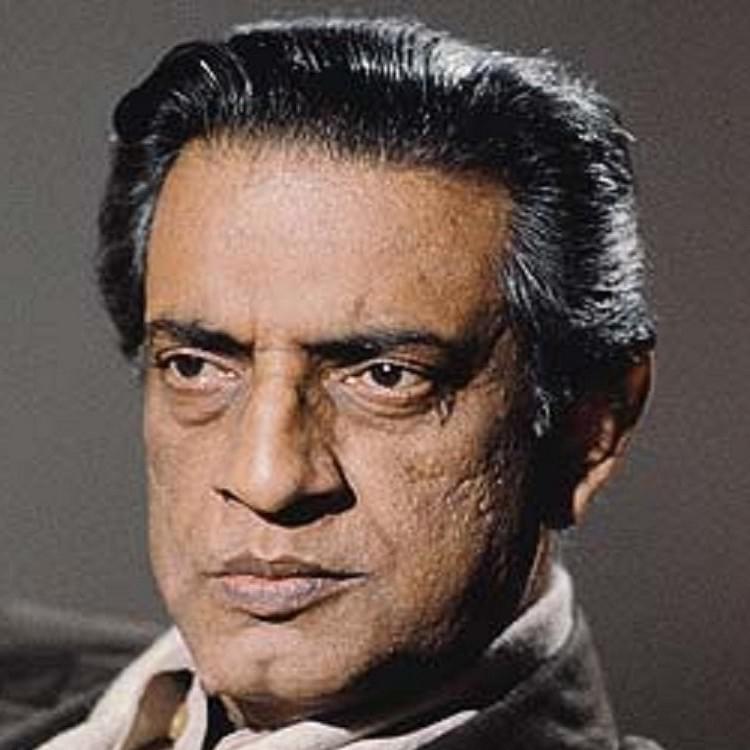
Photo of Satyajit Ray

Satyajit Ray

1.9K Listeners

Artist Bio

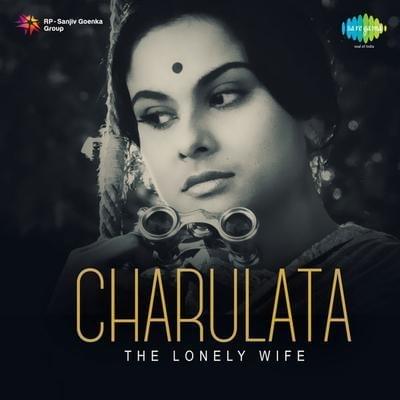
Introduction & Current Status Satyajit Ray isn't exactly topping the charts these days, but his impact? Still monumental. This isn't about chasing TikTok virality; it's about recognizing a cinematic and musical genius whose work continues to inspire filmmakers and composers globally. Think of him as the ultimate sample source. His scores are timeless. He’s the guy your favorite director name-drops when talking about influences. We're talking legit GOAT status here, influencing entire generations. His compositions are a masterclass in blending Indian classical music with Western orchestral arrangements, and his film scores are as iconic as the movies themselves. Ray's work remains essential viewing and listening for anyone serious about film or music. It's like discovering that vintage vinyl that everyone secretly wants to own. His legacy is secure. He is a legend. Early Life & Background Born in Calcutta (now Kolkata), India, into a family deeply entrenched in art and literature, Satyajit Ray was pretty much destined for greatness. His grandfather, Upendrakishore Ray Chowdhury, was a writer, illustrator, and printer. His father, Sukumar Ray, was a pioneering Bengali writer of nonsense verse and children's literature. Talk about creative DNA. Growing up in this environment, Ray was constantly surrounded by books, art, and music. He studied at Presidency College, Calcutta, and later at Visva-Bharati University, founded by Rabindranath Tagore, which exposed him to a wide range of artistic traditions. This early exposure shaped his worldview and artistic sensibilities. It’s rumored he was low-key obsessed with Western classical music as a kid. Picture young Ray vibing to Mozart while everyone else was listening to, well, probably nothing that interesting back then. This fusion of Eastern and Western influences became a hallmark of his unique style. Career Beginnings Ray's entry into filmmaking was almost accidental. While working as a graphic artist for a British advertising agency, he was sent to London. During this time, he watched Vittorio De Sica's *Bicycle Thieves*, which had a profound impact on him. He then decided to make his own films. Financing his first film, *Pather Panchali* (1955), was a huge struggle. He had to pawn his wife's jewelry and rely on government loans. But the film was a massive success, winning numerous awards and launching his career. It was the ultimate underdog story. He didn't just direct; he often wrote the screenplays, designed the sets and costumes, and even composed the music for his films. Talk about main character energy. He was a true auteur, controlling every aspect of his artistic vision. Major Albums & Discography Ray’s approach to film scores was revolutionary, ditching the typical Bollywood bombast for something more subtle and nuanced. Check out Charulata - The Lonely Wife (Original Motion Picture Soundtrack), a masterclass in understated elegance. The album perfectly captures the film's mood, using a blend of classical Indian melodies and Western instrumentation. His scores weren’t just background music; they were integral to the storytelling, adding layers of emotion and meaning. Think of them as sonic character development. Each note, each instrument choice, was carefully considered to enhance the narrative. While he didn't release tons of albums in the traditional sense, his film soundtracks are now recognized as standalone works of art. They're the kind of thing you put on when you want to feel cultured and sophisticated. Hit Songs & Signature Tracks Ray's compositions are instantly recognizable, even if you don't know his name. Charu Theme, from *Charulata*, is straight-up iconic. It’s the kind of melody that gets stuck in your head for days, in the best possible way. And then there’s Amal Leaves, a track that's both haunting and beautiful. It perfectly captures the film's bittersweet tone, leaving you with all the feels. These aren't just songs; they're miniature symphonies that tell stories all on their own. Ray’s music transcends language barriers, connecting with listeners on a deep emotional level. If you're looking for something to soundtrack your existential crisis, look no further. Collaborations & Features While Ray primarily worked solo on his film scores, his influence on other musicians is undeniable. He paved the way for future generations of Indian composers and filmmakers, inspiring them to blend traditional and contemporary styles. Many contemporary artists have sampled or reinterpreted his music, giving it a new lease on life. It's like he's constantly collaborating with artists across time and space. His genius is timeless. His work has been featured in countless documentaries and films, further cementing his legacy. He's the ultimate influencer, even if he wasn't trying to be. Awards & Achievements Ray's trophy shelf must have been legendary. He won an honorary Academy Award in 1992 for his contribution to cinema. It was a "finally!" moment for cinephiles worldwide. He also received the Bharat Ratna, India's highest civilian award. Basically, he's national treasure status. His films have won numerous awards at international film festivals, including Cannes, Venice, and Berlin. Beyond the accolades, his greatest achievement was his ability to tell universal stories that resonated with audiences around the world. He wasn't just making films; he was creating art that transcended cultural boundaries. Personal Life Ray was known for his quiet demeanor and intellectual curiosity. He was married to Bijoya Ray, and they had one son, Sandip Ray, who is also a filmmaker. His personal life was relatively private, with his work taking center stage. He was a passionate advocate for Indian cinema, always striving to elevate its status on the world stage. He wasn't just a filmmaker; he was a cultural ambassador. His work has inspired countless artists and filmmakers around the world. Musical Style & Influence Ray's musical style is a unique blend of Indian classical music, Western orchestral arrangements, and folk melodies. He had a knack for creating scores that were both beautiful and emotionally resonant. It's like he had a direct line to your soul. He drew inspiration from a wide range of sources, including Bach, Mozart, and Ravi Shankar. But he wasn't just copying; he was synthesizing these influences into something entirely his own. He created a style that has influenced generations of filmmakers and composers. His legacy extends far beyond the realm of film music. He's considered one of the greatest filmmakers of all time, and his work continues to inspire and challenge audiences around the world. His movies are timeless and always will be. Recent Work & What's Next Okay, so Ray isn't exactly dropping new tracks these days, but his influence is everywhere. His films are constantly being rediscovered by new generations, and his music continues to be celebrated and reinterpreted. His work is timeless, and his legacy is secure. So, if you're looking for something to expand your cultural horizons, dive into the world of Satyajit Ray. You won't regret it.

Popular Albums

Popular Songs

Reviews

Comments

Questions & Answers

Music Awards

0 Total

No Music Awards Found