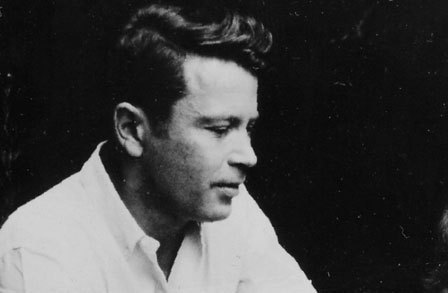
Richard Wilbur
1 Listeners
Artist Bio
Richard Wilbur: The Poet Laureate Who Made Verse Cool Again
Introduction & Current Status
Richard Wilbur, a name synonymous with poetic brilliance, remains a towering figure in American literature. Though he passed away in 2017, his work continues to resonate with readers and inspire new generations of poets. His elegant verse, masterful use of form, and insightful observations on life secure his place as a literary icon. Wilbur's translations, particularly of Molière, are still performed and studied, proving his lasting impact on both poetry and theater.
Wilbur wasn't just some dusty academic; he made poetry feel relevant. He was a two-time Pulitzer Prize winner, a National Book Award recipient, and even served as Poet Laureate of the United States. His poems are the kind that make you stop and think, but also maybe crack a smile. He brought a certain wit and charm to the often-serious world of poetry.
His legacy extends beyond awards and accolades. Wilbur demonstrated that formal verse could be both intellectually stimulating and emotionally engaging. He proved poetry could be accessible without sacrificing depth or artistry, a lesson many contemporary poets could still learn from.
Early Life & Background
Born in New York City in 1921, Richard Wilbur's upbringing was steeped in intellectual pursuits. His father was a commercial artist, and his mother's family had a strong literary background. He spent much of his childhood in rural New Jersey, an experience that instilled in him a deep appreciation for nature, which would later become a recurring theme in his poetry.
Wilbur's early exposure to literature came from his mother, who read poetry aloud to him. He also developed a fascination with magic and illusions, a playful element that occasionally surfaces in his work. This blend of nature, literature, and a touch of whimsy formed the foundation of his unique poetic voice.
He attended Amherst College, where he began to hone his craft, but his studies were interrupted by World War II. Wilbur served in the U.S. Army, seeing combat in Europe. This experience profoundly impacted him, offering a stark contrast to his idyllic childhood and shaping his perspective on the human condition.
Career Beginnings
After the war, Wilbur returned to Amherst College and completed his degree. He then pursued graduate studies at Harvard University, where he further refined his poetic skills and began publishing his work in literary journals. His early poems displayed a mastery of form and a keen eye for detail, quickly establishing him as a promising new voice in American poetry.
His first collection of poems, *The Beautiful Changes, and Other Poems* (1947), was met with critical acclaim. The collection showcased his ability to blend traditional poetic forms with contemporary themes, addressing both the beauty and the complexities of modern life. This debut marked the arrival of a major talent.
Wilbur's career gained momentum through teaching positions at Harvard, Wellesley, and Wesleyan University. These roles allowed him to share his passion for poetry with students while continuing to develop his own work. He established himself not only as a poet but also as an influential educator, shaping the next generation of literary minds.
Major Albums & Discography
While Wilbur didn't release traditional music albums, his collections of poetry function similarly, showcasing his artistic development and thematic concerns. *Ceremony, and Other Poems* (1950) solidified his reputation as a major poet, winning him the National Book Award. The poems in this collection explored themes of order and chaos, art and nature, and the search for meaning in a post-war world.
*Things of This World* (1956) earned Wilbur his first Pulitzer Prize. This collection is characterized by its precise language, vivid imagery, and profound reflections on everyday experiences. Wilbur’s ability to find beauty and significance in the mundane is on full display.
Later collections such as *Walking to Sleep: New Poems and Translations* (1969) and *New and Collected Poems* (1988), which also won him a Pulitzer Prize, demonstrated a continued evolution in his style and subject matter. He experimented with looser forms while maintaining his commitment to clarity and precision. His translations, especially those of French playwright Molière, became equally celebrated, showcasing his versatility and linguistic skill.
Hit Songs & Signature Tracks
Although Wilbur was a poet, not a musician, certain poems stand out as his "signature tracks," achieving widespread recognition and enduring popularity. "The Writer," a poem about his daughter typing, beautifully captures the struggles and triumphs of the creative process. Its relatable theme resonates deeply with artists of all kinds.
"Love Calls Us to the Things of This World" is another iconic Wilbur poem. It explores the tension between spiritual longing and the demands of everyday life, showcasing his ability to grapple with complex emotions in a clear and accessible way. Its opening lines are particularly memorable and often quoted.
"A Baroque Wall-Fountain in the Villa Sciarra" exemplifies Wilbur’s skill in capturing the beauty and transience of the natural world. Through vivid imagery and precise language, he transforms a simple fountain into a symbol of life's fleeting nature. These works, and others, cemented Wilbur's place in the canon of American literature.
Collaborations & Features
While Wilbur primarily worked as a solo artist, his collaborations extended to the realm of translation. His translations of Molière's plays, including *The Misanthrope* and *Tartuffe*, are considered definitive versions, praised for their accuracy, wit, and theatricality. These translations have been performed on stages around the world, introducing Molière's genius to new audiences.
He also collaborated with Leonard Bernstein on a new version of Candide. Although the original production was not initially successful, later productions, including the 1982 Broadway revival, were critical successes. Wilbur's sophisticated lyrics added depth and wit to Bernstein's music.
These collaborations demonstrate Wilbur's willingness to engage with other art forms and his ability to bring his poetic sensibility to diverse creative projects. They showcase his versatility and his commitment to making art accessible and engaging.
Awards & Achievements
Richard Wilbur's career was marked by numerous awards and accolades, solidifying his position as one of America's most celebrated poets. He received two Pulitzer Prizes for Poetry, one for *Things of This World* (1957) and another for *New and Collected Poems* (1989). These prestigious awards recognized his exceptional talent and his significant contribution to American literature.
In addition to the Pulitzer Prizes, Wilbur was awarded the National Book Award for *Ceremony, and Other Poems* (1951). He also served as Poet Laureate of the United States from 1987 to 1988, a testament to his national importance as a literary figure. His selection as Poet Laureate further amplified his voice and influence.
Wilbur received the National Medal of Arts in 1994, recognizing his lifetime achievement and his profound impact on American culture. His numerous honorary degrees and fellowships further underscore his enduring legacy as a poet, translator, and educator. He's low-key iconic.
Personal Life
Richard Wilbur married Charlotte Ward in 1942, and their marriage lasted for over 70 years until her death in 2012. They had four children together. Wilbur was known for his quiet demeanor and his dedication to his craft. He lived a relatively private life, preferring to let his work speak for itself. He was a man of letters through and through.
Outside of his writing, Wilbur was known for his love of nature and his commitment to environmental conservation. These values are reflected in his poetry, which often celebrates the beauty and fragility of the natural world. He was a true intellectual in every sense of the word.
Musical Style & Influence
While Richard Wilbur's primary medium was poetry, his work possesses a distinct musicality. His mastery of traditional poetic forms, such as sonnets and villanelles, creates a rhythmic and melodic effect. His use of rhyme and meter adds to the musical quality of his verse, making it a pleasure to read aloud.
Wilbur's work is influenced by a wide range of poets, including W.H. Auden, Robert Frost, and Wallace Stevens. He drew inspiration from both classical and contemporary sources, blending tradition with innovation. He, in turn, has influenced countless poets, inspiring them to embrace form and precision while exploring contemporary themes.
His legacy extends beyond the realm of poetry. Wilbur demonstrated that intellectual rigor and artistic expression could coexist. He showed that formal verse could be both beautiful and meaningful, challenging the notion that poetry must be obscure or inaccessible. His work continues to resonate with readers and inspire artists across disciplines.
Recent Work & What's Next
Although Richard Wilbur passed away in 2017, his work continues to be celebrated and studied. New editions of his poems are still being published, and his translations are frequently performed. His legacy as one of America's greatest poets remains secure.
There are no new works forthcoming, naturally, but his existing body of work ensures his continued presence in the literary landscape. His poems will continue to be read, analyzed, and enjoyed for generations to come.
Popular Albums
Popular Songs
| Track Number | Song | Release Date | Album |
|---|---|---|---|
| 01 | Shame | N/A | In Their Own Voices: A Century of Recorded Poetry |
| 02 | Love Calls Us to the Things of This World | N/A | In Their Own Voices: A Century of Recorded Poetry |
| 03 | Apology | N/A | In Their Own Voices: A Century of Recorded Poetry |
Reviews
Comments
Questions & Answers
Music Awards
0 Total
No Music Awards Found