Introduction & Current Status
Rich Kids On LSD (RKL) might not be topping the charts today, but their influence on skate punk and hardcore music remains undeniable. Emerging from the fertile California punk scene in the early 80s, RKL carved out a niche with their blistering speed, satirical lyrics, and sheer adolescent energy. They're the kind of band that inspires tattoos and fervent debates about their best album. Despite lineup changes and the tragic loss of frontman Jason Sears, RKL's music continues to resonate with fans old and new.
Their legacy extends beyond record sales; it's about the raw, unfiltered spirit they injected into a genre often accused of taking itself too seriously. They're a reminder that punk can be both fast and funny, serious and self-deprecating. In a world of carefully curated online personas, RKL's authenticity feels more vital than ever. The band's music is still discovered by new listeners, ensuring their place in punk rock history.
Early Life & Background
Originating from Oxnard, California, RKL's members grew up immersed in the burgeoning skate culture of the 1980s. Skateboarding wasn't just a hobby; it was a lifestyle that shaped their worldview and, ultimately, their music. The Southern California scene was a melting pot of influences, from the raw aggression of Black Flag to the melodicism of the Descendents.
Jason Sears, the band's charismatic vocalist, brought a unique blend of humor and intensity to the group. His lyrics often skewered suburban life and societal hypocrisy, delivered with a sneering wit that became RKL's trademark. The other members, equally committed to the cause, honed their skills in local garages and backyard skate ramps, fueled by cheap beer and youthful rebellion.
Their environment played a crucial role in shaping their sound. Oxnard wasn't exactly a glamorous music mecca, but it fostered a DIY ethos that allowed RKL to develop their own distinct style. They weren't trying to be anyone else; they were just being themselves, loud and unapologetically. The band drew influence from bands like Dead Kennedys and Bad Brains.
Career Beginnings
RKL's early days were a blur of DIY shows, chaotic house parties, and relentless touring. They quickly gained a reputation for their high-energy performances and Jason Sears's unpredictable stage antics. Word of mouth spread like wildfire through the skate and punk communities, and soon they were opening for bigger acts and gaining a wider audience.
Their first recordings were raw and unpolished, capturing the band's untamed energy. These early releases helped them build a loyal following and attracted the attention of independent labels. It wasn't long before they signed a deal and began working on their first full-length album. The band's early work was characterized by raw energy.
One of the key figures in RKL's early success was their manager, who saw the band's potential and helped them navigate the often-treacherous waters of the music industry. He booked them shows, secured press coverage, and generally kept them on track. Without his guidance, RKL's path to success might have been much more difficult.
Major Albums & Discography
RKL's discography is a testament to their evolution as a band. Their debut album, "Keep Laughing," released in 1985, is a classic of skate punk, showcasing their signature blend of speed, humor, and social commentary. Tracks like "Pothead" and "Ded Teds" became instant anthems for a generation of disaffected youth. The album perfectly encapsulated the band's youthful energy.
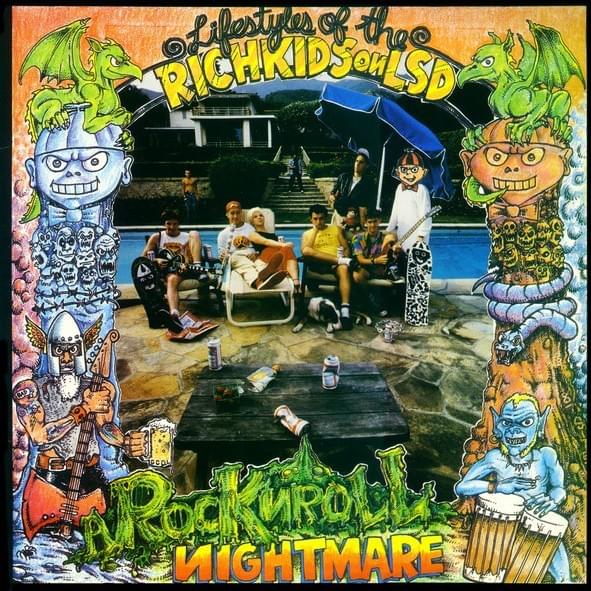
Their follow-up, "Rock 'n Roll Nightmare," released in 1987, saw the band experimenting with a slightly more polished sound, while still retaining their trademark aggression. The album received positive reviews and further solidified their reputation as one of the leading bands in the skate punk scene. The band's evolution was apparent on this release.
Later albums continued to explore different sonic territories, with the band incorporating elements of metal and hardcore into their sound. While some fans preferred their earlier, more straightforward punk style, others appreciated their willingness to experiment and push boundaries. The band's discography is a diverse and rewarding journey for any fan of punk rock.
Hit Songs & Signature Tracks
While RKL might not have had mainstream radio hits, they had plenty of underground anthems that resonated deeply with their fans. "Pothead," from their debut album, is perhaps their most well-known song, a tongue-in-cheek ode to marijuana that became a staple of skate videos and punk rock mixtapes. The song's catchy chorus and irreverent lyrics made it an instant classic. It remains a fan favorite to this day.
"Ded Teds," another track from "Keep Laughing," is a blistering hardcore number that showcases the band's speed and aggression. The song's frantic pace and Jason Sears's snarling vocals made it a live favorite. It's a perfect example of RKL's ability to combine humor and intensity in their music.
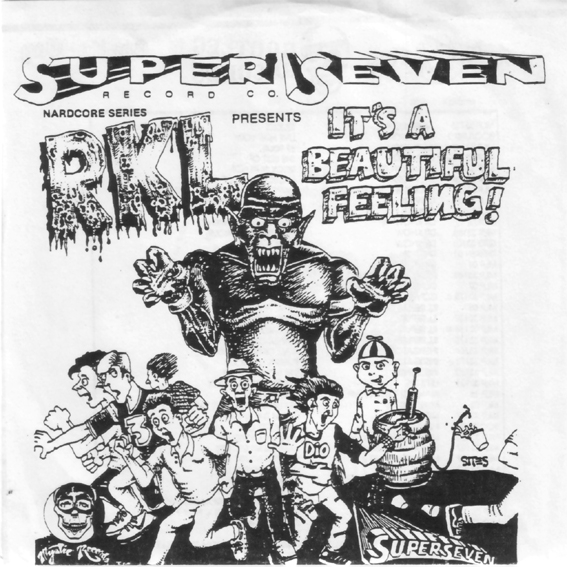
Other signature tracks include "Think Positive" and "Beautiful Feeling," both of which showcase the band's melodic sensibilities and their ability to write songs that are both catchy and meaningful. These songs demonstrate the band's versatility and their ability to appeal to a wide range of listeners. These tracks helped cement RKL's legacy in the punk scene.
Collaborations & Features
While RKL primarily focused on their own music, they did occasionally collaborate with other artists and appear on compilation albums. These collaborations allowed them to reach new audiences and showcase their versatility. The band's willingness to work with other artists demonstrated their commitment to the punk rock community.
They were featured on several influential skate punk compilations, alongside bands like NOFX and Lagwagon. These compilations helped to expose RKL to a wider audience and solidify their place in the skate punk scene. The band's inclusion on these compilations was a testament to their influence and popularity.
RKL's collaborations were always organic and authentic, reflecting their genuine love of music and their desire to connect with other artists. These collaborations helped to broaden their musical horizons and solidify their legacy as one of the most important bands in skate punk history.
Awards & Achievements
While RKL never won any major awards, their achievements are measured in the impact they had on the punk rock scene and the loyalty of their fans. They were instrumental in shaping the sound of skate punk and influencing countless bands that followed in their wake. Their music continues to inspire and energize listeners around the world.
Their albums have become cult classics, and their songs are still played on punk rock radio stations and in skate videos. They may not have achieved mainstream success, but they achieved something far more important: they created a body of work that is both timeless and influential. The band's legacy is secure.
RKL's greatest achievement was their ability to connect with their fans on a personal level. Their music spoke to the frustrations and aspirations of a generation of disaffected youth, and their live shows were legendary for their energy and intensity. They were more than just a band; they were a community.
Personal Life
Jason Sears, RKL's charismatic frontman, struggled with addiction throughout his life. His struggles were well-documented and ultimately contributed to his untimely death in 2006. His passing was a great loss to the punk rock community, but his music continues to inspire and uplift.
The other members of RKL have remained active in the music scene, playing in various bands and continuing to tour and record. They are committed to preserving RKL's legacy and ensuring that their music continues to reach new audiences. The band's enduring appeal is a testament to their talent and dedication.
Musical Style & Influence
RKL's musical style is a unique blend of hardcore punk, skate rock, and thrash metal. They combined blistering speed with catchy melodies and satirical lyrics, creating a sound that was both aggressive and accessible. Their influence can be heard in countless bands that followed in their wake, from Blink-182 to Sum 41. The band's sound was truly groundbreaking.
They drew inspiration from a wide range of artists, including the Dead Kennedys, Bad Brains, and Black Flag. They took these influences and created something entirely their own, a sound that was both familiar and unique. The band's influences were diverse and eclectic.
RKL's legacy extends beyond their musical style. They were also known for their DIY ethos and their commitment to the punk rock community. They showed other bands that it was possible to succeed without compromising their artistic vision. The band's influence is undeniable.
Recent Work & What's Next
While RKL is no longer actively recording new music, their legacy continues to grow. Their albums are still being reissued, and their songs are still being discovered by new generations of fans. The band's music is as relevant today as it was when it was first released.
The remaining members of RKL occasionally reunite for tribute shows, celebrating Jason Sears's life and legacy. These shows are a testament to the enduring power of RKL's music and the loyalty of their fans. The band's music will continue to live on.
 Catch Your Breath
 Rumors
 Loneliness
 Why?
Why?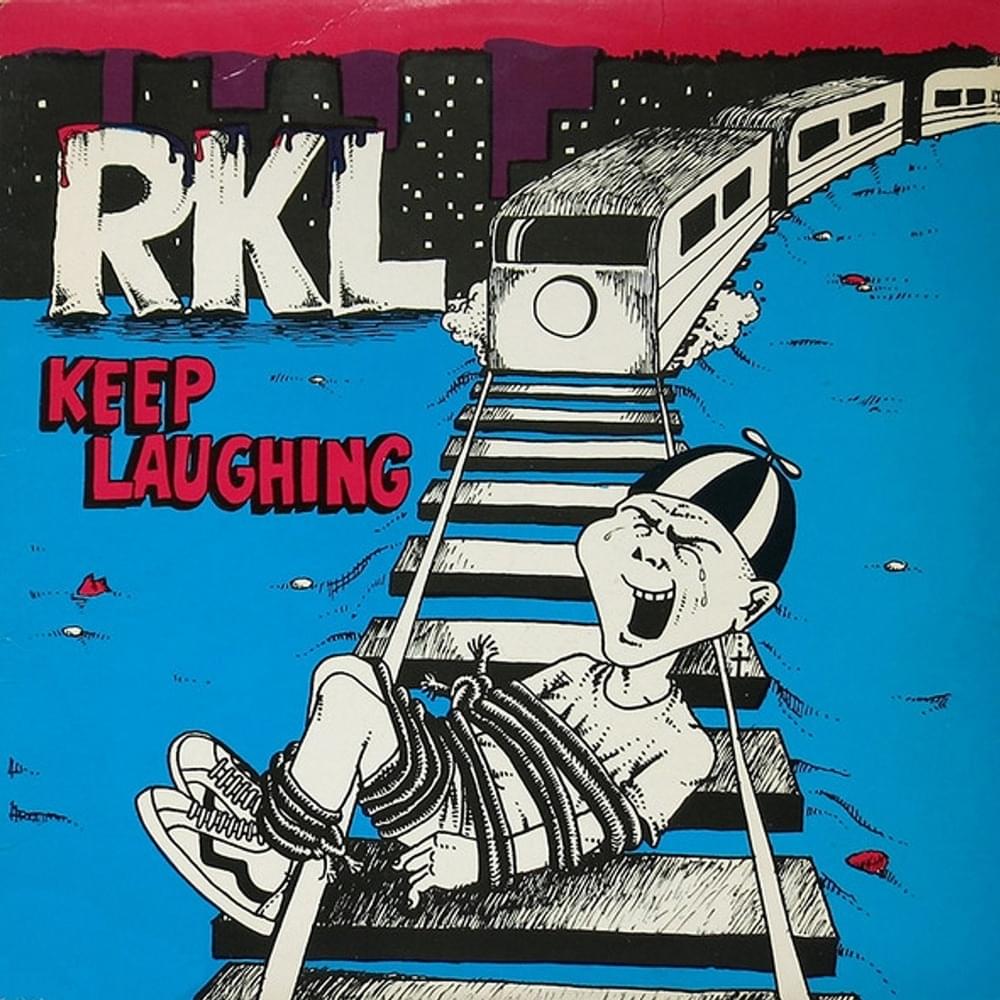 Senseless Violence