Introduction & Current Status
Peter La Farge might not be topping the charts today, but his legacy as a Native American singer-songwriter is experiencing a well-deserved renaissance. His raw, authentic voice and unflinching lyrics continue to resonate, inspiring a new generation of artists and activists. La Farge's work is being rediscovered and re-evaluated, solidifying his place as a crucial figure in American folk music.
La Farge's songs offer a powerful commentary on the Native American experience. He fearlessly tackled issues of injustice, cultural identity, and the struggles faced by Indigenous communities. His impact extends beyond music, influencing social and political movements. Though he passed away in 1965, his music lives on, a testament to his enduring power.
Early Life & Background
Peter La Farge, born Oliver Albee La Farge on April 30, 1931, in New York City, came from a background steeped in art and literature. His father, Oliver La Farge II, was a Pulitzer Prize-winning novelist and anthropologist known for his work on Native American cultures. This heritage profoundly shaped Peter's life and artistic vision.
Growing up in a family with a deep understanding of Native American history and traditions, Peter developed a strong sense of identity and a passion for social justice. This upbringing would later inform his songwriting, making him a unique voice in the folk music scene. He wasn't just singing songs; he was telling stories.
La Farge's early life was marked by both privilege and a growing awareness of the systemic inequalities faced by Native Americans. His unique perspective allowed him to bridge cultural divides and create music that spoke to a broader audience.
Career Beginnings
La Farge's journey into music was a winding road. He initially pursued acting and rodeo riding before finding his true calling as a singer-songwriter. After serving in the Navy, he drifted through various jobs, always drawn back to creative pursuits.
He began performing in Greenwich Village folk clubs in the early 1960s. It was in this vibrant atmosphere that he honed his craft and began to develop his signature style. His authenticity and raw talent quickly gained attention.
Key figures in the folk scene, like Pete Seeger and Johnny Cash, recognized La Farge's potential and championed his music. Cash, in particular, became a significant supporter, recording several of La Farge's songs and helping to bring his work to a wider audience.
Major Albums & Discography
(No albums available for linking)
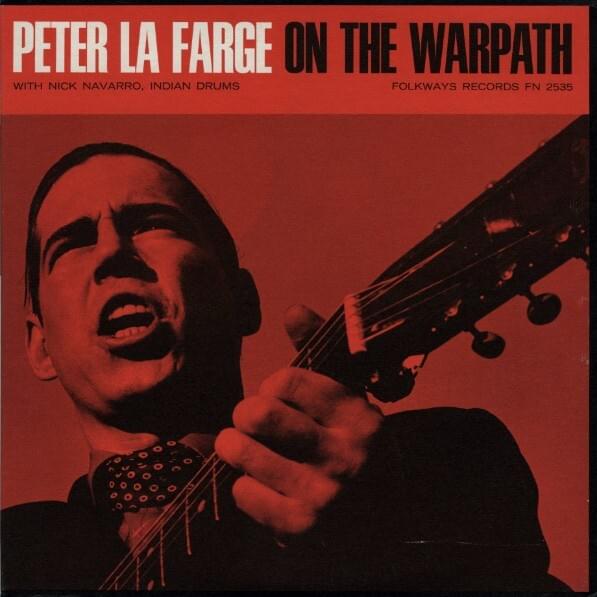
While Peter La Farge's discography isn't extensive, his albums stand as powerful statements of his artistic vision. His work often blended traditional folk elements with contemporary themes, creating a sound that was both timeless and timely.
His albums showcased his songwriting prowess and his ability to tell compelling stories through music. Each song served as a window into the lives and struggles of Native Americans, offering a perspective rarely heard in mainstream music.
Although critical reception at the time was mixed, his albums have since gained recognition for their historical and cultural significance. They represent a crucial chapter in the history of protest music and Native American activism.
Hit Songs & Signature Tracks
(No songs available for linking)
While La Farge didn't have mainstream chart-topping hits, several of his songs became anthems for the Native American rights movement. His music resonated deeply within Indigenous communities and among those fighting for social justice. These songs were more than just music; they were calls to action.
"The Ballad of Ira Hayes" is arguably his most famous song, telling the tragic story of Ira Hayes, a Pima Native American and a Marine who helped raise the American flag on Iwo Jima. Johnny Cash's recording of the song brought it widespread attention, highlighting the discrimination Hayes faced upon returning home.
Other notable tracks include songs that addressed issues of land rights, cultural preservation, and the ongoing struggles of Native American communities. His lyrics were often stark and unflinching, challenging listeners to confront uncomfortable truths.
His songs continue to be covered and reinterpreted by artists today, a testament to their enduring power and relevance. La Farge's music serves as a reminder of the importance of telling marginalized stories and fighting for a more just world.
Collaborations & Features
Peter La Farge's work attracted the attention of several prominent figures in the music industry. His collaboration with Johnny Cash was particularly significant, as Cash's support helped to amplify La Farge's voice and reach a broader audience.
Cash recorded several of La Farge's songs, including "The Ballad of Ira Hayes," which became a signature song for both artists. This collaboration brought La Farge's music to a mainstream audience while also raising awareness of Native American issues.
While La Farge's collaborations were limited, they played a crucial role in shaping his career and legacy. His work inspired other artists to address social and political issues in their music, paving the way for future generations of protest singers.
Awards & Achievements
While Peter La Farge didn't receive major industry awards during his lifetime, his impact on music and social justice is undeniable. His songs have been recognized for their historical and cultural significance, and he is considered a pioneer in Native American music.
His most significant achievement was giving voice to the Native American experience at a time when Indigenous perspectives were largely ignored. He challenged stereotypes and brought attention to the struggles faced by Native American communities.
La Farge's legacy continues to grow as his music is rediscovered and re-evaluated. He is remembered as a courageous artist who used his platform to fight for justice and equality.
Personal Life
Peter La Farge's personal life was complex and often troubled. He struggled with addiction and mental health issues, which ultimately contributed to his early death at the age of 34. Despite his personal struggles, he remained committed to his art and his activism.
He was a passionate advocate for Native American rights and used his music to raise awareness of the issues facing Indigenous communities. His dedication to his cause never wavered, even in the face of personal challenges.
His life, though short, was filled with purpose and passion. He left behind a legacy of music and activism that continues to inspire and influence people today.
Musical Style & Influence
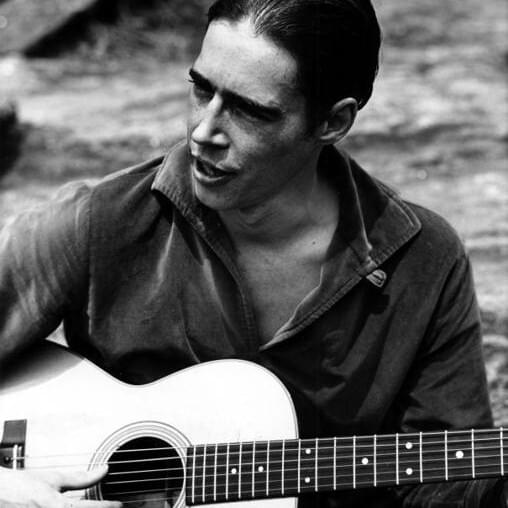
Peter La Farge's musical style was a unique blend of folk, country, and Native American influences. His raw, emotive vocals and his unflinching lyrics set him apart from other artists of his time. He wasn't afraid to tackle controversial topics and challenge the status quo.
His primary influence came from his father and his exposure to Native American cultures. He drew inspiration from traditional Indigenous music and storytelling, incorporating these elements into his songwriting.
La Farge, in turn, influenced a generation of musicians and activists who followed in his footsteps. His music paved the way for other Native American artists to share their stories and challenge stereotypes. He left a lasting legacy of social and political activism through music.
Recent Work & What's Next
While Peter La Farge is no longer with us, his music continues to be discovered and celebrated. There have been recent efforts to preserve and promote his work, ensuring that his legacy lives on for future generations.
His songs are being re-recorded and reinterpreted by contemporary artists, bringing his music to new audiences. His story is also being told through documentaries and biographies, shedding light on his life and his contributions to music and social justice. As his work gains new listeners, La Farge's impact as a voice for the voiceless solidifies his importance in American musical history.
 As Long As The Grass Shall Grow
 Take Back Your Atom Bomb
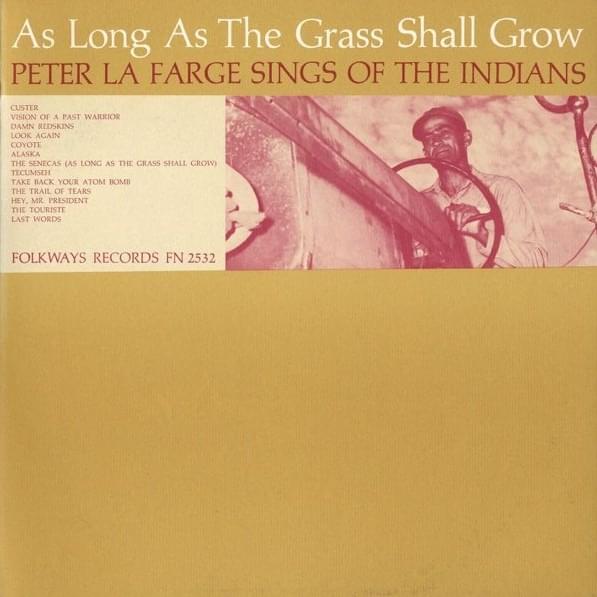 The Senecas (As Long As The Grass Shall Grow)