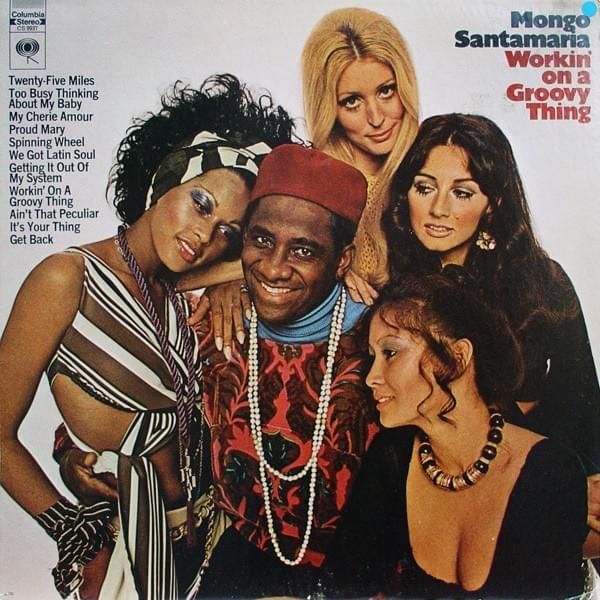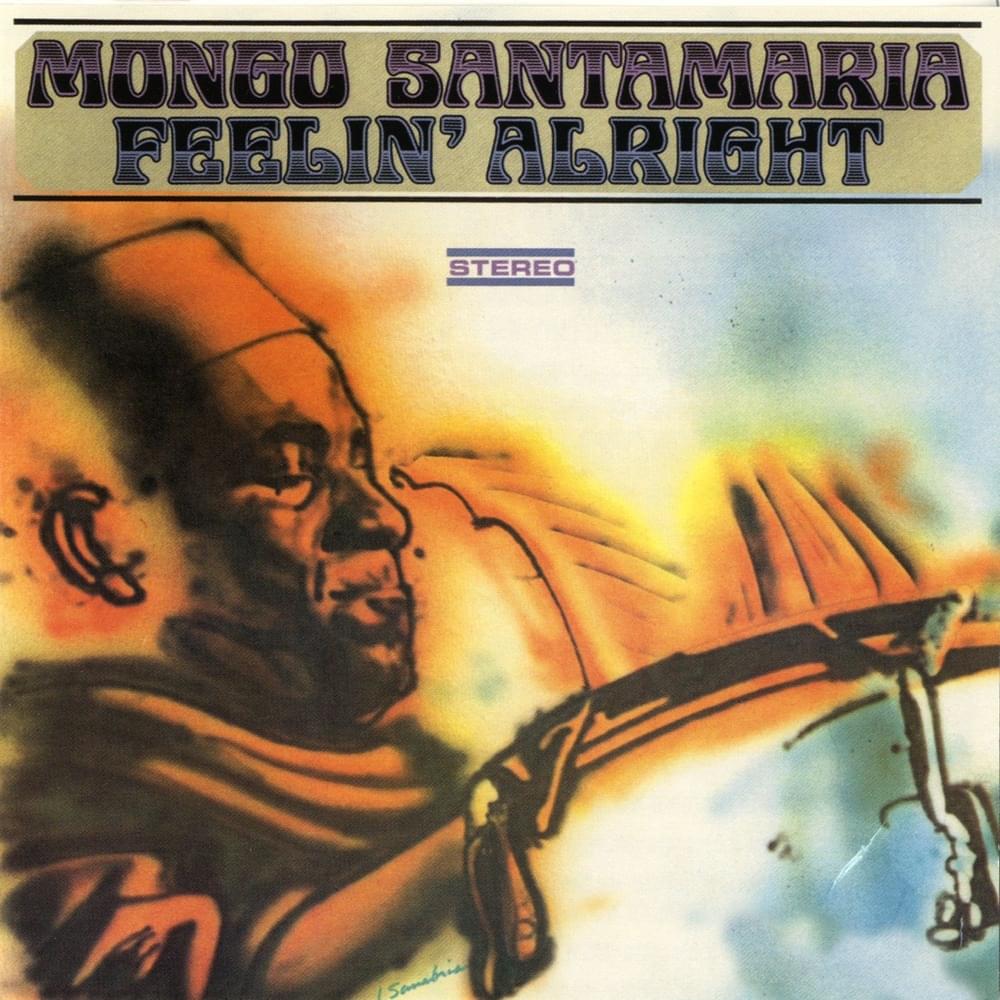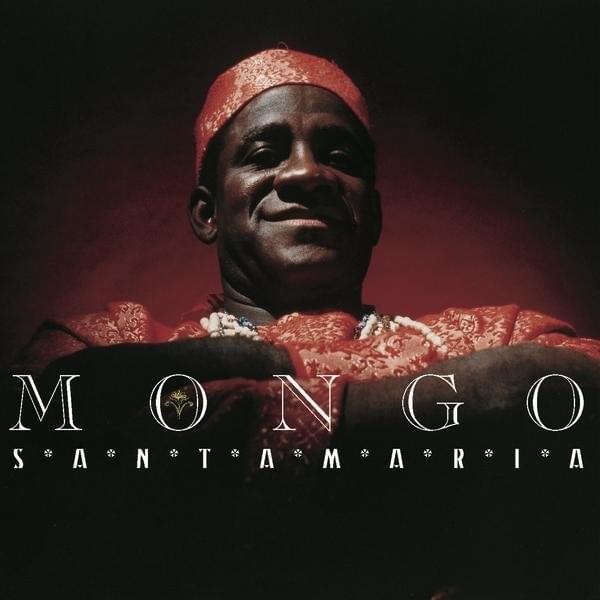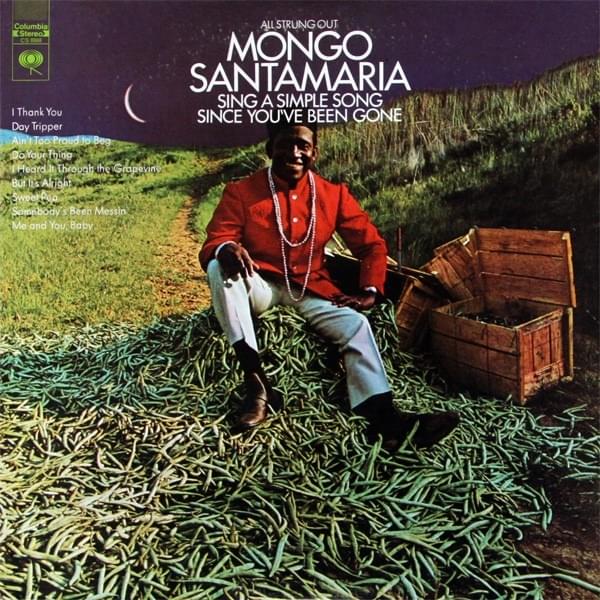
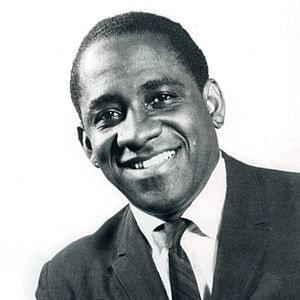
Photo of Mongo Santamaria

Mongo Santamaria

12K Listeners

Artist Bio

Ramón "Mongo" Santamaría (1917-2003) wasn't just a percussionist; he was a cultural ambassador, a musical innovator, and a force of nature who brought the infectious rhythms of Afro-Cuban music to the forefront of the American pop consciousness. Born in Havana, Cuba, Santamaría immersed himself in the rich musical tapestry of his homeland, mastering the conga drum and absorbing the influences of son, rumba, and mambo. His journey took him from the vibrant dance halls of Havana to the bustling jazz scene of New York City, where he would leave an indelible mark. Santamaría's arrival in New York in the 1950s coincided with a growing interest in Latin music, particularly within the jazz community. He quickly established himself as a sought-after percussionist, collaborating with jazz luminaries such as Dizzy Gillespie, Charlie Parker, and Tito Puente. These early collaborations helped to fuse Afro-Cuban rhythms with jazz harmonies, creating a vibrant and exciting new sound. However, it was his own leadership and vision that truly propelled him to stardom. In the 1960s, Santamaría formed his own band, showcasing his virtuosity on the congas and his ability to blend Latin rhythms with popular music styles. This fusion is evident in his energetic rendition of I Got You (I Feel Good), proving that his musical talent could transcend genres. He had a knack for taking popular songs and reinterpreting them through his unique Afro-Cuban lens, breathing new life into familiar melodies. Consider his version of Sitting on the Dock of the Bay, which is a testament to his innovative approach. Santamaría’s impact extended beyond the jazz world. His music resonated with a broader audience, appealing to fans of pop, soul, and funk. He possessed a rare ability to connect with people through his music, transcending cultural and linguistic barriers. He wasn't afraid to experiment, incorporating elements of rock and soul into his sound, as heard in his take on The Rolling Stones classic (I Can't Get No) Satisfaction. The infectious groove of Shotgun is another example of his ability to move effortlessly between musical styles. Mongo Santamaria's legacy is one of innovation, collaboration, and cultural exchange. He was a pioneer who helped to popularize Afro-Cuban music in the United States and around the world. His music continues to inspire and uplift, reminding us of the power of rhythm and the unifying force of music. Even a ballad like When Did You Stop Loving Me, When Did I Stop Loving You showcases his versatility and his ability to connect with audiences on an emotional level. Mongo Santamaria was more than just a musician; he was a cultural icon.

Popular Albums

Popular Songs

Reviews

Comments

Questions & Answers

Music Awards

0 Total

No Music Awards Found